Tooth pain that appears suddenly can stop you in your tracks. You could be eating lunch, enjoying time outside, or planning a spring event when that sharp jolt shows up out of nowhere. In cases like this, there's a good chance the problem runs deeper than a simple cavity.
An emergency root canal is sometimes the best way to stop that pain and save a tooth that's become infected or badly damaged. It might sound scary if you've never needed one before, but understanding each step can make it feel a bit easier. If you're searching for help with an emergency root canal in Houston, TX, it likely means you're trying to manage discomfort and get back to your normal routine as soon as possible. We're here to walk you through what to expect and how this kind of treatment works.
What Makes a Root Canal an Emergency
Tooth pain doesn't always mean you need treatment immediately, but some signs let us know it's time to act quickly. If any of these show up, they should be taken seriously:
- Sudden, sharp pain that doesn't go away
- Swelling around your gums or cheek
- A tooth that's very sensitive to hot or cold
- Pain that gets worse when you lie down or chew
- A dark or discolored tooth that feels different
These symptoms can point to an infection inside the tooth. If left alone, it can spread or grow worse, making treatment harder down the road. Taking quick action helps relieve pain sooner and gives us a better chance of saving the tooth.
In a busy place like Houston, Texas, where spring often means outdoor plans, family events, or travel, unexpected dental pain can throw off your schedule. Getting relief sooner not only feels better, it keeps those spring days running smoothly.
Palm Center Dental offers emergency root canal treatments using digital X-rays and modern imaging to assess the affected area quickly and thoroughly, so you get the most accurate care from the start.
What Happens During the Appointment
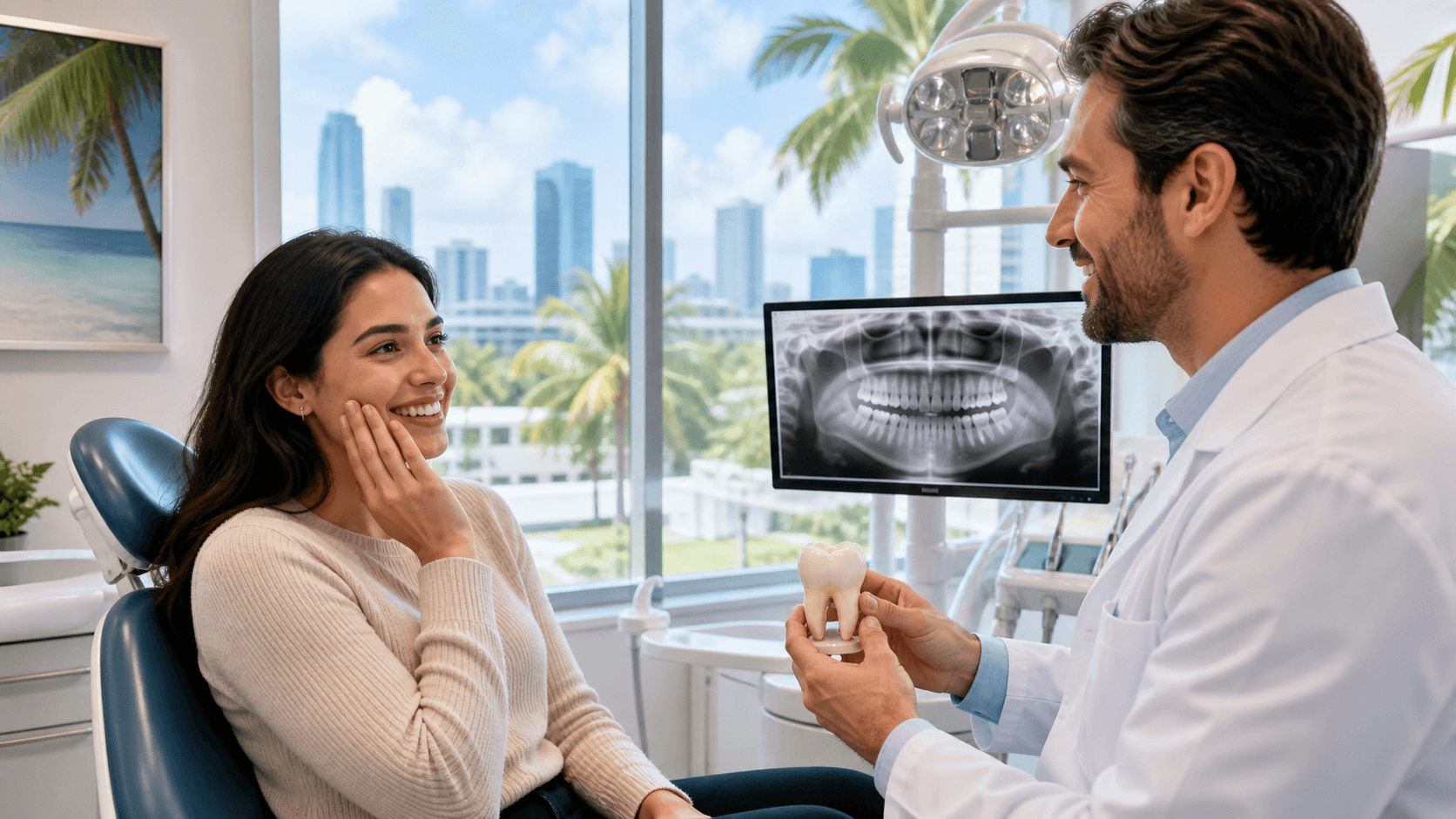
When you come in for an emergency visit, our first step is to figure out where the pain is coming from and what part of the tooth is affected. We typically do an exam, sometimes using X-rays, to look inside and around the tooth.
From there:
- We check for signs of infection or damage
- We test how the tooth responds to pressure or temperature
- We help explain what's going on using simple terms that make sense
If a root canal is needed, we'll explain the process before getting started. That way, you'll know exactly what's coming next. Numbing medicine is used to make sure the area feels comfortable, and we're always checking in to see how you're doing. Patients often say the hardest part was waiting too long, not the actual procedure itself.
How the Root Canal Actually Works
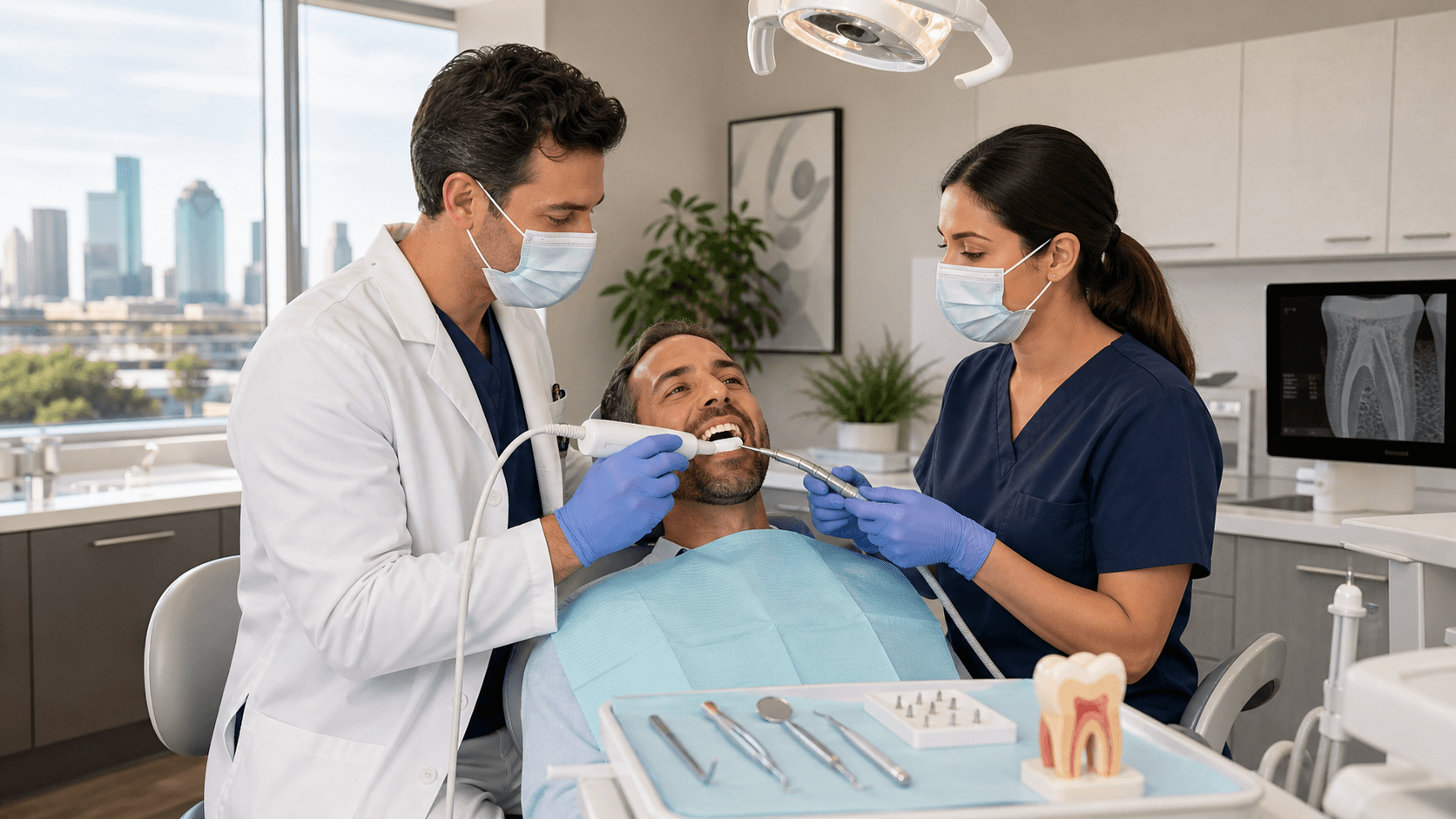
So what does a root canal do, exactly? It removes infection from the inside of the tooth, then seals it up to keep it protected. Here's how it typically works:
- We start by numbing the area around the tooth to prevent any pain.
- A small opening is made in the crown of the tooth to reach the infected inside.
- The infected pulp is carefully removed, and the canal space is cleaned out.
- Once cleaned, we shape the space inside and fill it with a safe, soft material.
- The tooth is sealed, and in most cases, covered with a temporary or permanent crown.
The goal is to preserve your natural tooth and take the pressure off the nerve. Many people are surprised by how much better they feel just hours after treatment. Depending on the situation, everything could be done in one visit, or we may need to place a crown later to give the tooth full strength again.
Palm Center Dental uses advanced techniques and sedation options for anxious patients, ensuring root canal care is efficient and as stress-free as possible.
Healing and What to Expect Afterward
Most people feel relief pretty quickly once the tooth is treated, though that area might feel tender for a few days. It's a part of healing and usually gets better with rest and care. You'll want to treat the area gently while it heals.
Some simple post-care tips include:
- Stick to soft foods for a day or two
- Try to chew on the other side of your mouth
- Brush and floss carefully, but don't skip either
- Use a mild saltwater rinse to keep the area clean (if we recommend it)
- Avoid anything too chewy or crunchy right after treatment
Many people go back to regular activities the same day or the day after. If anything feels off, swollen, or uncomfortable after a few days, it's always a good idea to check back with us. Follow-ups help us make sure everything is healing the way it should.
Why Prompt Care Protects Your Smile
Painful teeth aren't fun to deal with, but taking care of it early means less stress and a better chance of keeping the tooth in the long run. A properly done emergency root canal in Houston, TX can take away pain and clear up infection before it spreads. And when it's done quickly, it often means a faster recovery and fewer visits overall.
Spring can be a busy time filled with family plans, school events, and outdoor fun. Don't let tooth pain get in your way. By taking action early, you can protect your smile, enjoy those warm days ahead, and move forward without the constant distraction of pain. Getting help when something feels wrong is one of the simplest ways to keep your smile, and your schedule, right on track.
Sudden tooth pain or lingering symptoms can be stressful, but timely care is necessary for your health and peace of mind. We're dedicated to helping you feel better fast and protecting your smile before the issue becomes more serious. When you need an emergency root canal in Houston, TX, our team at Palm Center Dental will guide you through every step, making the process as comfortable as possible. Give us a call today to schedule your visit and get back to your routine confidently.