Enjoy Fall with a Strong, Confident Smile Again
A healthy, stable smile matters all year, but it feels extra important in fall. There are school events, Friday night football games, fall festivals, and those big holiday photos coming up. If you have dental implants, this is a time when you really want them to look and feel their best.
Dental implants are designed to act like natural teeth. A small post in the jaw holds a connector piece and a custom crown, so you can chew, smile, and speak with confidence. When everything is healthy, you should almost forget the implant is even there.
Sometimes, though, the crown, abutment, or bone around an implant can weaken or wear down. Dental implant restoration in Houston, TX, focuses on fixing those issues so you can keep the benefits of your original treatment. When we catch small problems early, we can often protect your comfort, your appearance, and your long-term smile.
Subtle Changes That Suggest Your Implant Needs Help
Most trouble with implants does not start with sharp pain. It often begins with tiny changes that are easy to brush off, especially during a busy fall schedule filled with school drop-offs and weekend plans. Paying attention to these early signs can help you avoid bigger problems later.
Watch for:
- Mild but steady soreness around your implant
- Tenderness when you chew on that side
- A feeling that your teeth do not fit together like they used to
These symptoms can point to an issue with your implant crown or with the way your bite has shifted over time. Even a small change in alignment can put extra stress on the implant and the teeth next to it.
You might also notice visible changes, such as:
- Tiny chips or hairline cracks in the crown
- A dark line at the gumline that was not there before
- Gums that look slightly puffy or more red around the implant
These signs may relate to wear on the crown, a problem with the abutment under the crown, or early bone and gum changes around the implant post. None of these should be ignored. When we see you quickly, we can check what is going on and help before it turns into a painful emergency.
Pain, Looseness, and Other Urgent Red Flags
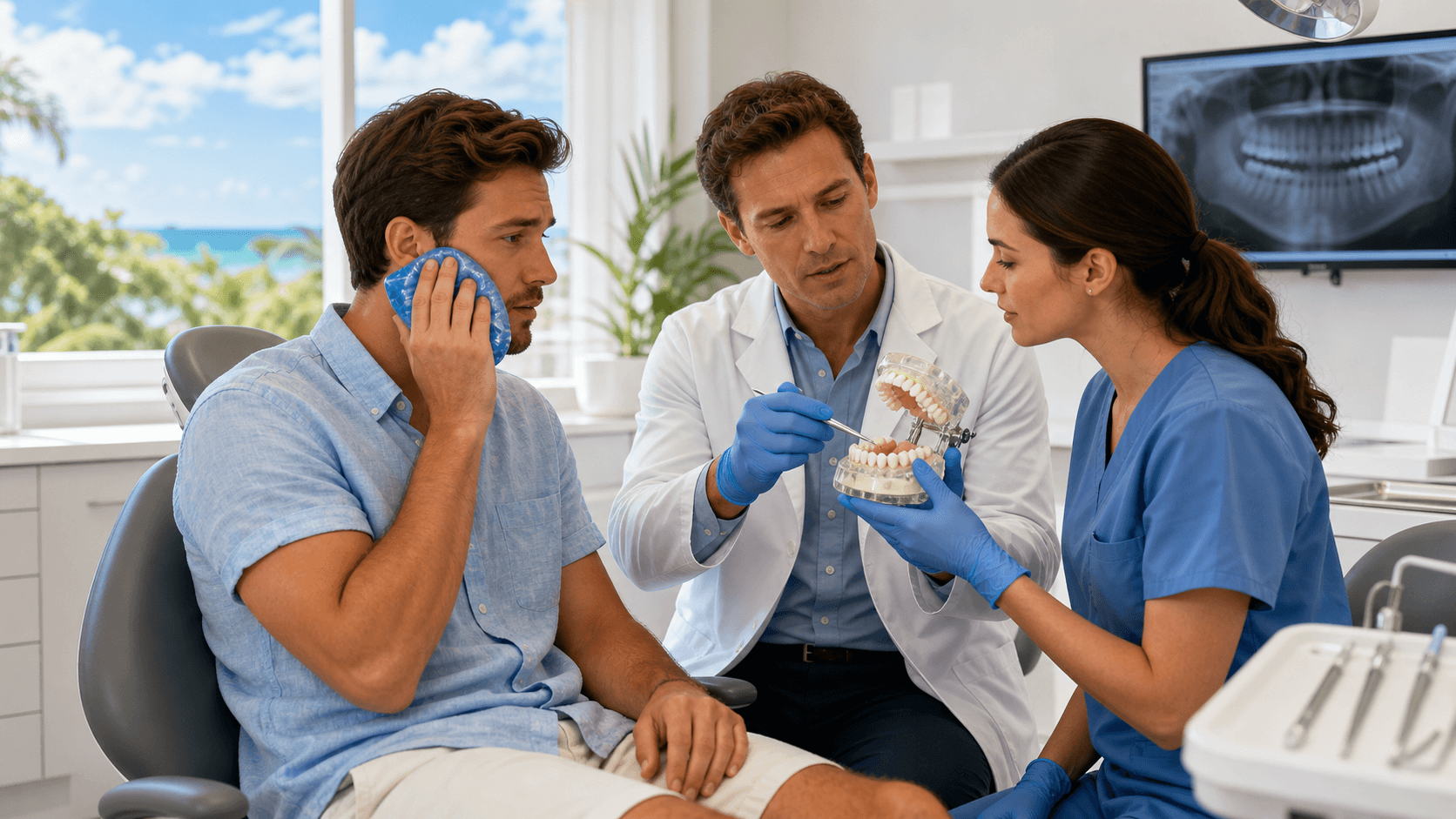
Some symptoms are your mouth's way of saying "This cannot wait." If you feel throbbing or sharp pain around your implant, that is a clear signal something is wrong. Pain that wakes you up, makes it hard to chew, or lingers after you take pain medicine needs a prompt check.
Other serious warning signs include:
- A loose or wiggly implant crown
- A sensation that the tooth moves when you bite down
- A crown that suddenly feels higher or lower than your other teeth
The implant itself is anchored in bone, so it should not move. If it feels loose, the problem could be with the crown, the abutment, or the implant post. Any of these need professional care as soon as possible.
Gum changes are also important to notice. Watch for:
- Swelling, warmth, or tenderness in the gums around the implant
- Bleeding when you brush that area lightly
- Gum recession that makes the implant look longer
- Any drainage or pus
These can be signs of an infection around the implant, called peri-implantitis. If left alone, this infection can damage the bone and threaten the long-term success of the implant.
It can be hard to know what is normal after treatment. Mild soreness right after you first get an implant is expected, and it usually fades as you heal. But strong pain, new looseness, or gum problems that appear months or years later are not normal and should not be ignored.
How Implant Restoration Protects Your Smile Investment
When you visit for dental implant restoration in Houston, TX, our first step is to understand what is going on. We look at:
- The implant post in the jaw
- The bone and gum tissue around it
- The abutment that connects the post and crown
- The crown itself and how it fits your bite
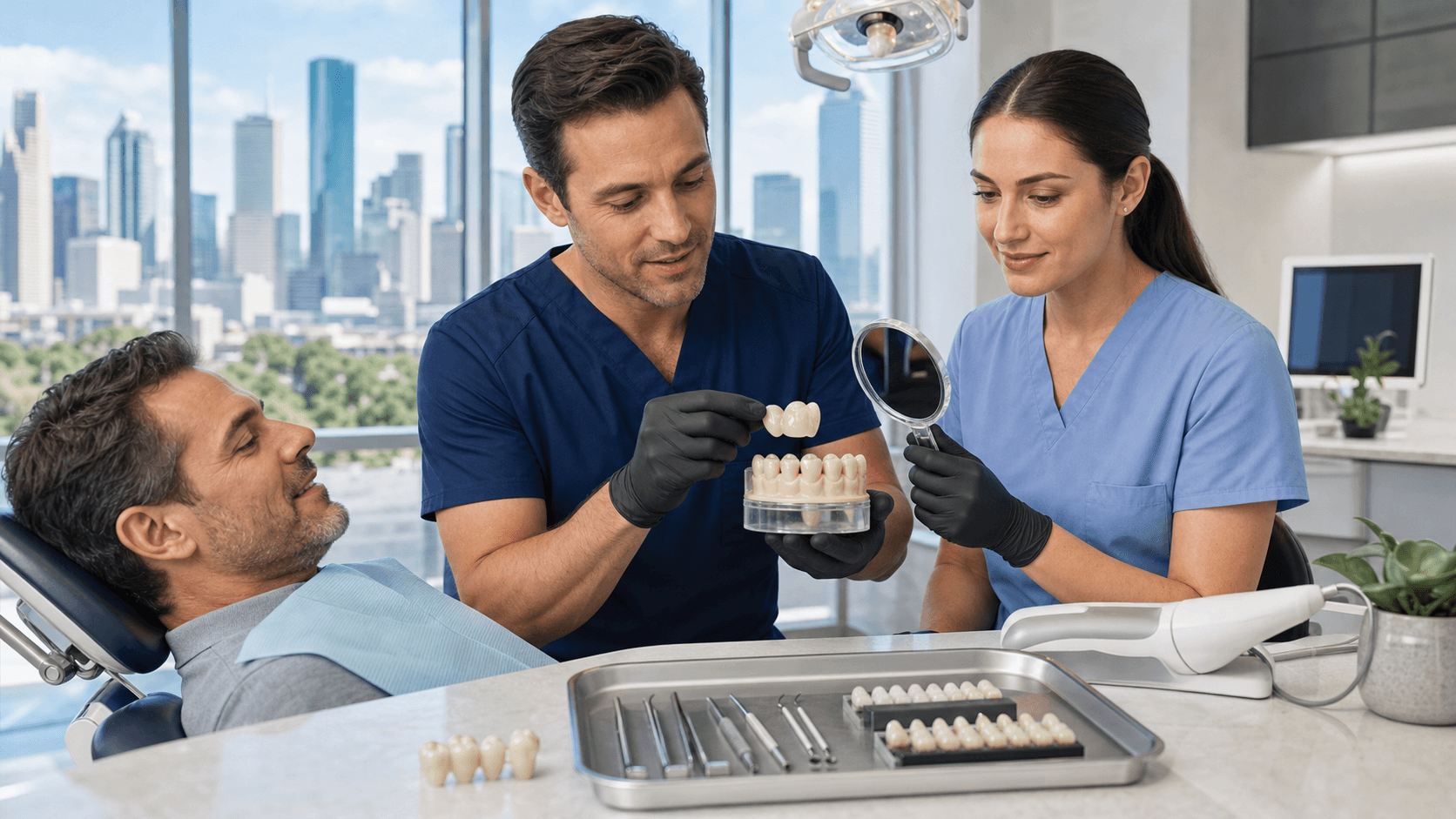
In some cases, only the crown needs to be repaired or replaced. Maybe it is worn, chipped, or no longer matches your other teeth. In other cases, the bite may need to be adjusted so you are not putting too much pressure on one implant.
Common solutions can include:
- Replacing a broken or worn crown with a new, natural-looking one
- Smoothing or reshaping areas that are throwing your bite off
- Cleaning and treating infected gum tissue around the implant
- Planning extra support if the bone or implant needs help
Taking care of these problems early can often save the original implant, protect nearby teeth, and prevent more involved treatment later. This is especially helpful before the holiday season, when schedules get tight and there are more sugary treats around.
We know many people feel nervous about dental work. Modern imaging and gentle techniques help us keep you comfortable. Our goal is always to keep as much healthy structure as we can, while restoring your smile so it looks and feels natural.
Why Houston Patients Trust Palm Center Dental for Implant Repair
Dental implant restoration calls for a careful eye and a big-picture view of your whole smile. Dr. Ayomide Ogunye has experience in general, cosmetic, and restorative dentistry, which helps us look at every part of your mouth, not just the single tooth that hurts. This broad approach is especially helpful when we need to balance comfort, chewing strength, and appearance.
At our practice, we take a patient-centered approach. That means we:
- Explain what we see in simple, clear language
- Listen to your concerns and goals
- Offer options when possible and talk through the pros and cons
- Move at a pace that feels comfortable for you
Because we are a family dental office, we can also support the rest of your oral health in the same place. Along with implant repair, we provide routine cleanings, crowns, veneers, and emergency care, so your records and history stay under one roof. This makes it easier to keep an eye on restored implants over time.
Ongoing checkups and professional cleanings help us spot any new changes early, especially as we head into the candy-heavy months at the end of the year. With regular visits and good home care, many patients enjoy strong, confident smiles with their implants for a very long time.
Schedule Your Implant Checkup Before the Holidays
As fall activities pick up in Houston, it is a good time to ask yourself how your dental implants feel. If you notice discomfort, looseness, changes in your bite, or cosmetic issues like chips and dark lines at the gums, do not wait for things to get worse. A careful evaluation can give you peace of mind and a clear plan.
For many people, this season is also when dental benefits or flexible spending funds are still available. Using those before they expire can be a smart way to take care of needed dental implant restoration in Houston, TX, so your smile is ready for school events, holiday parties, and family photos. At Palm Center Dental, we are here to help you keep your implants working well so you can enjoy every moment with a strong, confident smile.
Restore Your Confident Smile With Expert Implant Care
If you are ready to enjoy a complete, comfortable smile again, we are here to help. Our team at Palm Center Dental provides personalized dental implant restoration in Houston, TX so your teeth look, feel, and function naturally. To schedule an appointment or ask questions about your treatment options, simply contact us and we will guide you through the next steps.