Sudden tooth problems can happen any time, and they rarely wait for a good moment. Maybe you bite into something and feel a sharp crack, or you wake up with a pain that won't let you focus on anything else. When that happens, it's helpful to know if it's something that needs help fast or something that can wait until later.
Visiting an emergency dentist in Houston, TX can ease pain quickly and stop things from getting worse. Not every dental issue is urgent, though, so knowing when to call right away can help you avoid bigger problems while keeping stress low. Spring in Houston can be full of activities and plans, so it's good to be clear on where that line is if something unexpected comes up.
Signs You Might Need Emergency Dental Care
Sometimes, a dental issue speaks loud and clear. Other times, it's more of a slow discomfort that keeps hanging on. Here are a few signs that usually point to something needing attention sooner rather than later:
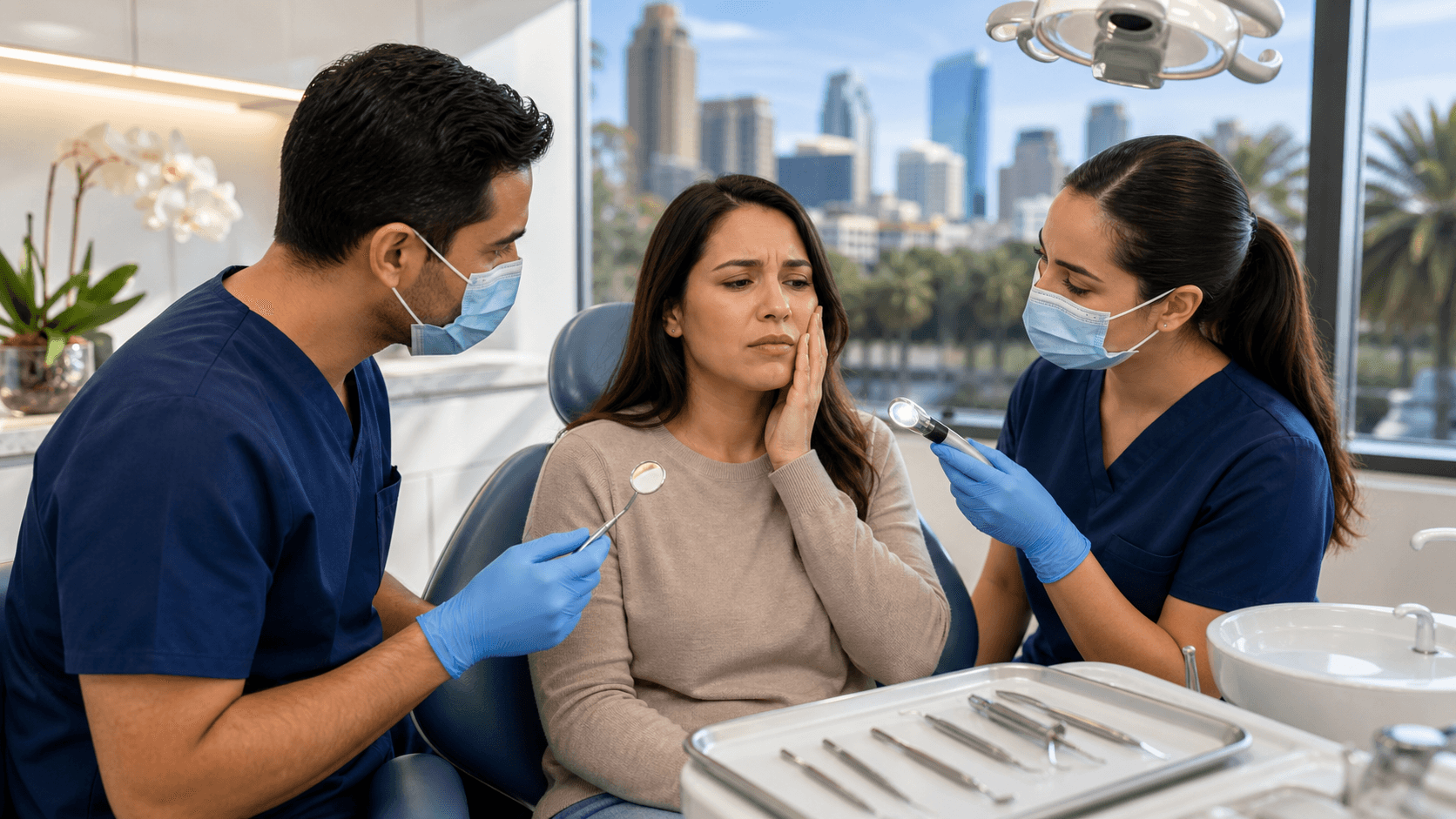
- Constant, severe tooth pain that doesn't go away with basic pain relief
- A tooth that's cracked, broken, or knocked out from an accident
- Swelling in your gums, cheek, or jaw, especially if it's getting worse quickly
Pain that keeps you from eating, sleeping, or concentrating is a good reason to call. So is any kind of swelling that spreads or feels warm. You don't have to wait until it's unbearable. In fact, catching it early often means a faster and easier fix.
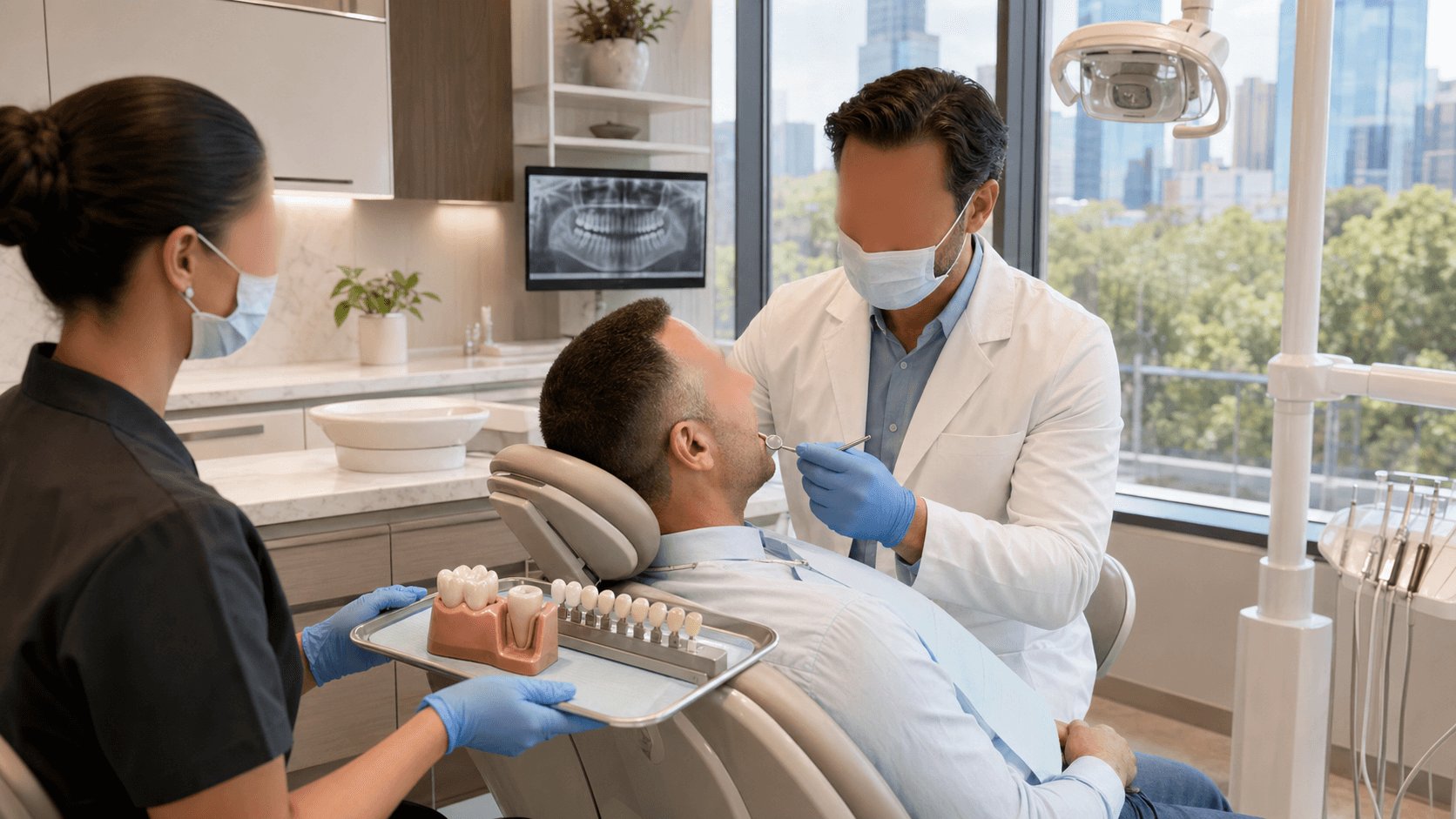
Palm Center Dental offers same-day appointments for emergency dental needs, using digital X-rays and modern diagnostics to quickly assess the problem and provide immediate relief for tooth pain, swelling, or trauma.
Common Dental Emergencies People Experience
Some tooth troubles happen more often than others. Many of the urgent calls we receive are because of one of these common reasons:
- Infections or abscesses that cause intense pulsing pain, swelling, or pus near the gums
- Sudden trauma to the mouth like bumping your teeth hard during sports or a fall
- Fillings or crowns falling out and leaving the tooth exposed or extra sensitive
These kinds of problems can interrupt even the most carefully planned day. If the pain is strong or something is visibly wrong, like a missing tooth or a swollen face, it usually means it's time to act fast. For spring sports or school events, fast care can help you or your family members stay on track and feel better sooner.
What to Do in the Moment While You Wait for Help
The first few minutes after a dental injury can be stressful. While you wait to see someone, these simple steps can make a difference:
- Stay calm and avoid touching the sore area too much
- If there's swelling, a cold compress on the outside of the cheek may help it feel better
- Keep any broken parts of a tooth or a crown in a clean container and bring them with you
If your mouth is bleeding, try pressing gently with a clean cloth. If a tooth has been knocked out, don't scrub it, just keep it moist and bring it along. Knowing what to do in those early minutes helps protect your mouth until you get help from someone who can give it a closer look.
Why Timing Matters for Treating Dental Emergencies
When it comes to dental emergencies, waiting too long can turn a small issue into a much bigger one. Taking care of a deep cavity or swelling early might save the tooth and avoid pain that could spread or worsen later.
- Acting fast may keep a cracked tooth from needing more serious work
- Stopping an infection early helps keep it from spreading to other parts of your mouth or body
- Being prepared helps you get help faster, especially with Houston, Texas, traffic and spring events
Spring can bring busy weekends, longer daylight hours, and plenty of errands, practices, and outdoor fun. Knowing when it's time to call an emergency dentist in Houston, TX helps you make a clear decision instead of waiting and hoping the problem passes on its own.
How to Know If It's Urgent or Can Wait
It's not always crystal clear when to treat something the same day. You can start with a few simple questions if you're unsure:
- Is the pain strong enough that it's hard to eat, sleep, or speak?
- Is there swelling, bleeding, or visible damage to your tooth or mouth?
- Has something fallen out, a filling, crown, or tooth, that leaves you feeling exposed or uncomfortable?
If the answer to any of those is yes, it likely means you shouldn't wait. A toothache that comes and goes or a crown that feels odd but hasn't fallen out might be okay to schedule during regular hours. But if your plans for the weekend or an upcoming trip could be disrupted by a sore jaw or broken tooth, it's better to handle it ahead of time.
Keep Your Smile on Track with the Right Timing
Getting help when a dental problem surprises you is more than just about feeling better in the moment. It may help protect your smile for the long run. When you visit an emergency dentist in Houston, TX at the right time, it often makes the treatment quicker and recovery more manageable.
Staying alert to warning signs gives you a better shot at avoiding delays, missed plans, or bigger dental procedures later. Whether you're dealing with a chipped tooth, sharp pain, or swelling, getting care when it counts can make the rest of your spring more relaxed and much more enjoyable.
Dental problems rarely show up at a convenient time, especially when you're juggling work, school, or weekend plans in Houston, Texas. When something doesn't feel right and the pain or damage just won't wait, the best move is to let someone check it out before it gets worse. Knowing when to contact an emergency dentist in Houston, TX can help you avoid bigger problems later and keep your plans on track. At Palm Center Dental, we're here to help when the unexpected happens. Give us a call anytime you're unsure and we'll help you figure out the next step.