Tooth pain has a way of showing up at the worst times. It can start suddenly and make everyday things almost impossible. Talking, eating, or trying to sleep through the night becomes tough when your mouth hurts nonstop. What begins as a small discomfort can quickly turn into something serious.
In Houston, our spring days are warm and often packed with errands, family, and work. With so much going on, you might not notice early signs of a problem. But if that pain sticks around or gets worse, you could be facing something that won’t go away on its own. If you're dealing with a tooth pain emergency in Houston, TX, knowing the signs and what to expect can help you find comfort and get back to normal faster.
What Counts as a Tooth Pain Emergency
Not every toothache is an emergency, but there are some clear signs that you shouldn’t wait it out.
- Sharp pain that stays, even after rinsing with warm water or brushing carefully
- Swelling near your gums or face that makes it hard to bite down or even open your mouth fully
- Discomfort that stretches to your jaw, ear, or neck or wakes you up during the night
When pain is that strong or spreads beyond one area, something deeper could be happening inside the tooth or bone. It’s easy to hope the ache will fade on its own, but strong or spreading pain often means you need a dentist’s help soon, especially when over-the-counter medicine or home remedies barely take the edge off. In those moments, waiting too long can lead to headaches, trouble eating, or even infection that gets worse quickly.
Tooth pain that wakes you up at night or makes you wince when drinking something cold should never be ignored, as these signs can mean a nerve or root is irritated. Acting fast keeps a small problem from turning into a larger, more complicated one. It can be tough to tell exactly what’s normal and what isn’t, so trusting your instincts when something feels “off” is a smart way to keep your mouth safe.
Common Causes of Sudden Tooth Pain
Tooth pain can have a few different causes, and some come on suddenly, without much warning.
- A deep cavity can reach the soft center of your tooth, irritating the nerve and causing a strong ache
- Old fillings that come loose or small cracks from chewing hard foods like nuts or ice can let bacteria in, leading to sudden pain
- An injury, like being hit in the mouth or biting down too hard, might damage a tooth or cause hidden infections under the gumline
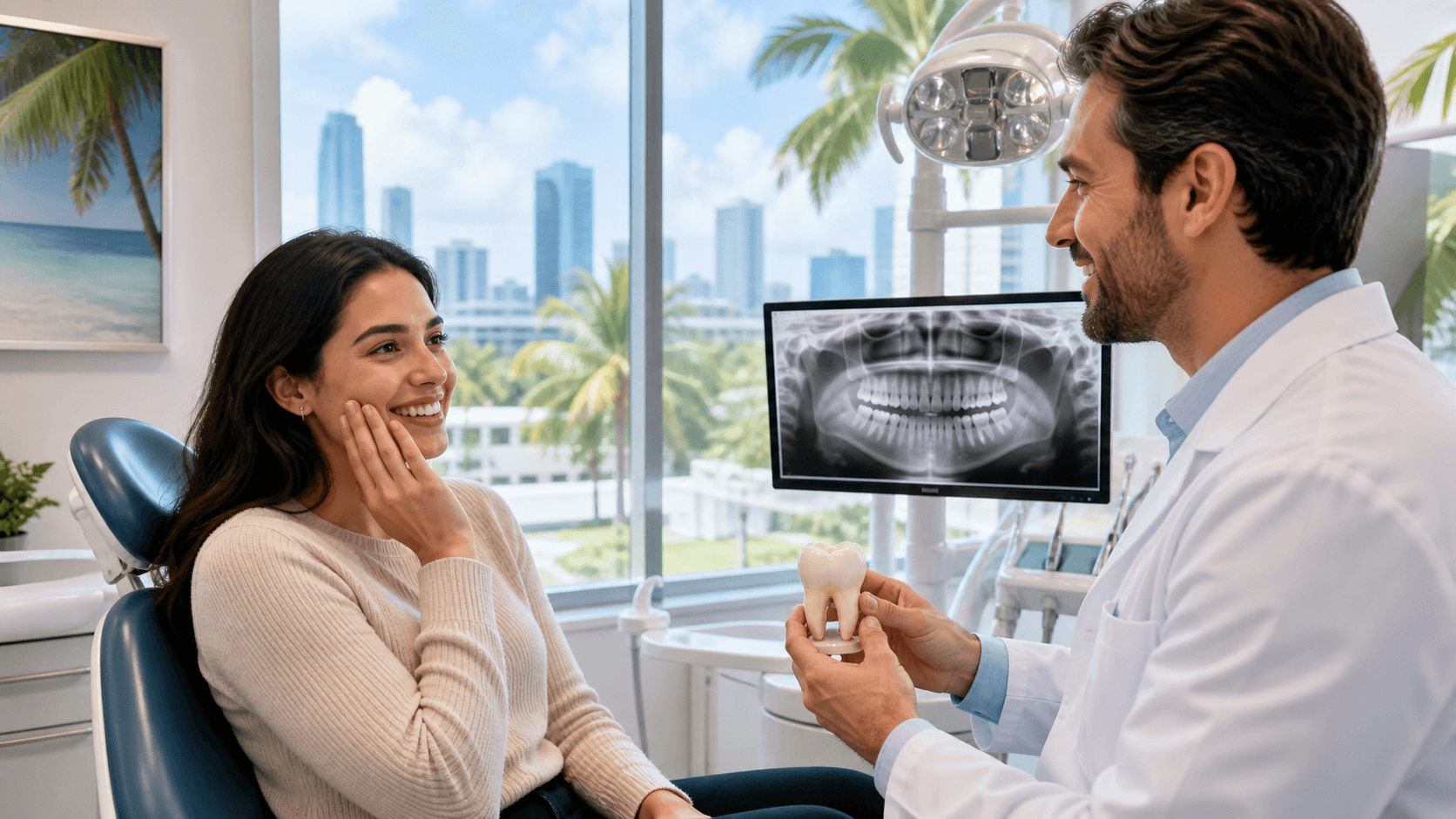
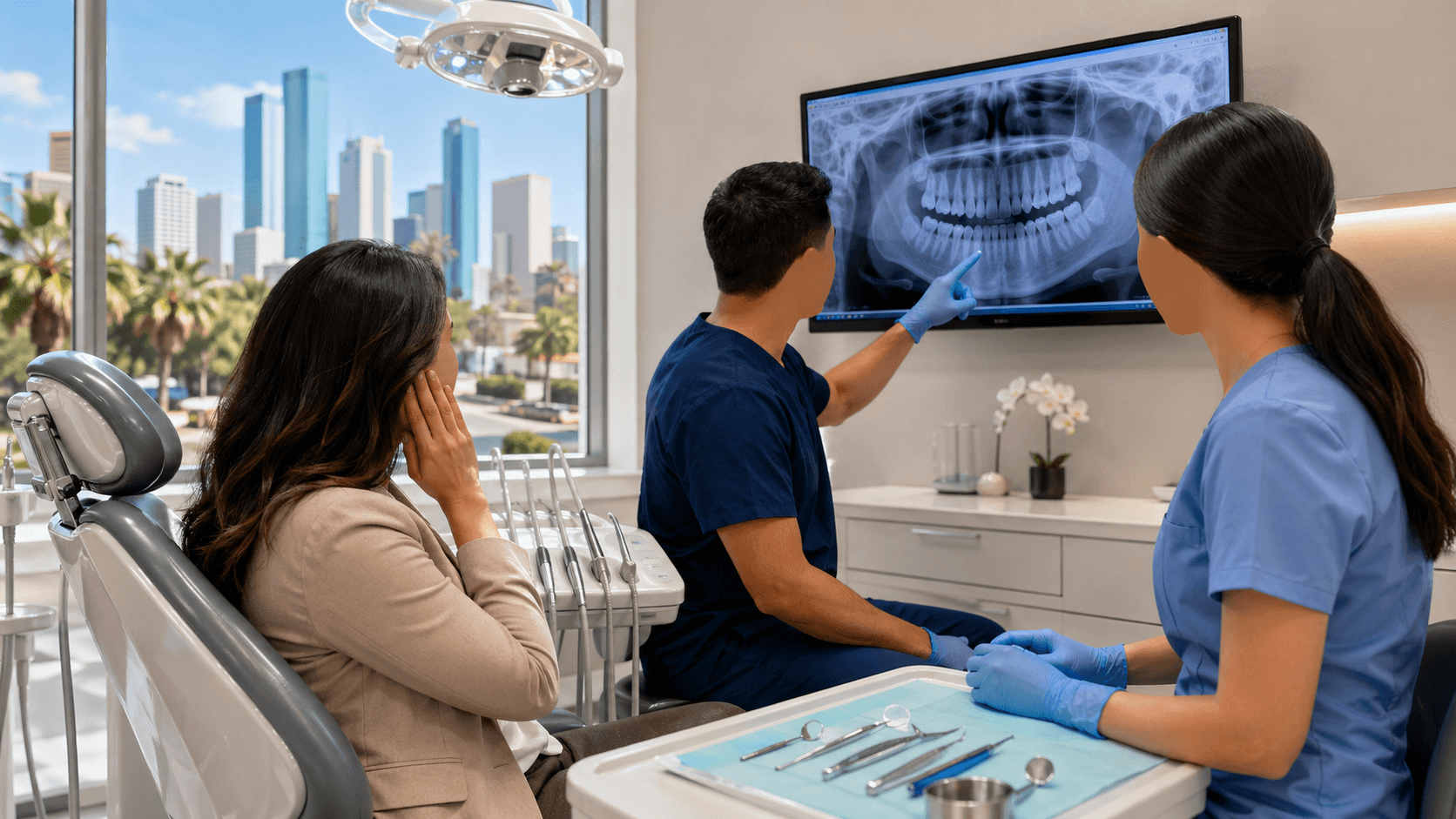
Palm Center Dental provides emergency dental services for sudden pain, abscesses, and injuries, and uses digital X-rays for fast, accurate diagnosis and personalized treatment.
Pain doesn’t always mean something is broken, but any of these issues can lead to quick discomfort if not treated early. Sometimes, even a small problem, like a stuck popcorn kernel or a minor chip, can open the door to bacteria that cause sudden throbbing. Temperature changes, like sipping something too hot or cold, might also trigger shooting pain if the tooth’s nerve is exposed. Biting into hard foods can crack a tooth or knock a filling loose, letting in more bacteria. Gum infections or wisdom tooth flare-ups can also lead to pain that comes on fast and won’t fade away with brushing alone.
Some people notice their teeth feel fine all day, but then pain hits hard at night or after a meal. This on-and-off pattern makes it easy to overlook when to act, but any new or odd pain is your body’s way of flagging a bigger issue underneath. The good news is, a dentist can usually spot the real cause with a quick check, and the right help leads to fast relief. Understanding what causes these problems is the first step, but the next is knowing how a professional can help you get back to normal.
What You Can Expect at the Dentist During a Tooth Emergency
When you show up with a painful tooth, we don’t waste time. The first step is a quick exam to figure out where the pain is coming from.
- We often take X-rays or digital images to see what’s happening under the surface
- Once we know the cause, we may clean the area, reduce pressure, or protect the tooth to help ease the pain right away
- Depending on what we find, we might suggest a longer-term fix, but our goal is to help you leave feeling better than when you came in
Even if it’s your first time dealing with this, we keep things clear and helpful every step of the way. You might be nervous or not sure what’s wrong, but emergency dental visits are designed to answer your questions and make the pain more manageable. Digital X-rays help spot problems you can’t see or feel, while a careful look at your gums and jaw helps rule out infections or hidden cracks. If you need a quick fix or just some relief so you can sleep, we guide you through what’s needed and what comes next.
During your visit, you can expect gentle, patient care, especially if you are feeling anxious. We might use numbing medicine to help you stay comfortable, and explain each step so there are no surprises. If a filling is loose, we may replace or adjust it; if there’s an infection, a prescription may be offered to bring down swelling or fight bacteria. Sometimes, cleaning out food debris or adjusting your bite is all it takes to calm a nerve and stop the ache. Our focus is always on making sure you leave the office knowing what happened, what we did, and how to avoid more pain down the road.
Some emergencies might call for a second visit, especially if more work is needed, but the goal is to send you home feeling better than when you arrived. We’ll talk through any next steps, from replacing a crown to setting up a follow-up, so you aren’t left guessing. Fast action in these moments pays off by keeping your teeth stronger and healthier in the long run.
Why Quick Help Matters for Your Smile
When your mouth hurts, waiting usually makes things worse. Infections can spread, and pressure can build up inside the tooth or jaw. Even teeth near the painful one can be affected if the problem isn't handled early.
- Fast care can stop damage before it reaches nearby teeth or gums
- Pain tends to grow stronger when left alone, so reaching out early can save time and discomfort
- A tooth pain emergency in Houston, TX is often easier to treat if you come in before swelling or damage spreads
The sooner you come in, the greater the chance we can fix things in one simple visit, keeping your smile steady and strong. Pain that travels to your ear, neck, or jaw is a sign that bacteria or swelling are moving beyond the first tooth. If handled quickly, a small dental procedure with early care often avoids the need for more complicated work later.
Dental emergencies sometimes feel easy to postpone, but even a few hours can make a difference. Tooth infections can risk your overall health, and swelling caused by trapped infection may impact your ability to breathe, eat, or even rest. Kids and older adults may feel these problems faster, needing immediate attention. A quick visit allows us to keep small, local problems from turning into bigger health issues. Getting help early also means less time missing out on family events, work, or favorite foods.
Fast care also helps protect your overall well-being, especially in a busy city like Houston, where daily routines can leave little time for long dental appointments. By choosing quick support, you help keep your teeth strong for the future and avoid setbacks that could last months. We’ve seen how a same-day visit can transform an entire week, letting you smile, eat, and talk with comfort.
Keeping Your Mouth Safe Moving Forward
Once the pain is handled, it’s a good idea to look at what might help avoid another emergency down the road.
- Brush and floss daily, even during busy weeks, to keep bacteria from building up
- Skip chewing on ice, hard candy, or anything tough that might chip or crack a tooth
- Make time for regular dental visits, even when your mouth feels fine, so we can spot small issues before they turn serious
Spring in Houston often comes with packed schedules, but small habits can go a long way in keeping your mouth feeling good all season. Making time for these habits often feels challenging, but the reward is fewer last-minute trips to the dentist and more days where you feel confident eating, talking, or smiling in public.
A few extra tips can help, like carrying a travel toothbrush in your backpack or purse so you can brush on the go, or choosing softer snacks for lunch if a tooth has recently felt sore. Protecting your teeth during sports or rough activities by wearing a mouthguard can also prevent accidents that lead to emergencies. Using water to rinse your mouth after eating sugary snacks, especially during spring and summer outings, can lower risk of sudden pain. Teaching your kids or family members these habits keeps everyone in the household healthier and saves time spent worrying about sharp aches later.
Keeping your teeth and gums healthy isn’t about doing everything perfectly every day, but making a little effort and being mindful when things feel “off.” When routines get busy, even these smaller choices can help you avoid a trip to the dentist for urgent care and let you enjoy spring in Houston to the fullest.
Stay Comfortable and Confident in a Busy City
In a city like Houston, where daily life can move fast, taking time to deal with tooth pain isn’t always easy. But the longer we ignore it, the harder it becomes to enjoy meals, talk comfortably, or get through a full night’s sleep.
Knowing when something isn’t right and getting help early can make all the difference. With the right care at the right moment, we can handle problems quickly and get you back to feeling like yourself, no stress, no constant ache, just a healthy, working smile.
Throbbing teeth or persistent swelling can signal a serious dental issue, so let our team at Palm Center Dental provide the fast, effective care you need. When you’re dealing with a tooth pain emergency in Houston, TX, count on us to respond quickly and deliver the lasting relief you deserve. Whether the pain just started or has been building for days, we’re here to make treatment straightforward and help you breathe easy again. Call today to schedule your visit.