Spring in Houston, TX, often means patio lunches, ballgames, and family plans outside. But tooth trouble doesn’t care what season it is. If you’ve recently noticed a sore tooth or were told you might need a crown, you could be wondering what that actually means and what to do next.
That’s where a dental crown specialist in Houston, TX, can help. Knowing when to get help and what to expect makes things less stressful and can save your tooth from more damage. Whether the issue came out of nowhere or has been creeping up, taking care of it quickly is a smart move.
What Is a Dental Crown and Why Might You Need One
A crown is like a cover that goes over a tooth to keep it safe and strong. Teeth take a lot of pressure every day. When one gets cracked, worn down, or has a big cavity, it can’t always hold up on its own. That’s why a crown is used, to give the tooth more support and keep it from breaking down further.
Some common reasons someone might need a crown include:
- A large cavity that can't be fixed with a simple filling
- A cracked or chipped tooth that’s causing pain
- A tooth that had a root canal and now needs extra protection
- A tooth that feels too weak to chew normally
Palm Center Dental provides dental crown solutions as part of our prosthodontic services, using materials like porcelain and zirconia for both front and back teeth to restore comfort and natural appearance.
Crowns let us save the natural tooth underneath. That way, you’re not losing a tooth. You’re giving it a second chance.
Signs It Might Be Time to See a Specialist
It’s not always clear when something’s wrong. Teeth don’t always hurt right away. But there are some signs that can point to trouble.
- Pain when you chew or bite down
- A tooth that feels sensitive to hot or cold
- A crack or chip you can see or feel
- Old dental work that feels loose or uncomfortable
Even if the pain comes and goes, it’s a signal that something isn’t quite right. These problems usually don’t go away on their own. Getting checked by someone who works with crowns often can help catch the problem before it gets worse.
Once you notice these signs, it can be helpful to jot down where the pain is or what activities seem to make things worse. This can make explaining the problem easier during your visit. Sometimes, sensitivity or sharp pains are your body’s way of telling you that something isn’t strong inside the tooth. Ongoing pain or a lingering “off” feeling is always worth sharing with a dental specialist who sees these issues regularly.
What to Expect When Visiting a Crown Specialist
If it’s your first time learning about crowns, a visit might feel a little unknown. Here's what usually happens when someone comes in to talk about a crown.
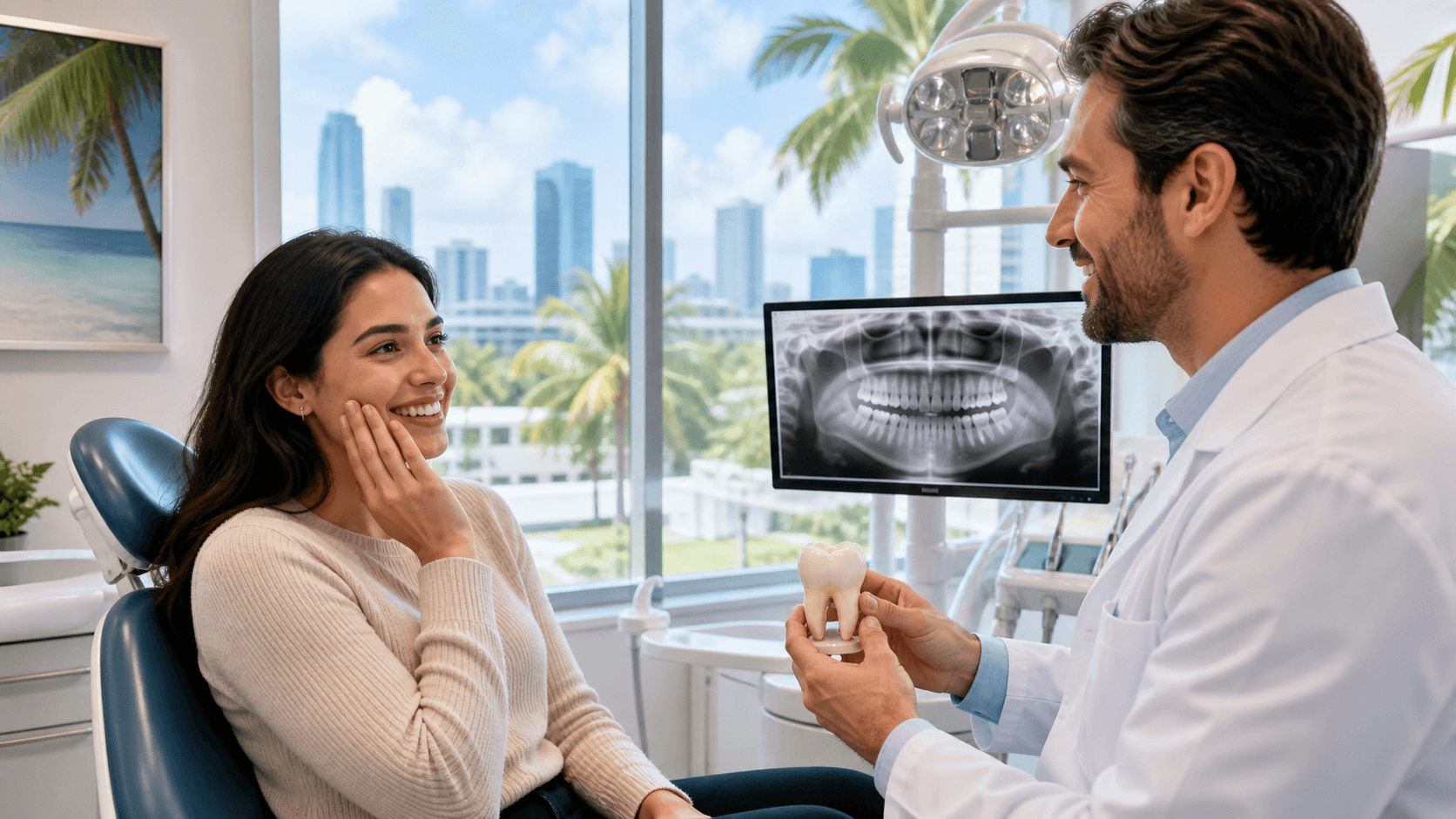
- We start with a close look at the tooth, sometimes using X-rays to see what’s happening inside
- Then we explain if a crown is needed and go over the steps one by one
- If a crown is the right option, we prepare the tooth, which involves cleaning it up and shaping it so the crown can fit
- A temporary crown may be placed while the final one is being made
The whole process is planned to keep you comfortable. Local numbing helps with pain, and we take breaks if you need them. It’s not as lengthy as many people expect. Often, just two visits are needed from start to finish.
You won’t be left in the dark about what’s happening next. At every step, we talk about what you might feel and how to care for your tooth, both before and after placement. If something feels odd during treatment, we listen and adjust so you’re never pushed to do more than you want. Our approach is to make each visit as simple and comfortable as possible, offering tips to help care for your crown once you leave the office.
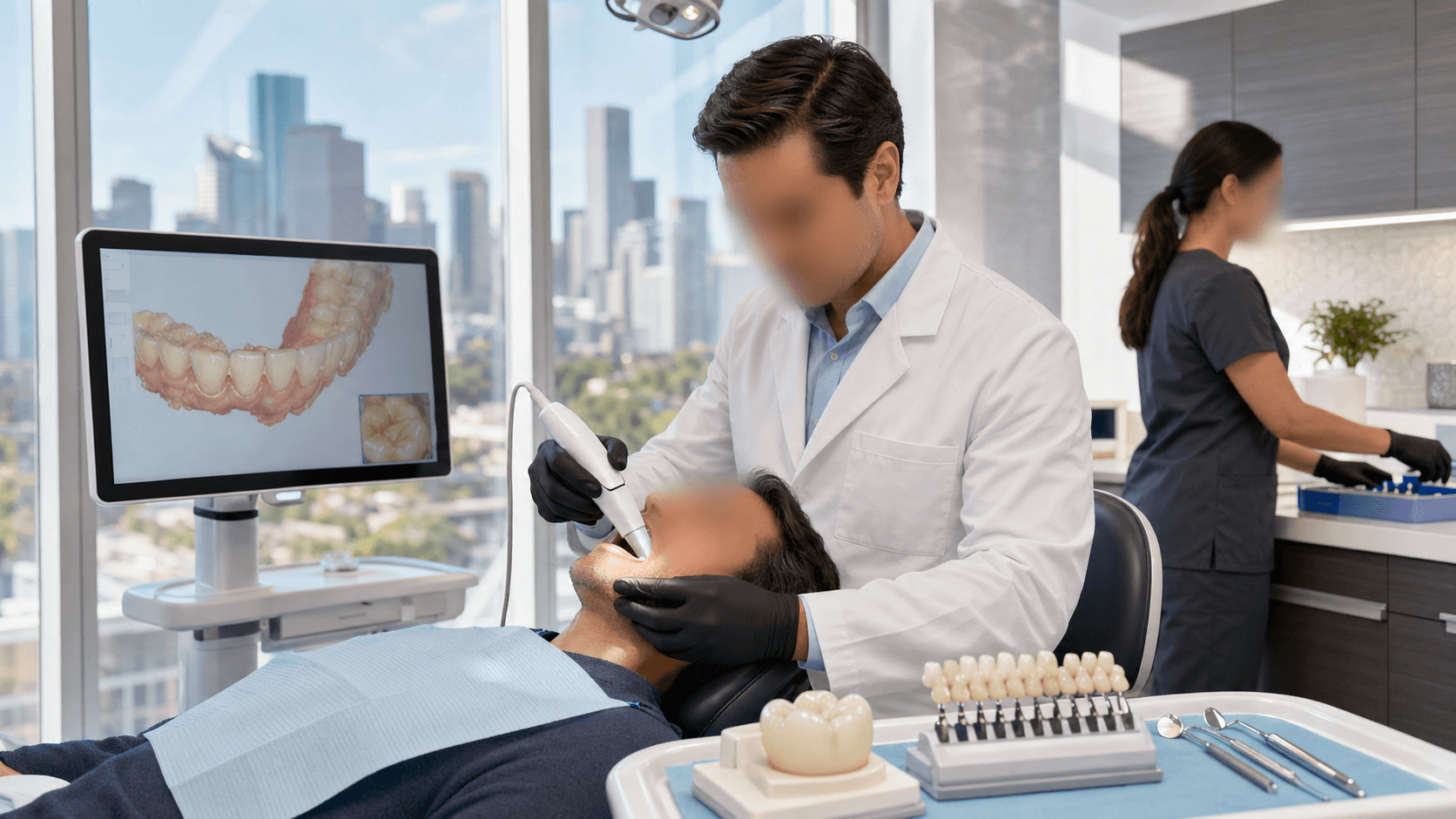
Palm Center Dental uses digital X-rays and precise impressions for comfortable crown placement, and we offer sedation options for patients who feel anxious during dental procedures.
Choosing the Right Type of Crown for Your Smile
Crowns aren’t all the same. There are different materials used depending on what your tooth needs and where it sits in your mouth.
- Porcelain crowns are popular for front teeth since they look just like natural enamel
- Metal crowns can be a better match for back teeth that do a lot of chewing
- Zirconia is a strong material that also blends in with other teeth
A dental crown specialist in Houston, TX, can help you figure out which type fits best for strength, comfort, and appearance. We think about how you use that tooth, how visible it is when you smile, and what kind of crown will last the longest.
Sometimes, it helps to see examples or touch samples of crown materials so you know exactly what will be going in your mouth. We also consider how certain foods or habits, like grinding teeth, could impact your choice. Bringing up any preferences in look or feel at the start ensures we match you with the crown that fits you best. Your comfort and confidence are top priorities as we work together to restore your smile.
Protecting Your Crown After the Work Is Done
Once the crown is placed, you want it to last. Crowns are tough, but they still need care just like your natural teeth.
- Keep brushing and flossing every day
- Chew gently around the treated tooth, especially during the first few days
- Try not to bite into very hard or sticky foods
- Come in for regular checkups so we can keep an eye on things
A well-kept crown can last for many years. If anything feels off, like pressure, pain, or shifting, it’s always okay to come in and get it looked at. Most of the time, small adjustments can fix the problem quickly.
Protecting your crown starts with the basics. Even simple habits, like rinsing with water after meals or brushing carefully near the crown, will keep it dent-free and looking its best. Eating softer foods for the first day or two can help your mouth adjust. We always suggest avoiding extremely sticky candies or chewing on objects like pens. Bringing your crown up at checkups or if you feel any sensitivity helps you catch small changes early. Consistent care at home and follow-through with checkups help your crown stay in good shape and keep your smile healthy from season to season.
Feel Better, Smile Stronger: Getting Help at the Right Time
Spring often brings extra reasons to smile, from backyard parties to graduation photos. But if you’re hiding your smile because something feels off, it may be time to talk to someone who can help.
A damaged or painful tooth can slow you down. When we catch problems early, the fix is usually simpler. A crown placed at the right time can protect your tooth, ease pain, and help you chew and smile with confidence again. Taking care of it now could mean fewer problems later.
Concerned about a tooth or unsure about your next steps? Visiting a trusted professional can help you prevent future dental issues and keep your smile healthy. Turning to a dental crown specialist in Houston, TX ensures your damaged teeth receive expert care. At Palm Center Dental, we make every visit welcoming, informative, and personalized to your needs. Call us today to schedule an appointment at your convenience.