Dental visits can make people feel uneasy, and that’s completely normal. Whether it’s a child coming in for their first filling or an adult facing a longer procedure, it’s not uncommon to feel nervous about what’s ahead. That’s where options like dental sedation can really help. For those thinking about dental sedation in Houston, TX this time of year, it’s good to take a pause and consider what goes into that decision.
Winter is often slower-paced than spring or summer. That helps make February a smart time to plan ahead for appointments that need extra time or care. Before choosing sedation, it helps to understand why it’s used, how it works, and what the day of the appointment might look like. When families know what to expect, it’s easier to move forward with a clear head and steady plan.
When Dental Sedation Might Be Recommended
There are a few common reasons we might suggest sedation as part of a dental visit. The goal is always to make the process easier for each individual patient, especially if they tend to feel tense in the chair.
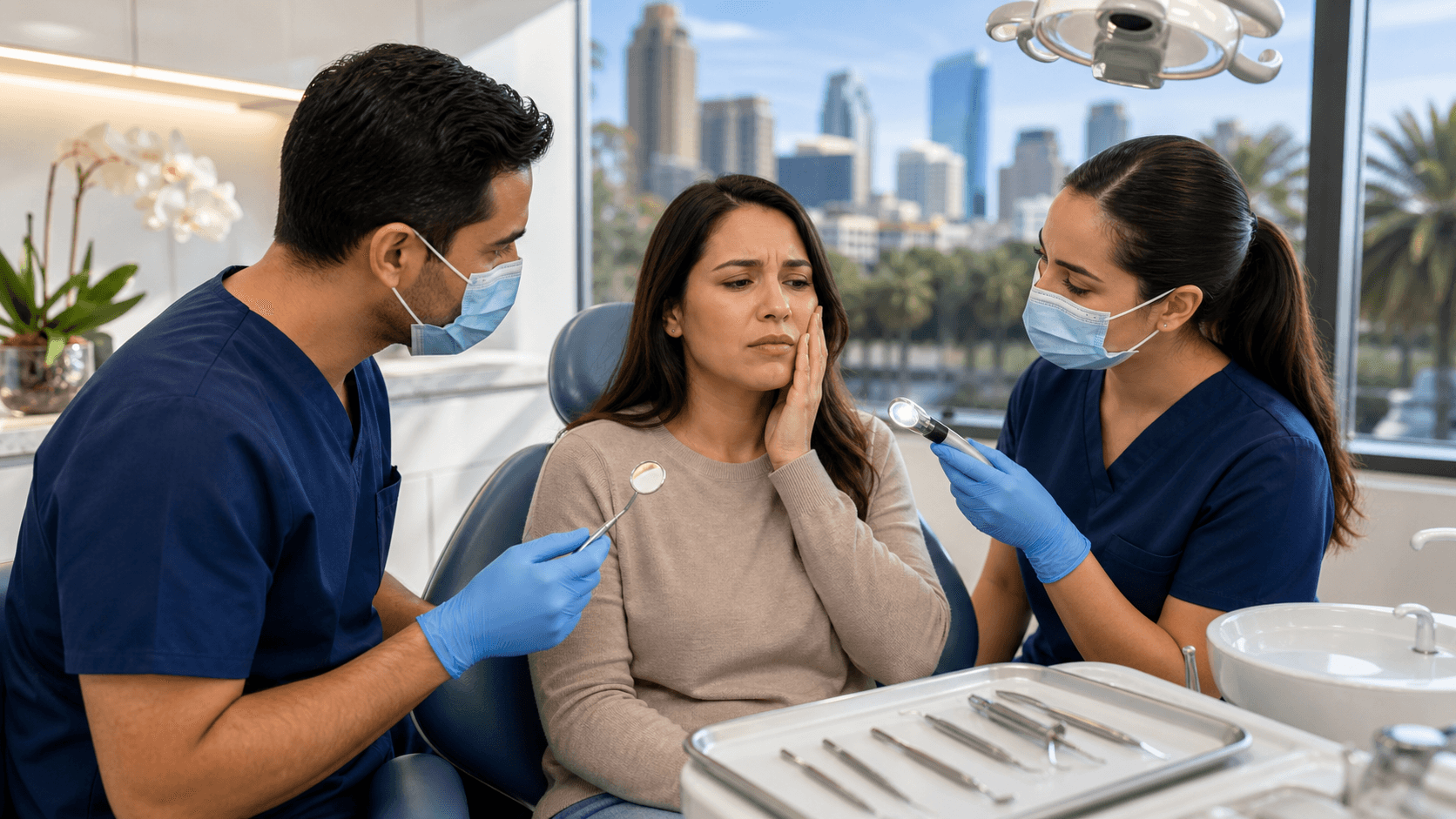
- One big reason is anxiety. If someone feels uneasy even thinking about a dental visit, sedation can help calm that feeling so they can still get the care they need.
- For younger kids or patients with special needs, having something to help them feel more relaxed can make it easier for us to work safely and gently.
- Sometimes a procedure might just take longer than usual. Sedation can help pass the time and keep a patient calm and still throughout.
We talk through all of this before making a plan. If a child has a hard time sitting still or has reacted strongly to past dental visits, those are signs we may be able to help through sedation. The same goes for anyone who’s had discomfort during past treatments or just feels better knowing they won’t be wide awake the whole time.
Palm Center Dental provides mild to deeper sedation, including nitrous oxide, oral sedation, and IV sedation, allowing children and adults to receive the care they need in comfort, even during longer or more complex dental procedures.
Understanding the Different Types of Sedation
Knowing the different kinds of sedation can take away some of the guesswork. Each one is used for a different reason depending on the person, the procedure, and how they usually respond to dental care.
- Mild sedation, like nitrous oxide (often called laughing gas), is used to take the edge off. Patients stay awake but feel more at ease, and the effects wear off quickly after the visit.
- Moderate sedation is usually taken by mouth or through a small mask. It still keeps patients awake, but they feel sleepy and may not remember much after. This can be helpful when a patient has anxiety or needs a longer treatment.
- Deep sedation and general anesthesia are used less often but can be the right fit for bigger procedures or for patients who need more support staying still and relaxed. These are usually given through an IV and require close monitoring throughout.
For kids or anyone nervous about being in the chair for a while, most of the time, we start with the lighter sedation options. Every plan is made with the patient’s comfort and safety in mind.
What to Expect Before, During, and After
Getting ready for a sedation appointment doesn’t have to be stressful. A few simple steps go a long way in helping the day feel calm from start to finish.
- Before the visit, we may ask that the patient not eat for a few hours, depending on the type of sedation. We also recommend getting good rest the night before and planning for a quiet day afterward.
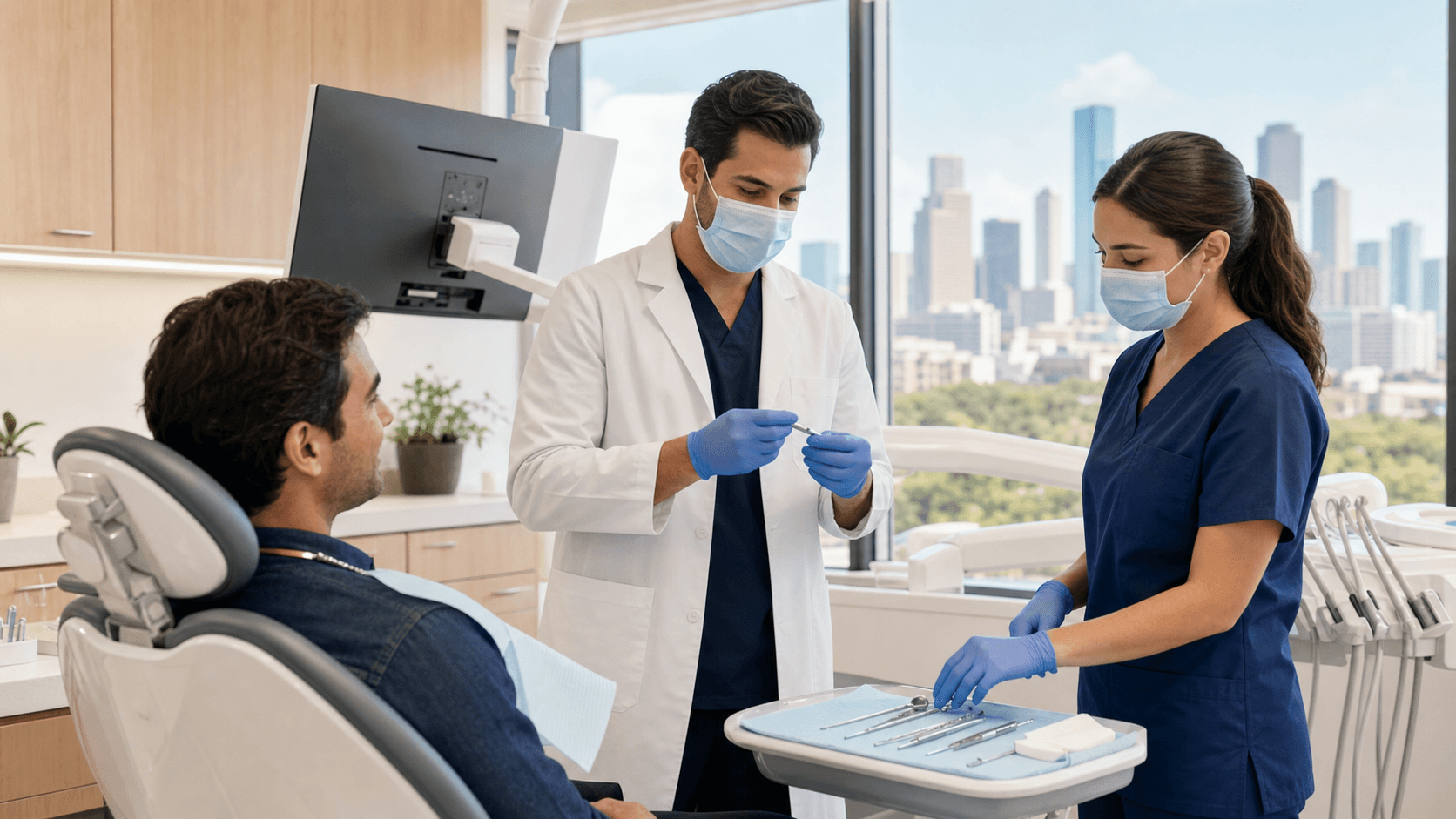
- During the appointment, we make sure the patient is comfortable before starting anything. Gum numbing, sedation setup, and safety checks all come first. Once everything is in place, we begin the treatment as planned.
- After the appointment, most patients feel sleepy or groggy for a little while. It’s a good idea to have someone else drive them home. We also suggest soft foods, extra water, and a day of rest for the best recovery.
Parents often ask what’s normal and what’s not after a sedation visit. Light sleepiness, a sore mouth, or reduced memory of the visit are all expected. We share details during the visit about how long the effects may last and when to call if there are questions.
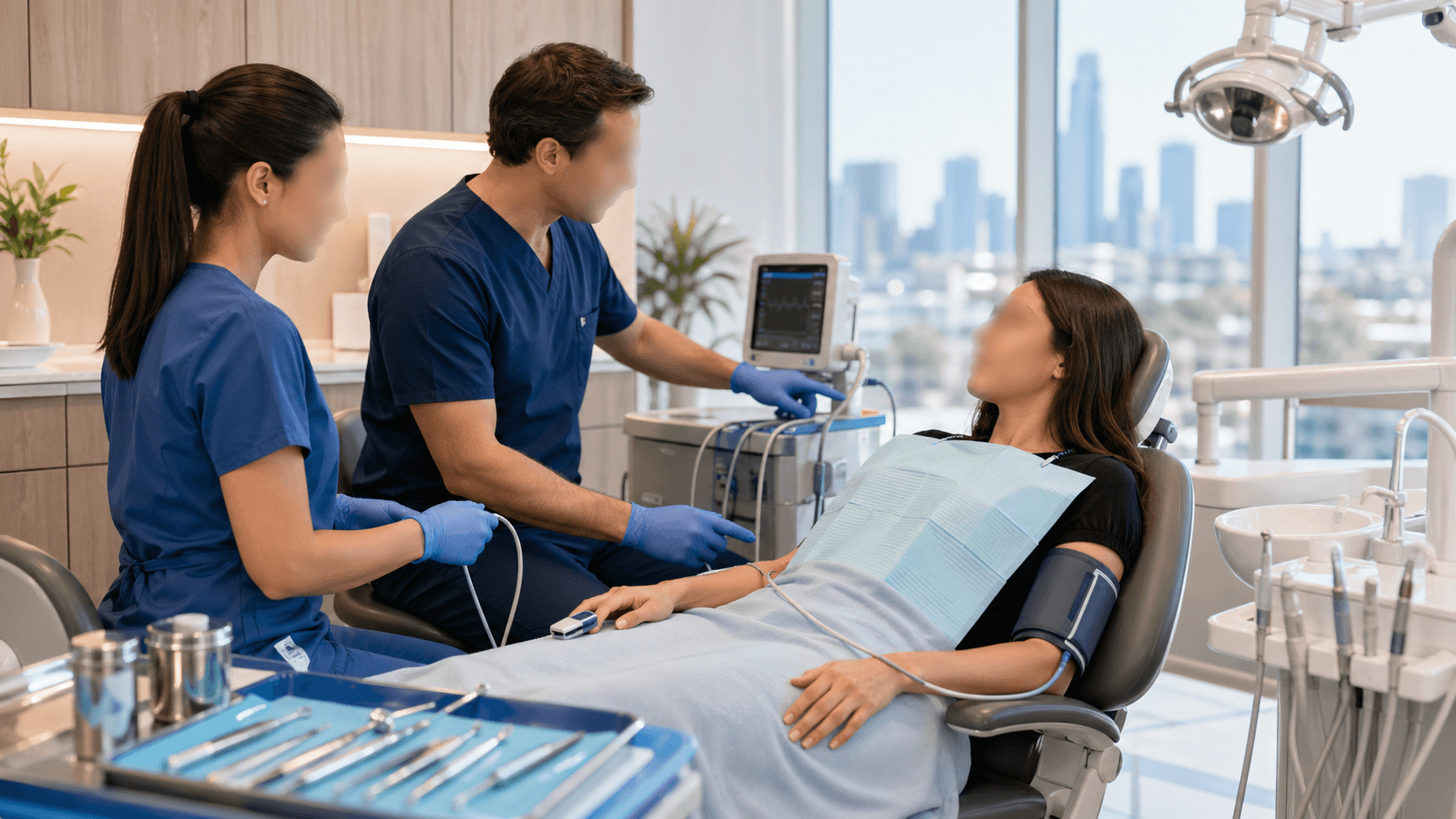
Palm Center Dental uses advanced technology to monitor vital signs and keep every member of the family as comfortable and safe as possible during sedation and recovery.
Timing Dental Work in Houston’s Cooler Months
Planning dental care in February makes sense for a lot of families. The holiday rush has passed, spring activities haven’t taken over yet, and calendars tend to be more flexible. That extra space is helpful when scheduling treatments that take longer or may need follow-ups.
In Houston, Texas, winter brings mild weather without many of the extreme conditions seen in other places. That makes healing days more comfortable, especially for sensitive procedures or younger patients. You won’t have to worry about freezing temperatures or icy roads as you plan rides or pick-up times.
We also find it’s easier to fit visits around school and work when things aren’t as busy. Choosing a slower season helps reduce stress for both the patient and whoever’s bringing them in. By the time spring events begin filling up your calendar, your dental work is already checked off the list.
Peace of Mind with the Right Plan
Sedation isn’t about making things fancy, it’s about making care feel safer and more do-able for those who need a little extra support. It opens the door for smoother appointments, easier healing, and less worry on both sides of the chair.
When we take the time to think about how someone feels before, during, and after their appointment, we make room for trust to grow. Whether it’s helping a child stay calm or giving an adult peace of mind before starting treatment, the way we plan makes a difference.
With the right timing, the right prep, and a clear plan, dental sedation doesn’t have to feel like a big question mark. It can simply be one more tool we use to help care feel comfortable, safe, and doable, for everyone who walks through the door.
Looking forward to a more comfortable dental experience? Discover how dental sedation in Houston, TX can help make your next visit smooth and stress-free. We offer mild to deeper sedation options designed to ease nerves and support patient comfort through longer or more intricate procedures. Whether you’re planning care for yourself or your child, our team at Palm Center Dental will guide you every step of the way so your visit feels simple and calm from start to finish. Contact us to start planning your visit today.