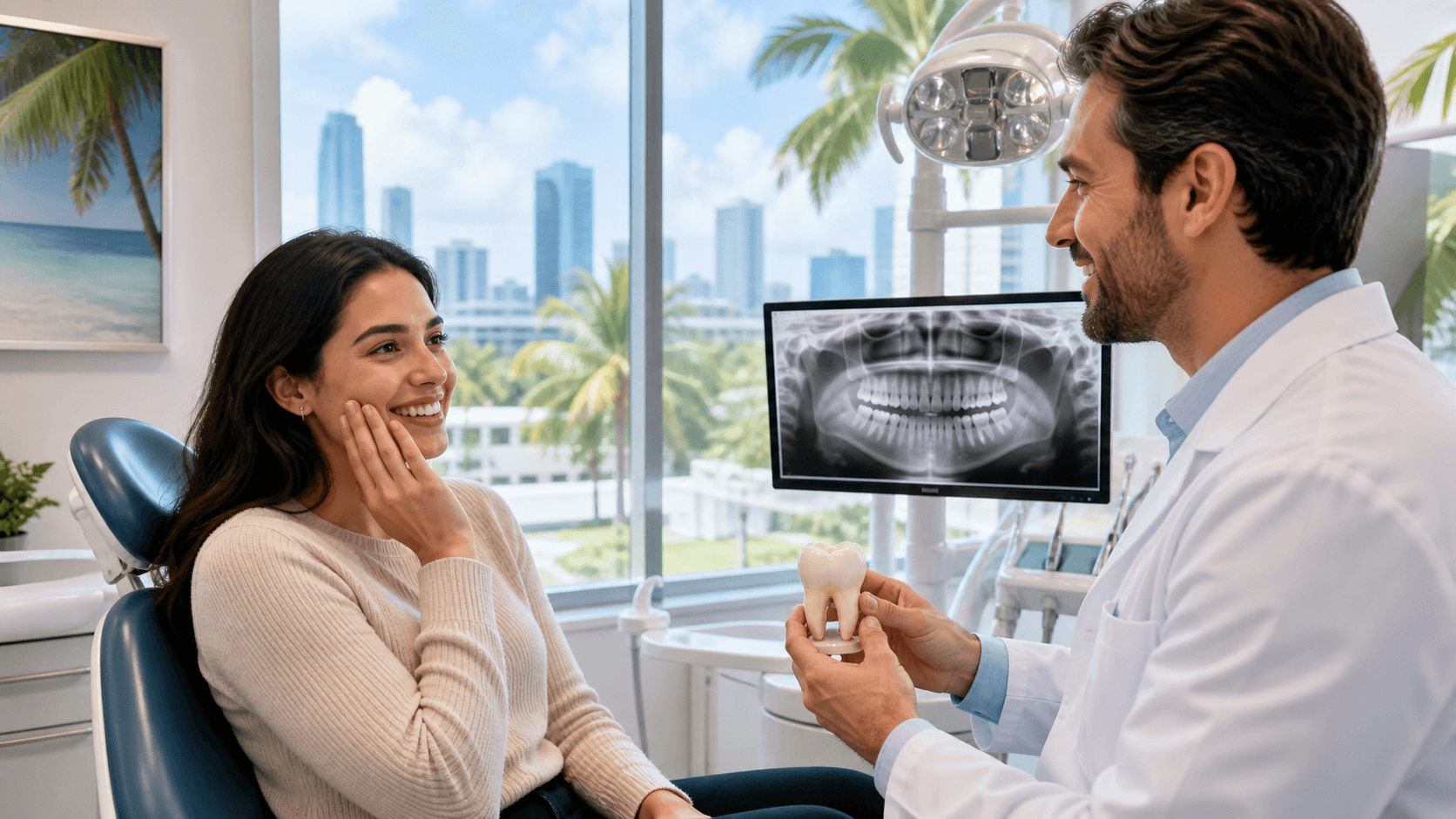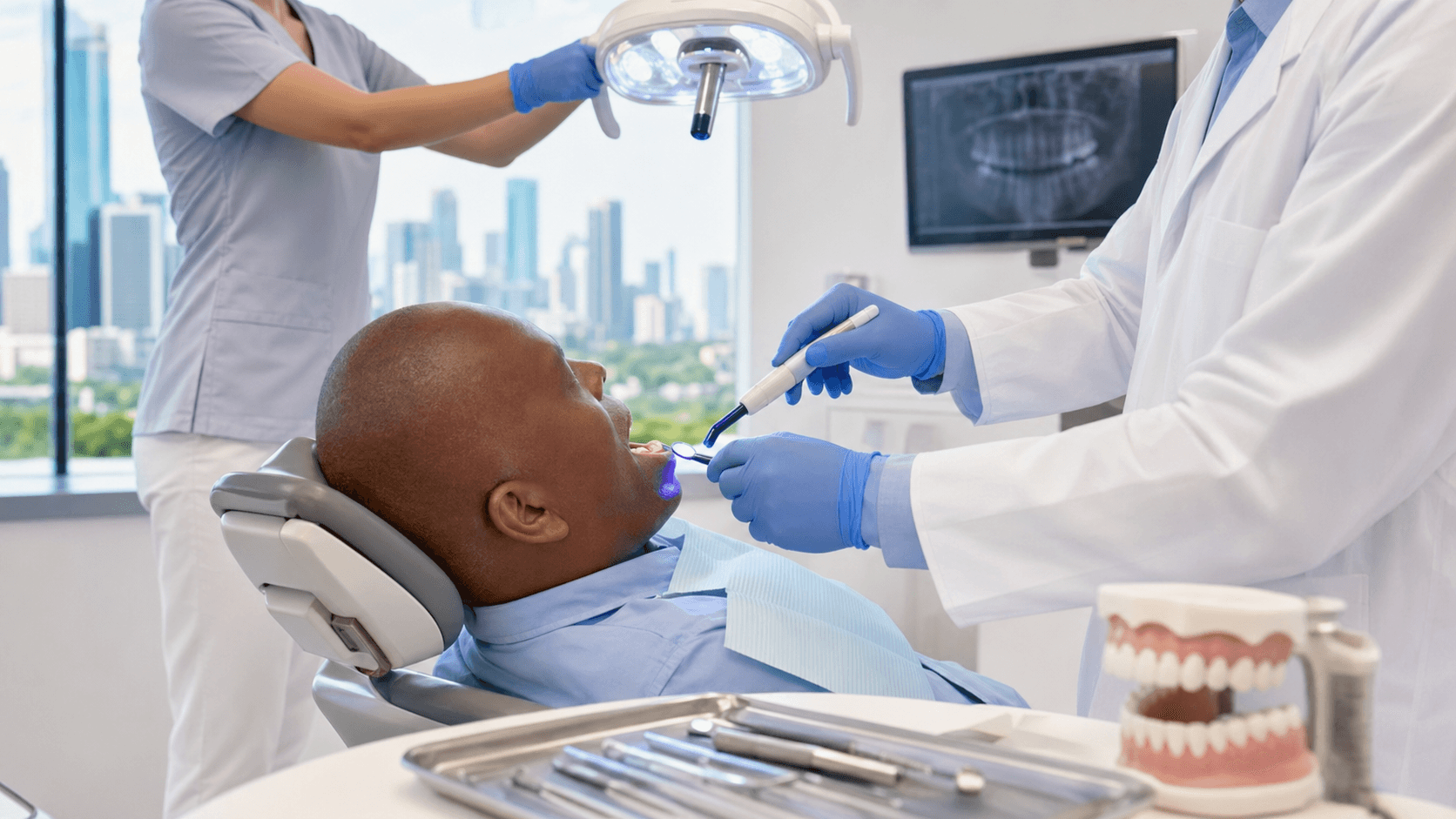
Missing a tooth can do more than change how your smile looks. It can make eating trickier, affect how we speak, and even cause other teeth to shift around. Over time, these small changes can lead to bigger problems if the space isn't filled.
One way we help with this is by using dental bridges. A dental bridge fills the gap where a tooth is missing, helping your bite feel normal again. In this post, we’ll walk through how dental bridge installation in Houston, TX works, including what happens at each step. Getting professional dental care can make the whole process feel more simple and more comfortable.
What Is a Dental Bridge and Why It Matters
A dental bridge is just what it sounds like, it “bridges” the space made by a missing tooth. It attaches to the teeth next to that space and holds a new tooth in place. This setup helps keep your bite working the way it should.
People often ask how a bridge compares to things like partial dentures or implants. Bridges don’t come out like dentures and don’t go into the bone like implants. They rely on the teeth on both sides for support.
Once a bridge is placed, a lot of simple things, chewing food, talking clearly, even smiling, tend to feel more natural again. Having a full set of teeth gives many patients a quiet boost in confidence too.
Palm Center Dental offers dental bridge installation as part of our prosthodontic services, which include fixed bridges, removable bridges, and implant-supported bridges, all planned with detailed exams to ensure the right fit.
When a Bridge Might Be the Right Choice
Missing teeth can happen for all kinds of reasons. Decay, injury, or gum disease are some of the most common causes. No matter the cause, filling the empty space helps keep the rest of your teeth from drifting or wearing down unevenly.
Here are a few situations where a bridge might be helpful:
- A single tooth is missing with strong teeth on both sides
- A back tooth is gone, making chewing harder
- One or more front teeth are missing, affecting your confidence
- You're looking for something fixed in place, not removable
We always start by looking closely at your teeth, gums, and bite. That part helps us know if a dental bridge is the right fit. The structure around the missing tooth needs to be stable and strong enough to support the bridge.
Step-by-Step: How the Bridge Process Works
Getting a bridge usually takes a few visits, with some time in between to allow for custom work. We pace everything carefully, so your mouth can adjust as we go.
Here’s what the process tends to look like:
- We start with a full exam and take impressions of your mouth. This helps us plan how the bridge will fit and look.
- Next, we prep the neighboring teeth to hold the bridge. This usually involves shaping them a little so the crowns can sit properly.
- We send those molds off to create your custom bridge. While it’s being made, you may get a temporary one to use in the meantime.
- Once the permanent bridge is ready, we check the fit and cement it in place. Everything is polished and adjusted so it feels natural in your bite.
This dental bridge installation in Houston, TX spreads out over a couple of weeks, giving us time to create a strong, comfortable final result.
Palm Center Dental uses digital impressions and precise shade matching to craft bridges that are comfortable and natural-looking, making sure the finished restoration sits just right in your bite.
What to Expect After the Bridge Is Placed
Once the final bridge is in place, your mouth might feel a little new or different. That’s normal. Most people adjust quickly and find things like chewing and speaking easier again.
At home, you’ll want to:
- Start with soft foods while you get used to the feel
- Brush gently around the bridge, especially near the gums
- Use floss or a small brush to clean between the bridge and surrounding teeth
- Avoid very sticky or hard foods right away
We’ll set up follow-up visits to make sure the bridge continues to sit well. These check-ins give us a chance to smooth out any small issues and make small adjustments if needed.
Keeping Your Dental Bridge Strong Long Term
Good daily care goes a long way. Brushing and flossing every day helps stop plaque from building up around your bridge and nearby teeth. It also helps your gums stay healthy and firm.
Some helpful habits include:
- Brushing twice a day with a soft brush
- Using floss threaders or interdental brushes to clean under the bridge
- Rinsing with water after meals
- Scheduling regular checkups so we can spot any changes early
A well-made bridge can last a long time, but keeping up with those small everyday steps makes a big difference.
Stronger Smiles Start with Good Information
Dental bridges do more than fill a gap. They bring function, support nearby teeth, and help restore natural movement when you chew or speak. The bridge process involves a few visits, from the first exam to the placement of the final piece.
Knowing what to expect can make each step feel easier and more relaxed. Our goal is to create solutions that support comfort and function so every patient can move forward with confidence. Taking care of missing teeth now helps protect future health, and talking through your options with a trusted dentist can be the first step to feeling better.
Ready to feel more confident chewing, speaking, and smiling? We’re here to help with a step-by-step approach that takes the guesswork out of the process and puts your comfort first. To learn more about how we handle dental bridge installation in Houston, TX, our team at Palm Center Dental would be happy to walk you through what comes next. We want every patient to feel supported from the very first visit, so give us a call to schedule your appointment.