A dental bridge fills the gap that missing teeth leave behind, helping us chew better, speak more clearly, and smile with ease. It does a lot of work every day, so when something feels off, it’s worth paying attention. If your bridge starts to feel loose or uncomfortable, it might not be something you can brush off.
Winter has a way of slowing things down, which can actually be a good time to notice those small changes we might ignore during busier months. If it’s been harder to chew lately or something feels different in your bite, you could be in need of a dental bridge repair in Houston, TX. A few minutes of extra awareness now can help you avoid bigger dental problems later. Let’s walk through some useful signs and what to keep in mind this season.
Signs Your Dental Bridge May Need Repair
Sometimes, the signals are clear. Other times, they show up as small changes in your daily routine. Either way, paying attention to how your bridge feels can save you trouble down the road.
- If your bridge moves when you eat or shifts slightly when you talk, that could mean it’s coming loose. Bridges should feel stable and secure.
- Pain or soreness around the area can point to problems underneath. If chewing feels harder than it used to or certain foods trigger discomfort, it’s worth having checked.
- Noticeable changes like gum swelling or bleeding near the bridge aren’t something to ignore. These may be early signs of infection or stress on the surrounding teeth.
- Bad breath or a strange taste that lingers could mean food or bacteria has become trapped under the bridge.
- If your speech sounds different or you hear a slight lisp that wasn’t there before, your bite alignment may have shifted.
You know your own body best. If something feels off or has slowly changed over the last few weeks, trust your instincts. These are subtle warnings that your bridge could be due for attention.
What Causes Bridges to Need Repair Over Time
Just like shoes or eyeglasses, dental bridges experience normal wear from daily use. That doesn’t mean something’s wrong, it just means it’s time to check in.
- Everyday chewing and brushing put stress on your bridge and the teeth it’s connected to. Over the years, that stress can loosen its fit.
- Eating hard foods like nuts or chewing on ice can chip or damage parts of a bridge. Sticky items like caramel or dried fruit might pull at the edges, creating small gaps.
- If you’ve noticed your gums changing shape or shrinking slightly, it could mean the bridge isn’t sitting quite right anymore. Teeth that hold the bridge can move or weaken over time as well.
- Older dental work underneath the bridge, like fillings or crowns, might wear down or loosen, causing the bridge to shift or feel unstable.
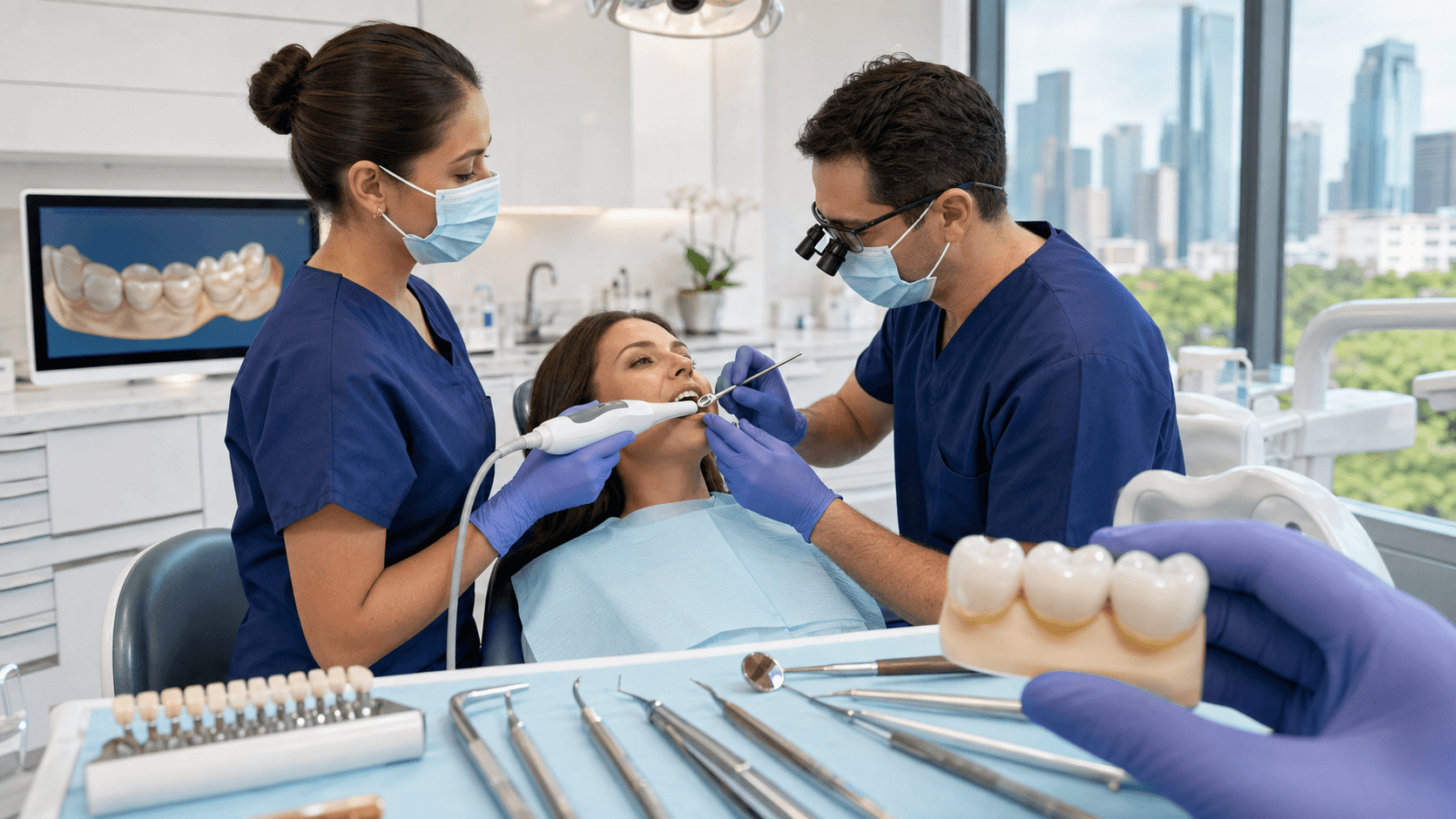
At Palm Center Dental, dental bridge repair is part of our prosthodontic services, which include repairing, adjusting, or replacing bridges, crowns, and implants based on what best fits your needs.
These issues build slowly, so they’re easy to miss until something starts hurting or feeling awkward. The good news is that regular awareness helps you catch things before they need major work.
Why Timing Matters for Fixing Dental Bridges
Winter in Houston may not bring snow, but it offers a slower season with more time indoors and fewer distractions. That makes now a helpful time to check in on things like dental bridges.
- Between holiday breaks and quieter schedules, winter often gives us the flexibility to book needed appointments close to home.
- If your bridge is showing early signs of trouble, you can catch it before spring schedules fill up.
- Changes that feel small now, like minor soreness or food catching, might grow into full repairs later. A quick adjustment during winter can prevent more time in the chair come spring.
- The cooler months often mean a switch in habits too, warmer foods, holiday snacks, and different routines. These changes may make bridge problems show up faster.
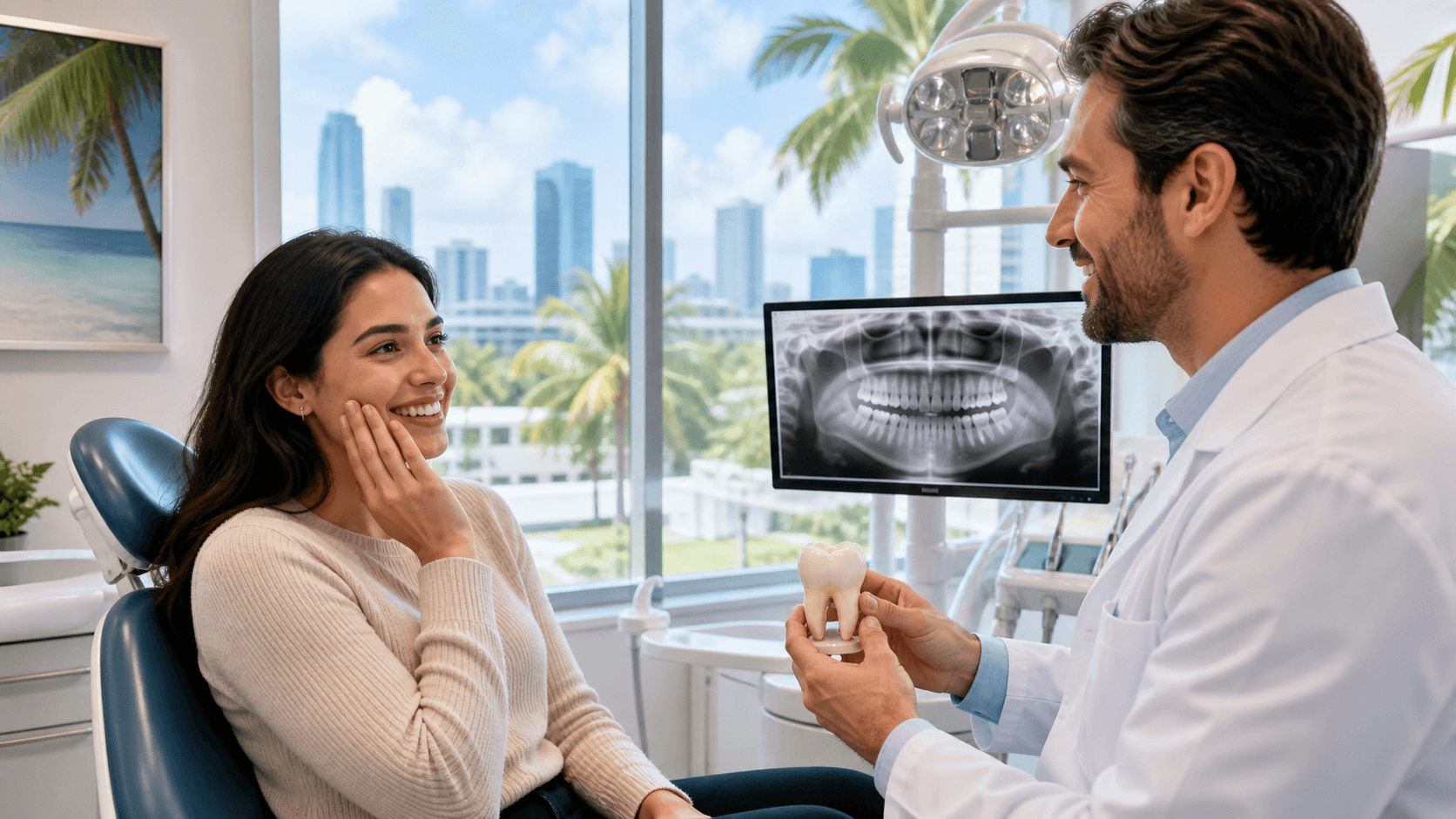
We use digital X-rays and other modern diagnostic tools to help find the exact cause of bridge problems, so repairs can be made with confidence and comfort.
Being proactive now can give your teeth the comfort and strength they’ll need when Houston’s warmer weather returns and the calendar gets busier again.
Getting Local Help You Can Count On
Living in Houston, TX means we experience mild winters, a good variety of local foods, and a mix of seasonal routines. That makes having help close to home especially useful when it comes to things like dental bridge repair.
- Spicy or chewy foods common in the area can make bridge issues more noticeable, especially if something doesn’t feel secure or bites unevenly.
- Local providers who understand the food habits and weather patterns here can better recognize problems that develop during colder months, like dry mouth or shifting bite pressure.
- Cold fronts and heater use tend to dry out the air, which may affect how a bridge fits or feels. These smaller seasonal factors can affect your comfort more than you’d expect.
- Having care nearby also means less time stressing over traffic or long drives if you need more than one visit.
When you plan care around how life flows in Houston, things go more smoothly. And that eases any stress about getting help when it matters most, especially for something as noticeable as your bite or smile.
Start Spring with a Confident Smile
Winter gives us a good window to check in with ourselves, especially when it comes to things we don’t often think about, like dental bridges. Picking up on early signs like soreness, looseness, or changes in bite means you can take care of a smaller issue before it grows.
Getting a small fix now helps avoid bigger appointments later and keeps you feeling comfortable and confident as spring approaches. When your mouth feels good, everything from eating out to chatting with friends gets easier. Watching for the signs, listening to your body, and making time for small changes now can help you start the next season on the right foot.
At Palm Center Dental, we understand how important your daily comfort is, especially when a dental bridge doesn't feel quite right. Noticing shifts, soreness, or bite changes early can make a big difference in your oral health. Let us help you address concerns with dental bridge repair in Houston, TX so you can feel confident and comfortable as spring approaches. Call us today to schedule your visit at a time that works for you.