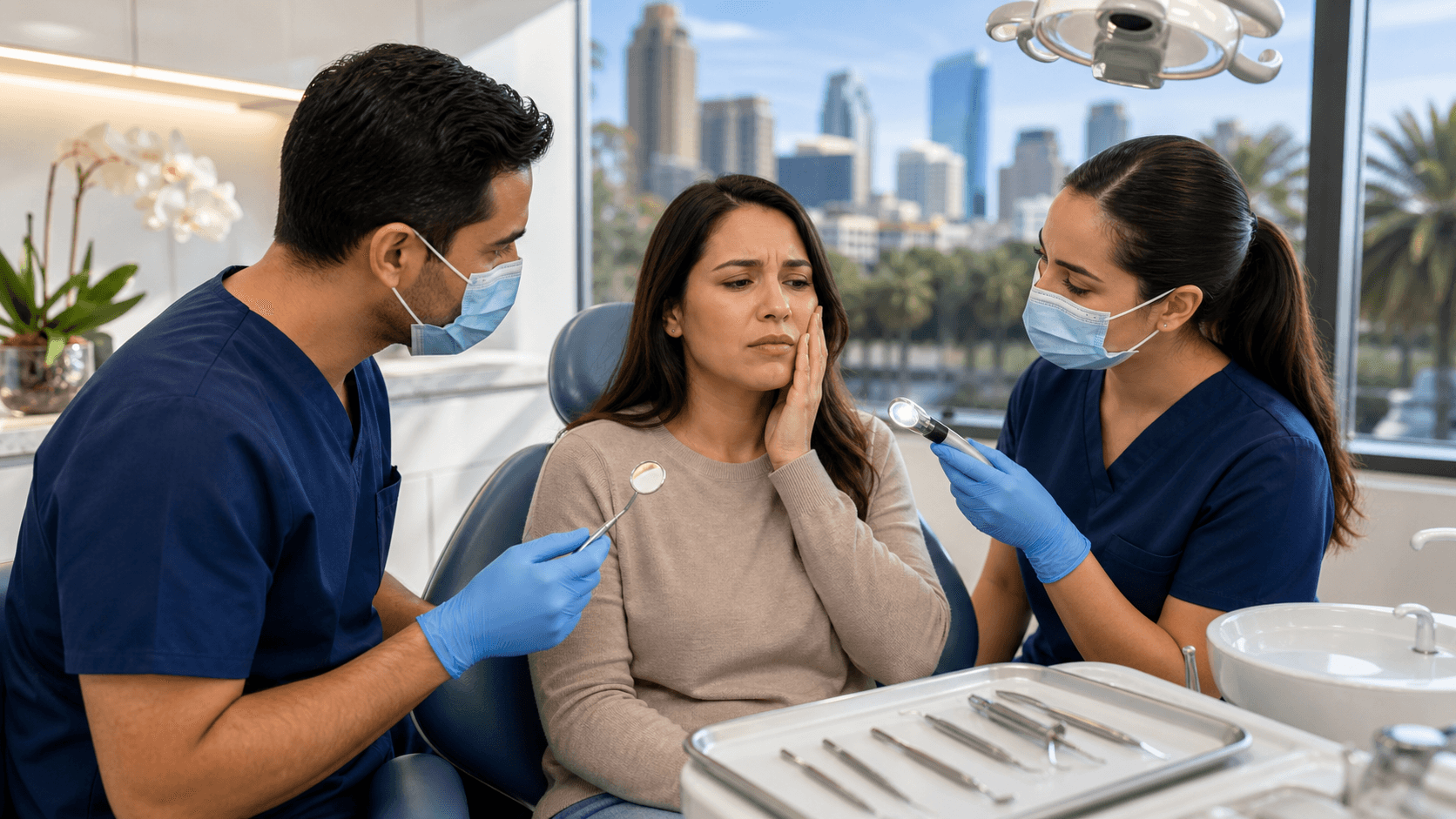
Tooth pain that comes on fast and keeps getting worse is hard to ignore. When it flares up suddenly, especially in the middle of a busy spring week or just before a trip, there’s a good chance it could be more than just a sore tooth. In some cases, an infection deep inside the tooth has spread enough to need quick treatment. That’s when an emergency root canal may be needed.
Getting an emergency root canal in Houston, TX, can help ease discomfort quickly and stop the damage from spreading. When caught early, this kind of urgent care doesn't just keep things from getting worse, it can also save the tooth.
What an Emergency Root Canal Means
A root canal sounds serious, but it’s a common treatment that many people go through each year to stop tooth pain. Inside each tooth is a small space filled with soft tissue called pulp. When that area becomes infected or inflamed, it causes pressure and pain that can’t be managed with brushing or over-the-counter medicine.
An emergency root canal means clearing out that infection fast. We clean the inside of the tooth, remove the infected pulp, and seal the area to keep it protected. We do this to stop the pain, avoid lasting damage, and give the tooth the best shot at staying in place.
You might need one right away if you're feeling:
- Sharp, throbbing pain that doesn’t ease up
- Sudden swelling in the jaw or face near the tooth
- Tender gums or a bump that looks like a pimple
- Sensitivity to hot or cold that sticks around even after eating or drinking
- Pain when biting or chewing
If any of this sounds familiar, acting quickly can help you feel better sooner.
Common Causes That Lead to Root Canal Emergencies
There are a few things that can lead to a sudden need for root canal care. Often, it starts with a cavity that’s been getting deeper over time without much notice. Other times, a cracked tooth lets bacteria in and allows infection to grow underneath.
In Houston, we also see habits and seasonal activities that sometimes lead to quick-onset tooth trouble. Things like:
- Crunchy snacks or hard candies breaking a weakened tooth
- Past dental work (like fillings or crowns) that loses strength over time
- Backyard sports or DIY projects causing accidental injuries to the mouth
- Sweet drinks during warmer days feeding decay faster than expected
This time of year, people are more active outdoors, trying to make the most of spring weather. That extra movement and those spring celebrations can lead to situations where a tooth gets bumped or a small problem becomes a bigger one.
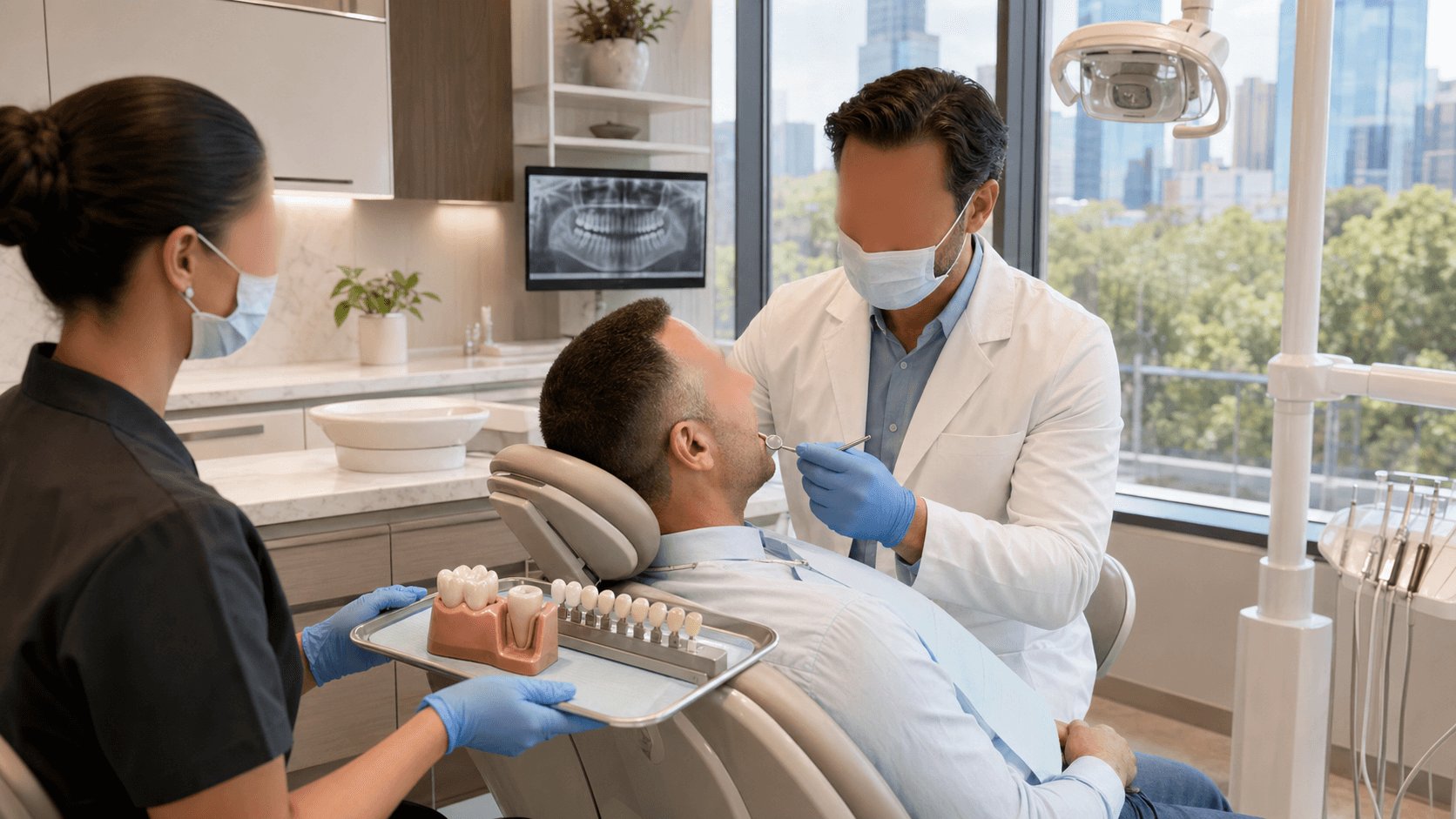
Palm Center Dental uses digital X-rays and modern imaging tools to spot infections quickly and decide the best plan, so emergency care is based on accurate, up-to-date details.
How We Handle Urgent Dental Visits
When someone walks in with pain that can’t wait, we try to act fast. The first thing we do is take a good look at what’s going on. That means checking the area closely, asking about symptoms, and taking X-rays to see inside the tooth.
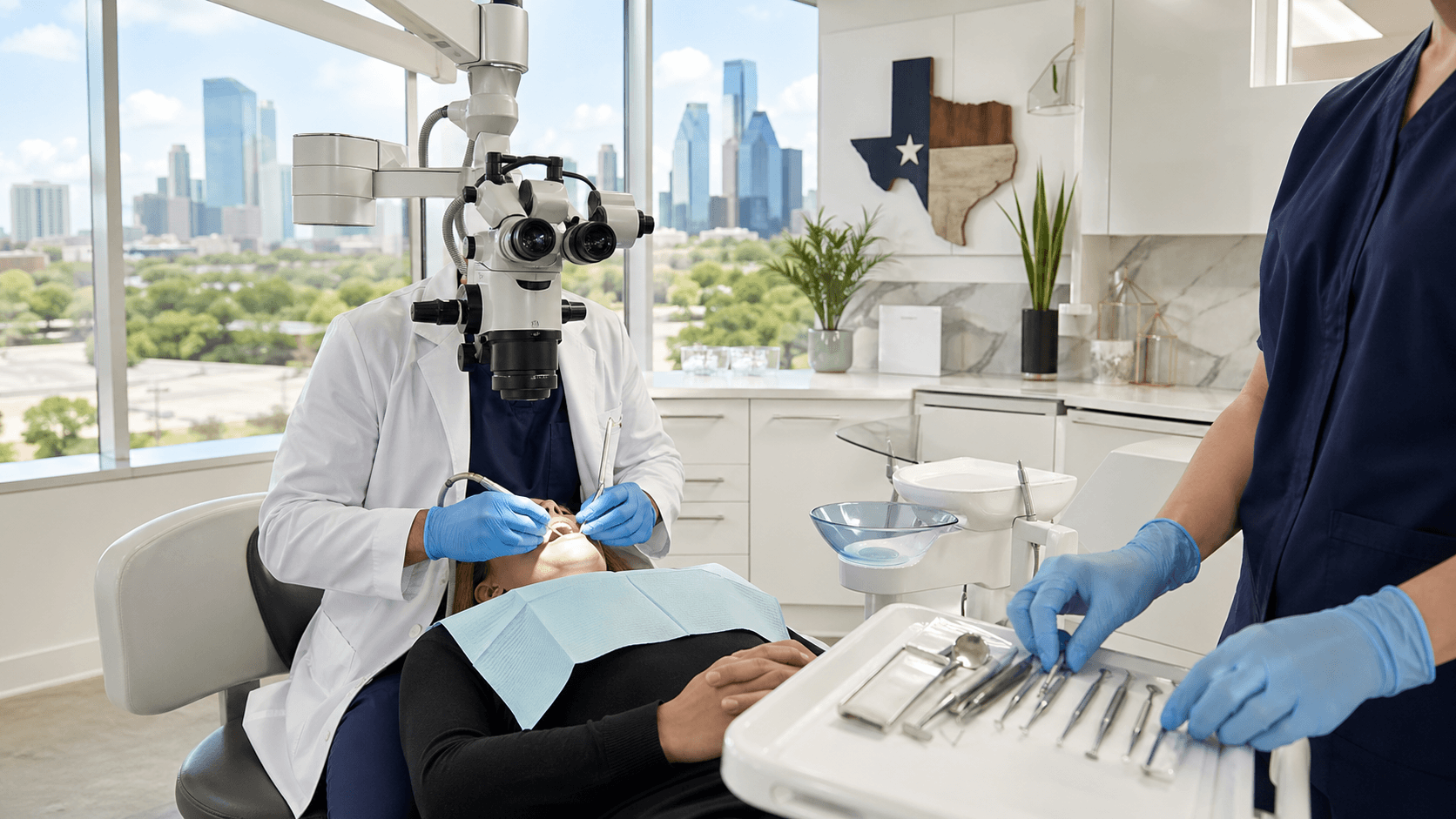
Once we know what’s happening, we walk through the next steps. If a root canal is needed, we carefully numb the area to avoid discomfort and begin the process of cleaning out the infected tissue. All through the visit, we check in to make sure things feel okay and adjust as needed.
Some of what happens during an urgent visit includes:
- Quick but thorough exam of the mouth
- Digital X-rays to spot infection or damage
- Talking through treatment options based on what we see
- Managing pain right away so you can relax
- Starting the procedure the same day if possible
Getting treated early lowers your risk of bigger problems, and when someone comes in during the early signs of trouble, we often can help right away.
Our office provides a relaxed environment and, if needed, sedation options to keep even nervous patients comfortable during emergency root canal visits.
What Recovery from a Root Canal Looks Like
After a root canal, most people are surprised at how quickly they feel better. The sharp pain usually stops fast once the infection is gone. There might be some soreness in the area treated, especially when chewing, but it fades within a few days.
You can help speed up healing and stay comfortable with a few simple steps:
- Stick to soft foods for a day or two
- Avoid chewing on the side that was treated
- Use a cold pack on the outside of your cheek if swelling shows up
- Take medicine if prescribed or use over-the-counter options based on instructions
- Keep brushing and flossing gently to help your gums recover
Most people go back to work or school the next day feeling much better. The treated tooth may be sensitive for a short while, but that fades soon, especially once a final cap or crown is placed to protect it.
It’s a relief to know that a root canal does not remove your tooth, but rather saves as much of the healthy structure as possible. Sometimes patients are worried about the look or strength of their tooth after treatment, but modern materials help us restore the tooth to look and function just like it did before.
Recovery advice usually focuses on being gentle with the treated area and watching for any unusual swelling or discomfort. A follow-up appointment may be recommended to ensure healing is on track and to finish the process by placing a permanent crown to fully protect the tooth.
Keeping Teeth Healthier This Spring and Beyond
Heading into spring with clean, healthy teeth can make the whole season feel lighter. Regular brushing, daily flossing, and routine checkups help lower your chances of having to rush in for urgent care. But pain doesn’t always give us a warning, so it's worth paying attention to signs early.
If a tooth feels off for more than a day, if chewing feels different, or cold drinks sting when they didn’t before, don’t wait to call it out. It's usually easier to fix problems early, before they spread and turn into something more serious.
Spring always brings more to do, whether it’s traveling, spring cleaning, or making plans with friends and family. Taking care of a painful tooth before it ruins your schedule is worth it, and fast care can make a big difference in how confident and comfortable you feel. Safeguarding your smile now can help avoid surprises later.
Sudden tooth pain can disrupt your day, but acting quickly can make all the difference. Our experienced team at Palm Center Dental is here to examine the issue, provide immediate relief, and deliver solutions that help you get back to feeling your best. Getting an emergency root canal in Houston, TX could be the key to protecting your smile and restoring your comfort. We’re ready to help you regain clarity and relief when it matters most, call us today to schedule your urgent visit.