Getting a dental implant might sound like a big step, and in some ways it is. But for many people who are missing a tooth, it’s one of the most dependable ways to bring back comfort, confidence, and function. Planning dental implant surgery in Houston, TX during the spring can make things easier too, especially with the weather warming up and calendars opening a bit more.
If this is your first time learning about implants, you might not be sure what actually happens during the process. That’s what we want to walk through here, step by step, in plain terms, so you know what to expect and feel ready.
Why Dental Implants Are Used
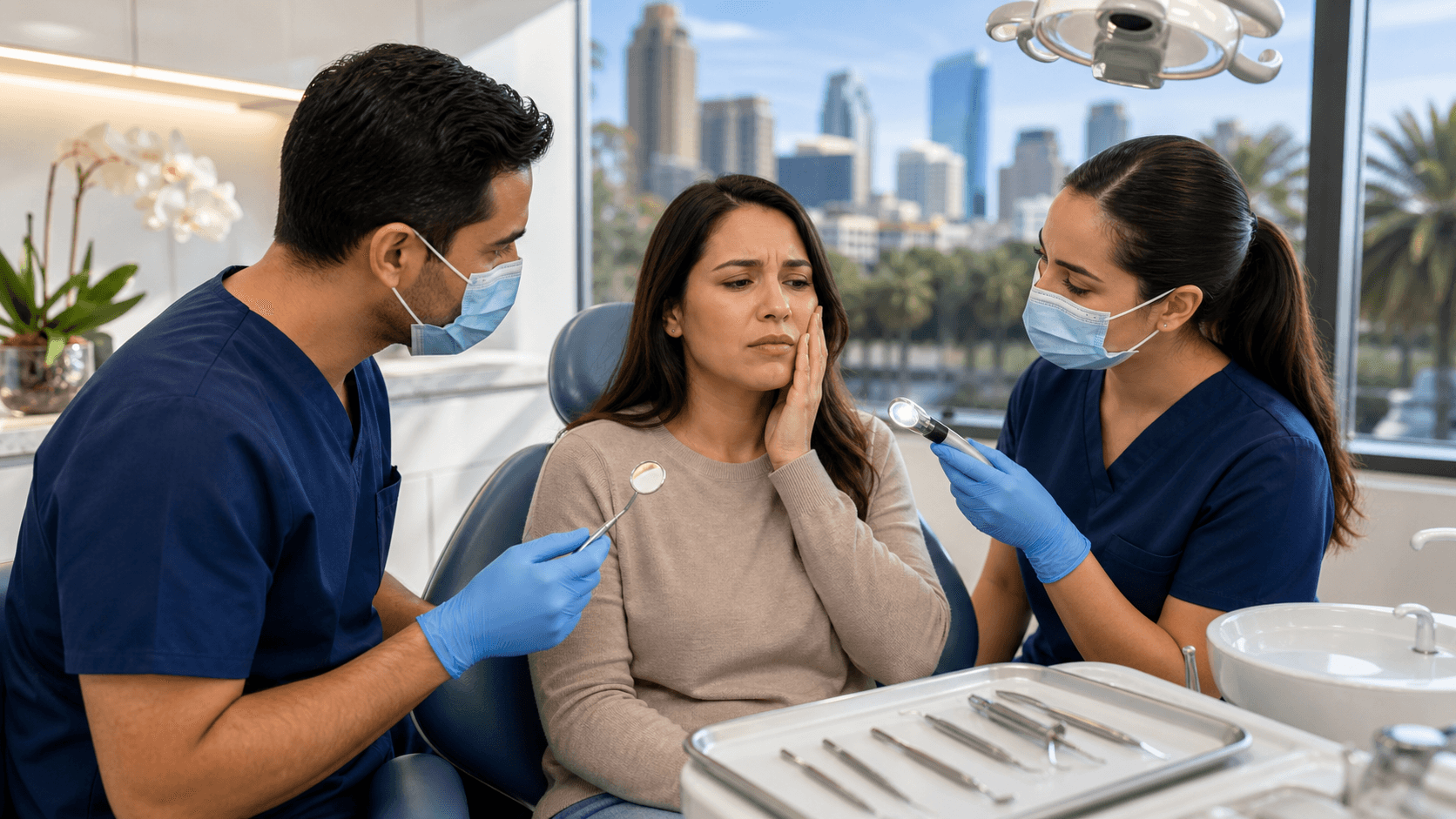
Dental implants are used when a tooth is lost or needs to be removed. This might be because of an injury, serious decay, or bone loss that made the original tooth unstable. Once that tooth is gone, the gap can lead to problems with biting, chewing, and even speaking. And sometimes, nearby teeth start shifting into the open space.
Implants work a bit like anchors. They go into the jawbone and replace the role of a tooth root. Over time, that implant becomes secure in the bone, and we recreate the part you can see, the crown, that looks and feels like the missing tooth. This way, your chewing stays strong, and your smile stays complete.
Palm Center Dental uses 3D digital imaging to plan each implant surgery, ensuring optimal placement and comfort while protecting nearby teeth and tissue.
Step One: Getting Ready for the Procedure
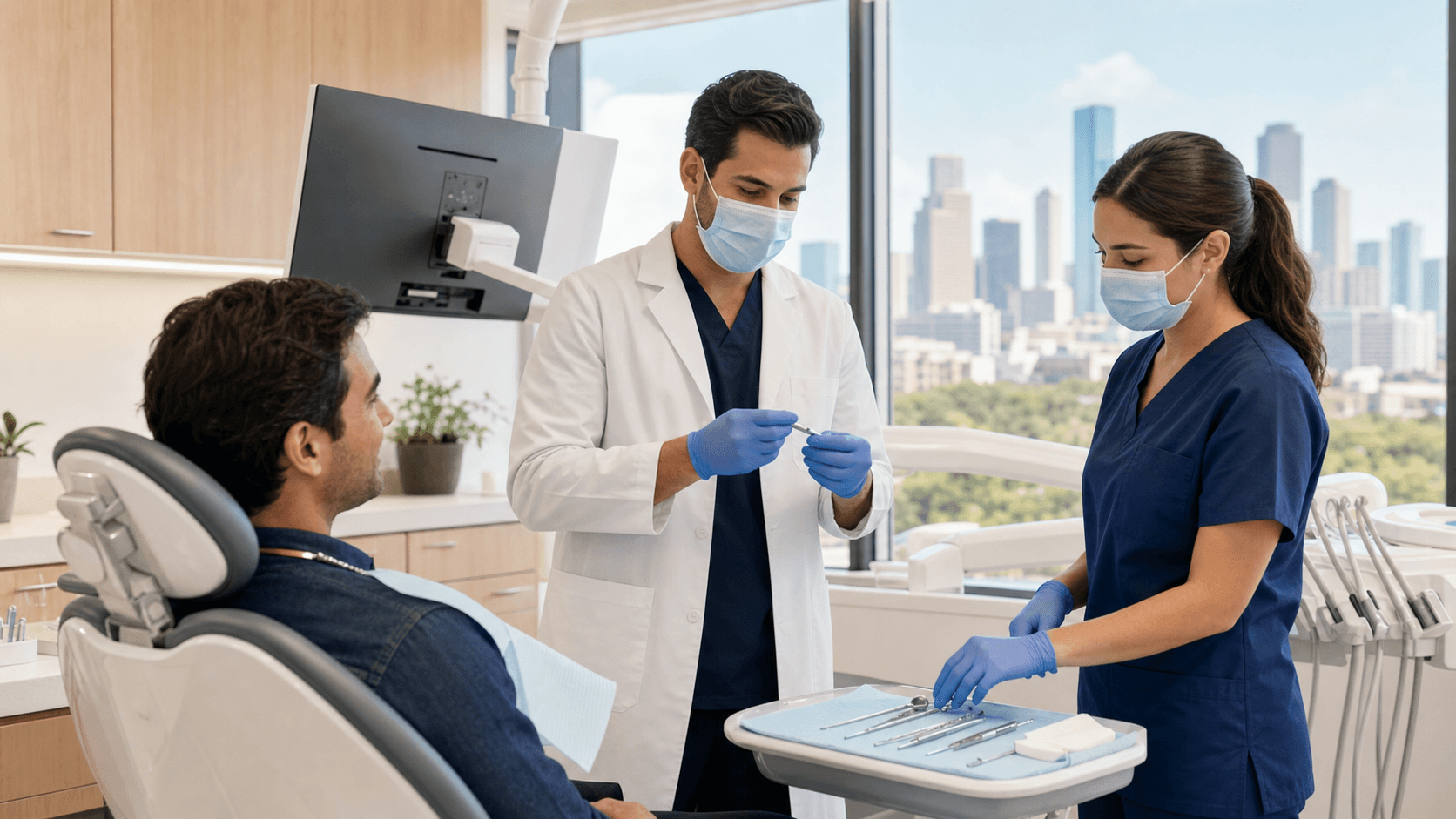
We don’t jump right into surgery. It starts with a good look at your mouth and overall health. Preparation includes:
- A full dental exam so we can see where the implant is needed
- X-rays or digital scans to check bone levels and the space where the implant will go
- Reviewing your dental and medical history to make sure surgery is safe for you
These planning steps help build a safe, predictable process. Your dentist in the Houston area will want to know about any medications you're taking. In some cases, you might need to adjust them slightly. If you’re dealing with other conditions like diabetes or recent illness, we factor that in too.
You’ll likely want to plan time off after the surgery, even if it’s just a day or two. Spring tends to be a flexible season for many, especially with school breaks and lighter work obligations in Houston, Texas.
Step Two: Placing the Implant
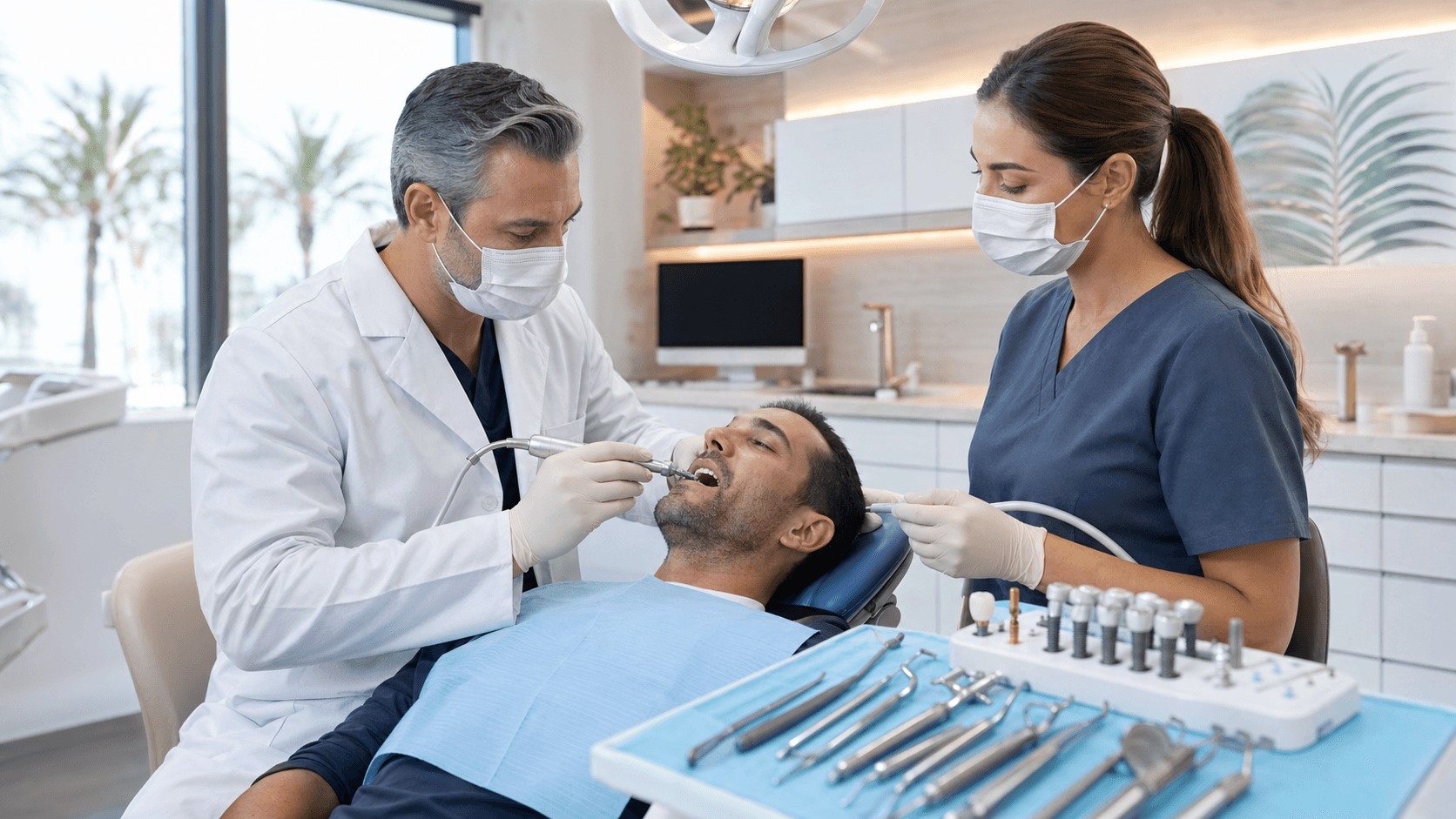
The day of surgery usually takes place in a dental office, not a hospital. That’s good news, it’s local, familiar, and simpler to schedule.
Here’s what to expect:
- First, we numb the area around the missing tooth
- A small opening is made in the gum so we can access the bone
- The implant is placed into the bone where the tooth used to be
- Then we close the gum tissue over it or around it, depending on healing needs
You shouldn’t feel pain during this part because of the numbing. Some people walk out feeling a little pressure or swelling, but it’s usually mild and managed with rest and soft foods. Since spring in Houston doesn’t bring freezing temperatures, healing tends to stay consistent without the setbacks that cold or dry air might sometimes cause.
Palm Center Dental offers sedation options such as nitrous oxide to help keep patients comfortable and relaxed during dental implant placement.
Step Three: Healing and Bone Connection
Once the implant is placed, your body starts doing the real work, healing. The goal here is for the jawbone to grow around the implant and hold it firmly in place.
This healing process is called osseointegration. It doesn’t happen overnight. It can take several weeks or a few months, depending on how your body reacts and how much bone was there to start with.
We’ll bring you back for follow-ups during this stage, just to make sure everything looks healthy and the implant is staying stable. Your gums might need a little time to settle, and we’ll want to keep the area clean and free of pressure. Sometimes we use a temporary tooth to cover the space while the implant heals underneath.
Every person’s healing timeline is slightly different. Factors like age, medical history, how strong your jawbone is, and even how you care for your mouth during recovery all play a part.
Step Four: Adding the Final Tooth
After the implant is solid in the bone, we move to the final step: placing the permanent tooth. This happens in two parts.
- We add a small piece called an abutment. This connects the implant to your new tooth.
- Then we attach a crown, which is made to look and feel just like the tooth it’s replacing.
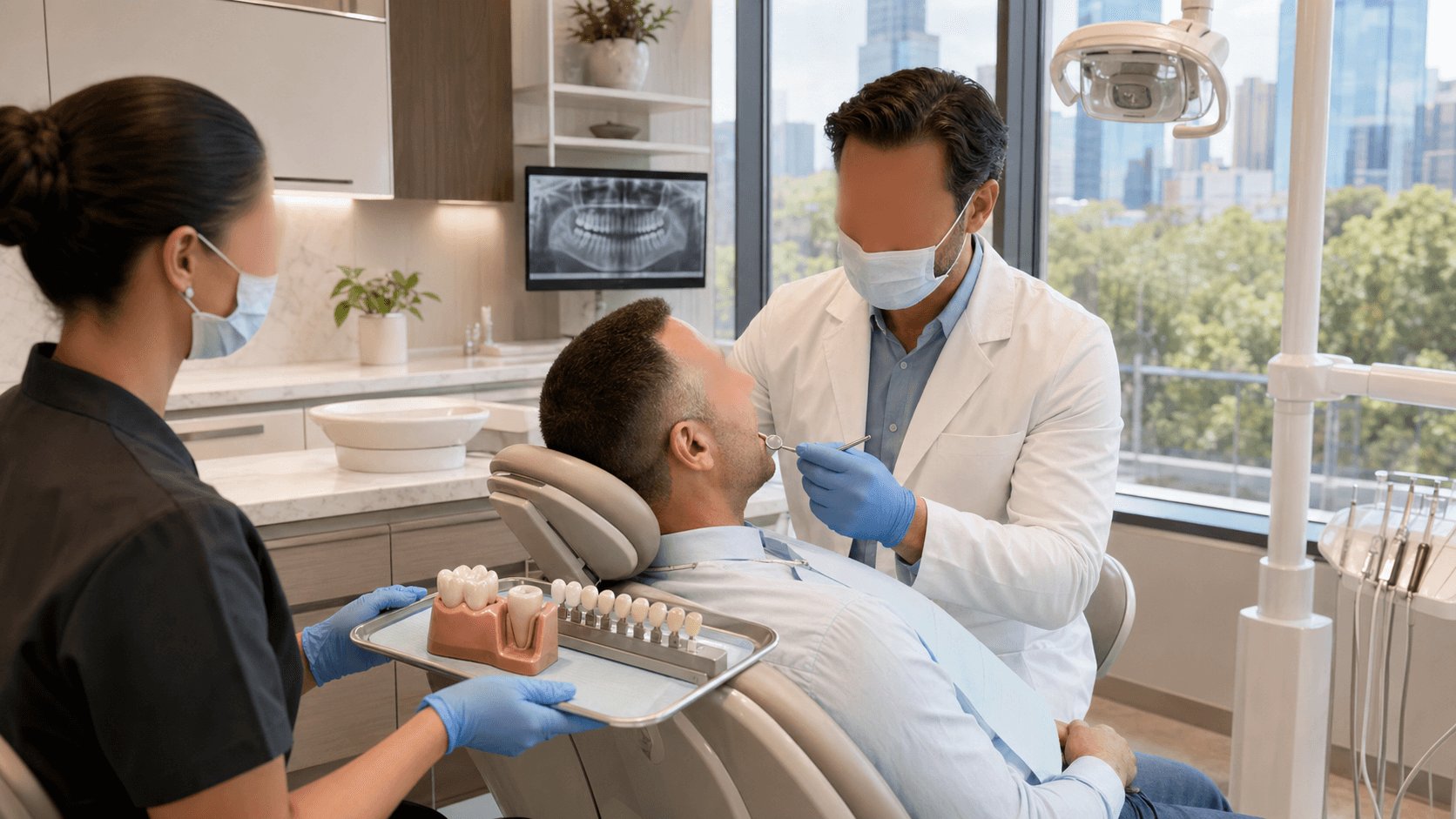
The crown is custom-made. Its shape, color, and size are created to match the teeth around it so that it blends in without standing out. Once it's in place, it works just like a natural tooth.
The finished implant can help with chewing tough foods, speaking clearly, and smiling with more confidence. And it doesn’t move, shift, or come out like a denture might.
Palm Center Dental uses ceramic and zirconia crowns for strong, natural-looking implant restorations that are matched perfectly to your surrounding teeth.
A Stronger Smile Starts with Good Planning
Dental implant surgery has four key steps: preparation, placement, healing, and finishing with a crown. Each part builds on the one before it, and most people find that having a clear idea of what’s coming helps ease any nerves.
Spring in Houston is a good time to begin because schedules are often lighter and the warm weather gives us more flexibility for recovery. Whether you’ve been missing a tooth for a while or just learned it needs to come out, planning ahead can make the process feel less overwhelming and more manageable. Every part has its own rhythm, and we’re here to help you through each one.
Spring is a wonderful time to consider a permanent solution for a missing tooth, and our team at Palm Center Dental is here to support you every step of the way, from initial preparation through healing and your final crown. As your trusted partner, we’ll help determine if you’re a good candidate for dental implant surgery in Houston, TX and guide you through the process so it feels straightforward and comfortable. Reach out to schedule your visit and discover how we can help you feel confident and ready to smile again.