When a dental bridge feels off, breaks, or loosens, even simple things like chewing or smiling can become frustrating. Bridges are meant to give us back function and comfort, but if one starts to shift or crack, everyday routines can turn into small struggles. Many people in Houston have bridges and may not be sure what to do when theirs doesn’t feel right anymore.
Getting help with dental bridge repair in Houston, TX can bring relief and help keep your smile working like it should. Instead of waiting and hoping it fixes itself, finding out what your options are makes a big difference. Most bridges don’t suddenly fail. They usually show signs that something is off. Knowing those early signs and common causes can help you take the next step before the problem grows.
Common Reasons Dental Bridges Get Damaged
Dental bridges are built to last, but like anything used day after day, they can wear down or get damaged.
- One of the most common reasons is simple wear and tear. Chewing on hard or sticky foods every day puts lots of pressure on the bridge. Over time, it can crack or weaken.
- Sometimes, the teeth under the bridge shift. This can cause the bridge to loosen or feel out of place. Once the support teeth move, the whole structure becomes unstable.
- Accidents also happen. A hard bite into something unexpected or even a small hit to the mouth can cause damage, especially if the bridge was already under strain.
Palm Center Dental offers comprehensive dental bridge repair as part of our prosthodontic services, including adjustments, re-cementation, and replacement for both single-tooth and multi-tooth bridges.
Over time, changes in how teeth fit together can make a bridge stop working the way it once did. Paying attention to how your bite feels can help catch problems early.
Signs Your Dental Bridge Might Need Repair
It’s not always easy to tell when a bridge is in trouble, but there are a few things worth watching for.
- If your bridge moves or shifts while brushing or eating, don't ignore it. Bridges should feel solid.
- Pain or pressure near the bridge, even light discomfort, can be a sign that something underneath isn’t right. It could mean a problem with the tooth supporting it.
- Any visual changes matter too. Chips, cracks, or small gaps where food keeps collecting are signs a repair might be needed.
- A change in your bite or chewing pattern might also point to a loose or damaged bridge, especially if your teeth don’t line up the way they used to.
The sooner these signs are noticed, the easier it is to handle the repair without creating bigger issues later on.
How Dentists Fix Damaged Bridges
Fixing a bridge depends on how it's damaged and what caused it. Some repairs are simple. Others take a little more work.
- If the bridge is loose but not broken, it might just need an adjustment or to be re-cemented in place. That often doesn't take long.
- If it’s cracked or chipped, we may need to take impressions and prepare a new one. Once we know the exact problem, we can decide whether the whole bridge or just part needs replacing.
- Sometimes the problem isn’t the bridge itself, but the supporting teeth or gums. In those cases, we may need to treat the area so that a new or adjusted bridge stays firmly in place.
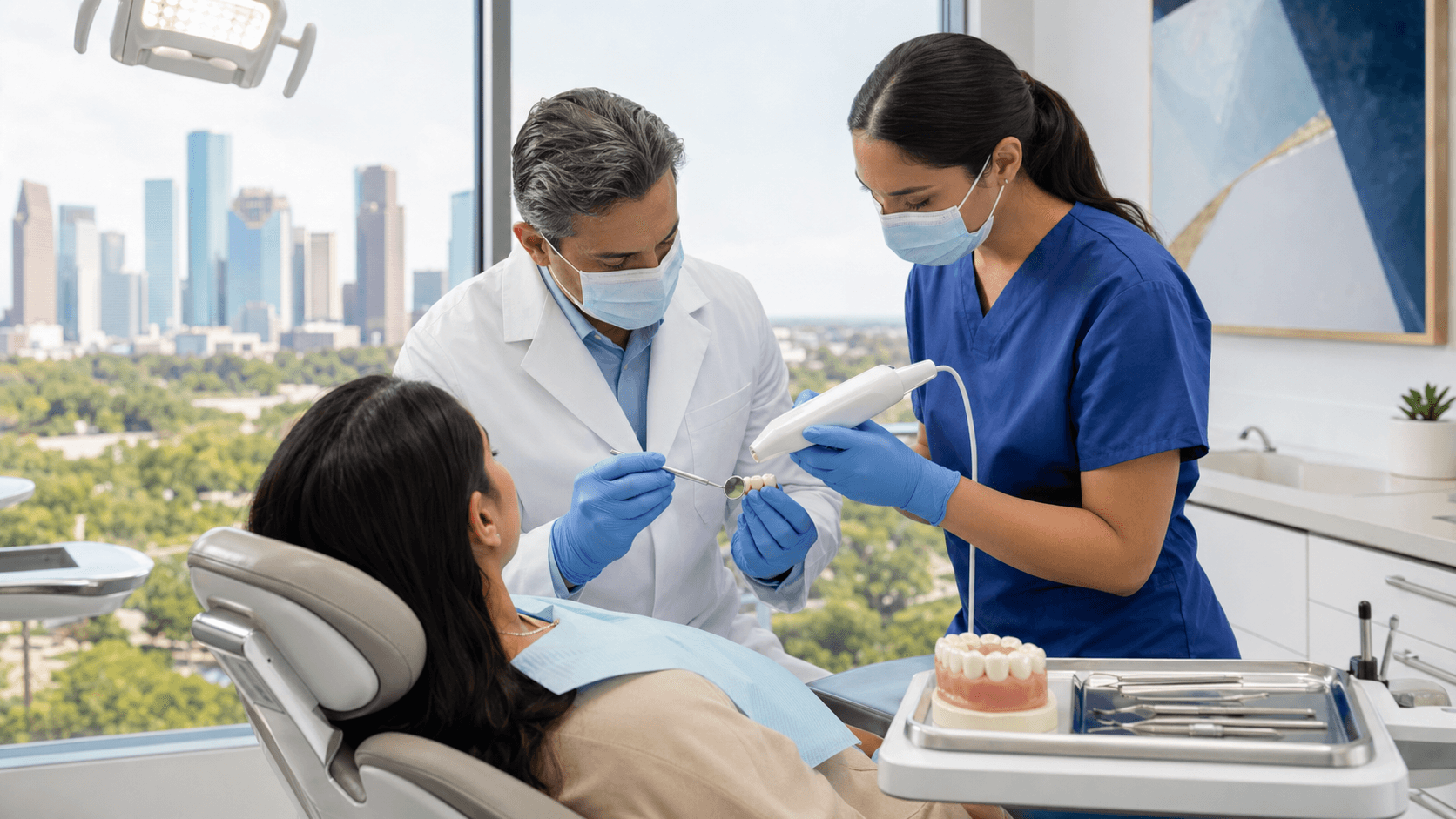
We use digital X-rays and imaging at Palm Center Dental to assess the condition of your bridge and supporting teeth, creating a custom plan to restore comfort and function.
We take time to make sure any fix is suited to the nature of the damage, not just what’s visible on the surface.
What to Expect When You Schedule a Repair in Houston
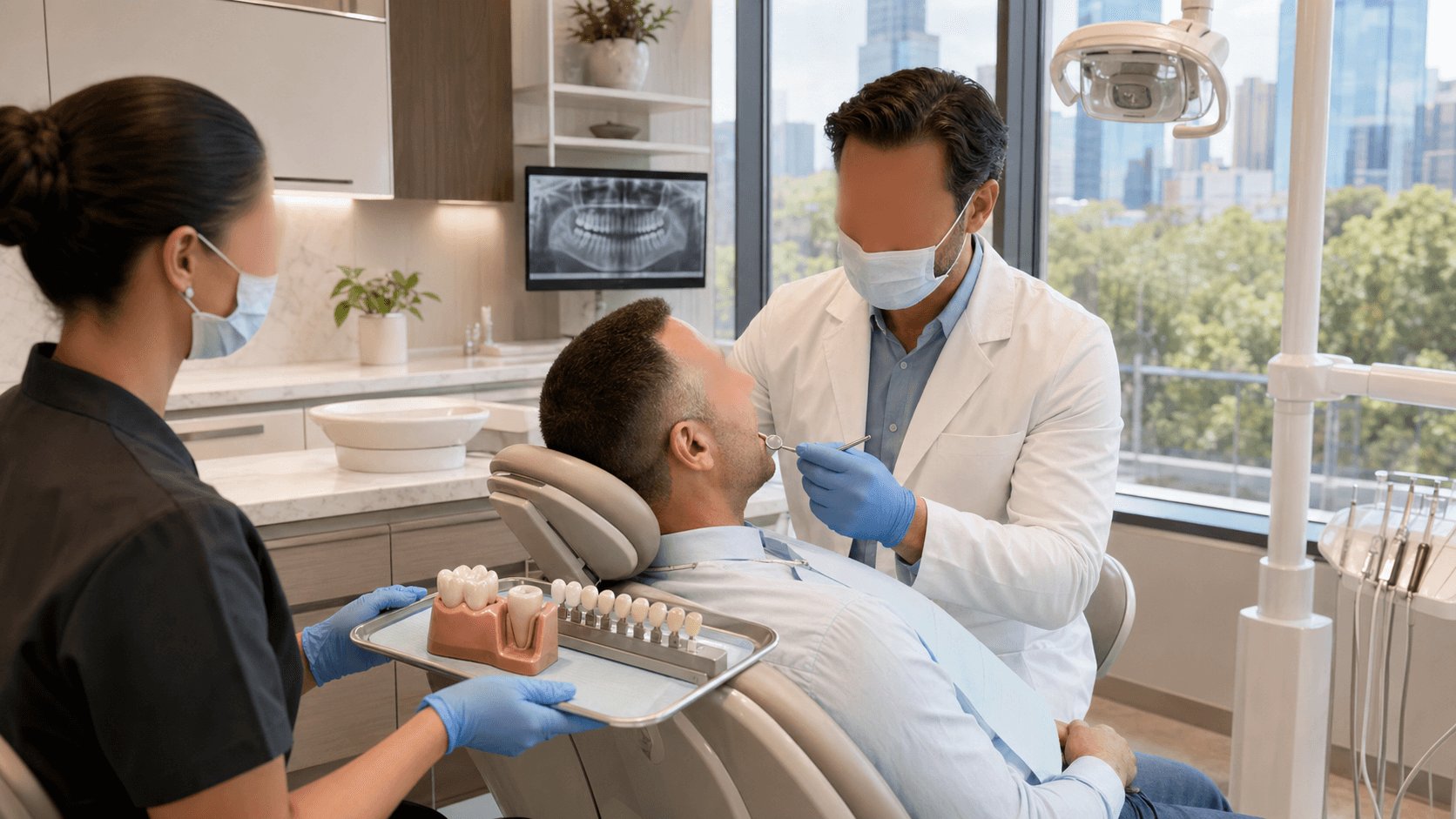
Getting a dental bridge looked at in Houston usually starts with a close exam. That might include a set of X-rays to figure out what’s really going on underneath. We check the bridge, nearby teeth, and your bite to see how everything fits together.
Some repairs are done the same day, especially if they’re small. Others may take a follow-up visit, especially if a new bridge must be made. No matter the repair, the goal is to make the fix feel natural and keep everything comfortable moving forward.
Most people don’t need much prep before coming in. Just let us know what’s been bothering you. We walk through everything clearly so you know what to expect and what happens next.
Why Acting Soon Helps Prevent Bigger Problems
Waiting on a bridge repair can turn a small fix into something more serious over time. That's why we always encourage action sooner rather than later.
- When a bridge isn’t stable, it can put extra stress on nearby teeth. That added movement may lead to gum issues, shifting teeth, or even tooth damage.
- Delay can also mean plaque builds up in new spaces left by the loosened bridge, which may lead to decay.
- Getting dental bridge repair in Houston, TX as soon as problems show up can help keep everything aligned properly and make future repairs easier.
The sooner we see what’s going on, the better chance we have to solve it easily and avoid permanent damage.
Keep Your Smile Strong and Comfortable
A dental bridge should feel comfortable and make your daily routine easier. If it starts to feel loose or bothers you during normal activities, that’s our cue to check things out.
Small changes, like a shift in your bite or added pressure on one side, can snowball if they’re ignored. That’s why paying attention to those early signs and coming in when something feels off often means a simpler fix.
Regular check-ups and noticing when something doesn’t feel quite right go a long way in keeping your bridge steady and your smile solid. Making time for repair when it’s needed helps avoid bigger problems down the road and keeps everything working like it should. In a city like Houston, where life moves fast and meals are bold, it’s especially important to keep dental work strong and steady.
At Palm Center Dental, we understand how frustrating it can be when your dental bridge starts to feel uncomfortable or doesn’t fit securely. Whether the change is minor or you see obvious damage, our team takes the time to determine the cause and help you feel at ease. Noticing a difference in how your bridge functions could mean it’s time for a closer look. See how we handle dental bridge repair in Houston, TX and what the next steps are. Give us a call and let us help you get your smile feeling like itself again.