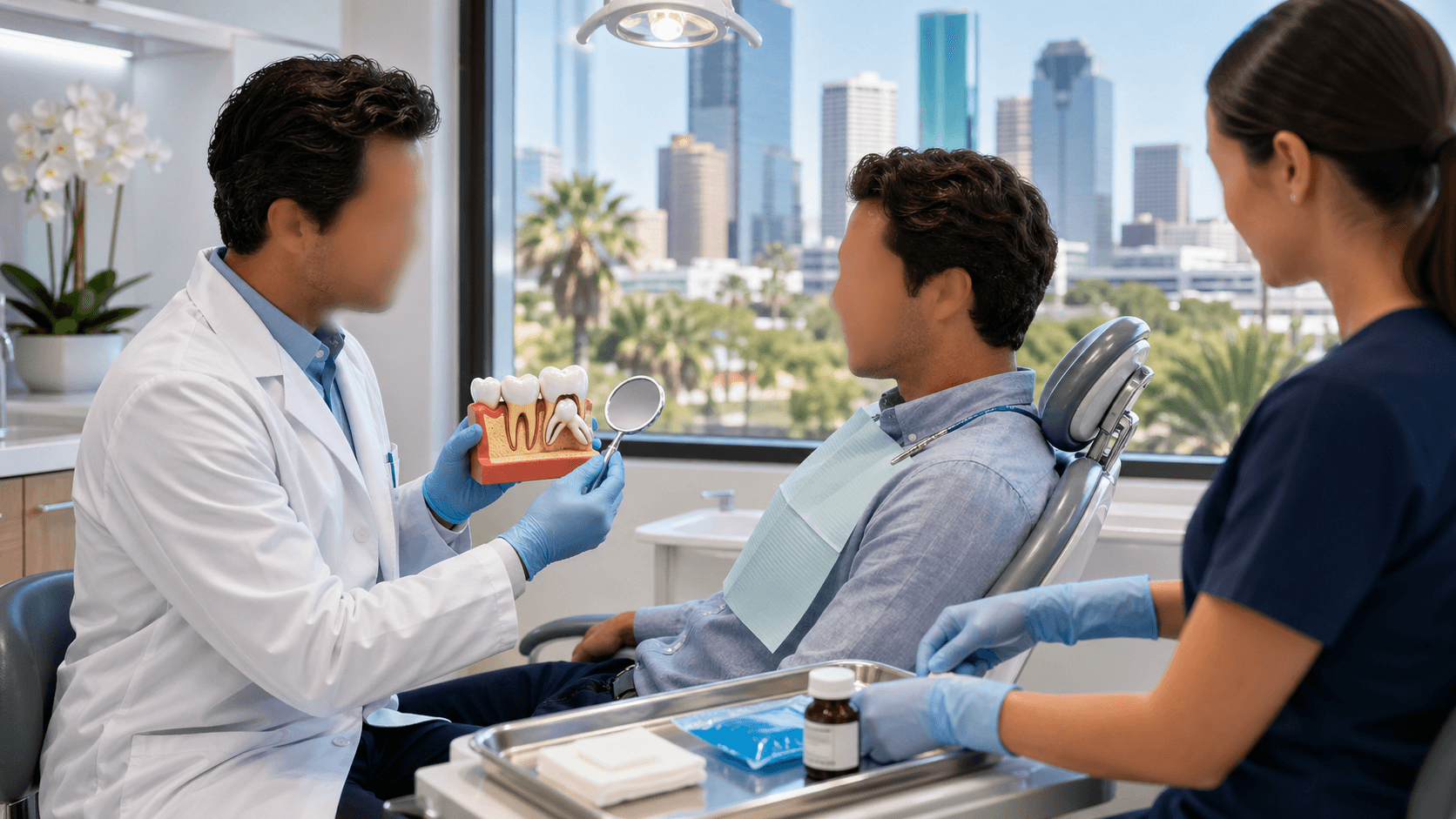
Winter is a good time to take care of small to-do list items that tend to get brushed aside during the rest of the year. One of those often-overlooked tasks is dealing with wisdom teeth. With school on break, fewer work meetings, and cooler weather keeping us indoors more, it’s a smart time to plan a small dental procedure like wisdom teeth removal in Houston, TX. Getting this taken care of now means fewer distractions once spring activities pick up.
Whether you're already dealing with mouth discomfort or just trying to get ahead of future problems, it helps to know what you’re walking into. We’re going to share what wisdom teeth are, how to know if they should come out, and what to expect if they do. We’ll also offer a few tips to make recovery smoother during the colder months here in Houston.
What Wisdom Teeth Are and Why They May Need to Come Out
Wisdom teeth are those last set of molars at the very back of your mouth. They usually show up between the late teens and early twenties. Some people never have problems with them. For others, these teeth can cause big issues if there isn't enough room in the mouth.
Here’s why they often need to come out:
- They can grow in crooked, pressing into other teeth and causing discomfort
- They may stay partly or fully under the gums, which can lead to swelling or infection
- They can crowd existing teeth, undoing years of steady alignment
A regular dental exam is the best way to know if there’s a problem before it gets worse. Images like X-rays can show what’s happening beneath the surface, even if everything feels fine right now.
Palm Center Dental provides comprehensive wisdom tooth evaluations, using digital X-rays to spot emerging problems early and recommend the right timing for removal.
Signs It Might Be Time for Removal
Even if your wisdom teeth haven’t caused problems yet, it’s a good idea to stay alert to signs that something is changing. During the winter slowdown, you might have more time to notice small discomforts that used to be easy to ignore.
Watch out for:
- Soreness in the back of your jaw or gums
- Swelling near your molars that doesn’t go away
- A tight feeling when chewing or biting
- Movement or shifting in your other teeth
- Pressure building near your ears or jawline
These signs don’t always mean surgery is needed right away, but they do mean it’s time for a closer look. Acting ahead of bigger issues can help you avoid infection, missed work, or pain that shows up when you least expect it.
How to Get Ready for Wisdom Tooth Surgery
If your dentist recommends having your wisdom teeth removed, planning ahead can make the day much easier. A little prep goes a long way, especially this time of year.
Here are a few things to consider as you get ready:
- Pick a day for the appointment when you can rest after
- Ask about how long recovery might take and what to eat afterward
- Line up someone who can drive you home if you receive any sedation
- Lay out a spot at home where you can relax comfortably, with soft pillows and light snacks
- Expect milder weather in January in Houston, with lower humidity and cooler air that can make staying home feel extra cozy
For patients who may be anxious about surgery, Palm Center Dental offers sedation options like nitrous oxide so that you can feel more at ease throughout the process.
Winter often means fewer interruptions. If you're already off school or keeping a lighter schedule, you won’t have to miss as much. And cooler months are generally a better time to rest indoors without feeling like you’re missing out.
What Recovery Looks Like and How to Make It Smoother
Once your wisdom teeth are out, the area will need a few days to settle. For most people, recovery is pretty simple. The first couple of days may bring some swelling or soreness, and soft foods are usually best.
To help things go smoother:
- Keep cold packs nearby to ease puffiness
- Drink room-temperature water and avoid using straws
- Stick to soft foods like yogurt, applesauce, and mashed potatoes for a few days
- Take it slow, rest as much as you can, especially the first day
- Prop your head up slightly while sleeping to reduce swelling
Since winter break often comes with quiet evenings, fewer errands, and less running around, many people find it easier to stay on track with recovery. You're not pushing yourself to get to every sports practice or school event, so your body gets a better shot at healing well.
When to Call the Dentist After Surgery
Most people heal without any problems, but it’s good to have a sense of what’s normal. Some soreness, mild swelling, and a little low-energy feeling are all regular parts of healing. But certain symptoms could mean something’s not quite right.
Call your dentist if you notice:
- Bleeding that doesn’t slow down after the first day
- Pain that gets worse instead of better
- Signs of fever or feeling very unwell
- A strange taste that doesn't go away
- Swelling that doesn’t go down or gets worse after a few days
We always encourage our patients to check in if they’re unsure. A quick call is easier than waiting and wondering. Mouth healing should move in the right direction, and if something feels off, it’s better to speak up early.
Start Spring with a Healthier Smile
Winter is a great window for something like wisdom tooth care. Taking care of it now can save you time and discomfort later down the line. Once it’s done, you won’t have to fit it into your spring schedule alongside travel, graduations, or sports.
Cooler weather, a helpful break in the routine, and lighter schedules make it easier to rest and heal without a lot of pressure. When you're feeling better and your mouth is more comfortable, it sets the tone for the season ahead. Spring is a whole lot more pleasant when you’re not working around mouth pain.
Winter offers an ideal time to address your wisdom teeth, as your schedule may be lighter and cooler weather makes recovery more comfortable. At Palm Center Dental, we’re here to help you stay ahead of discomfort and prevent future dental surprises. To learn if you’re ready for wisdom teeth removal in Houston, TX, contact us today to schedule a visit that fits your winter plans.