Cooler weather can bring a few surprises to how your mouth feels, especially if you wear dental prosthetics. While Houston winters are usually mild, the small drop in temperature or the drier indoor air can still make a noticeable difference in day-to-day comfort. People often do not think about how the season can affect things like dentures or implants, but the way your mouth reacts to changes in the air or your schedule really does matter.
Different prosthetics can feel and function in different ways this time of year. Whether you wear dentures, a bridge, or something more permanent, it helps to know how winter changes might impact the way things fit or feel. Many people managing dental prosthetics in Houston, TX use the winter season as a good time to check on comfort and care before spring routines get too busy. A few small tips now can save you from bigger hassles later on.
Types of Dental Prosthetics and How They Work
Not every prosthetic fits the same way, and each type serves a different purpose. Some are fixed, and some are removable. Here are a few common ones people use to fill gaps or protect damaged teeth.
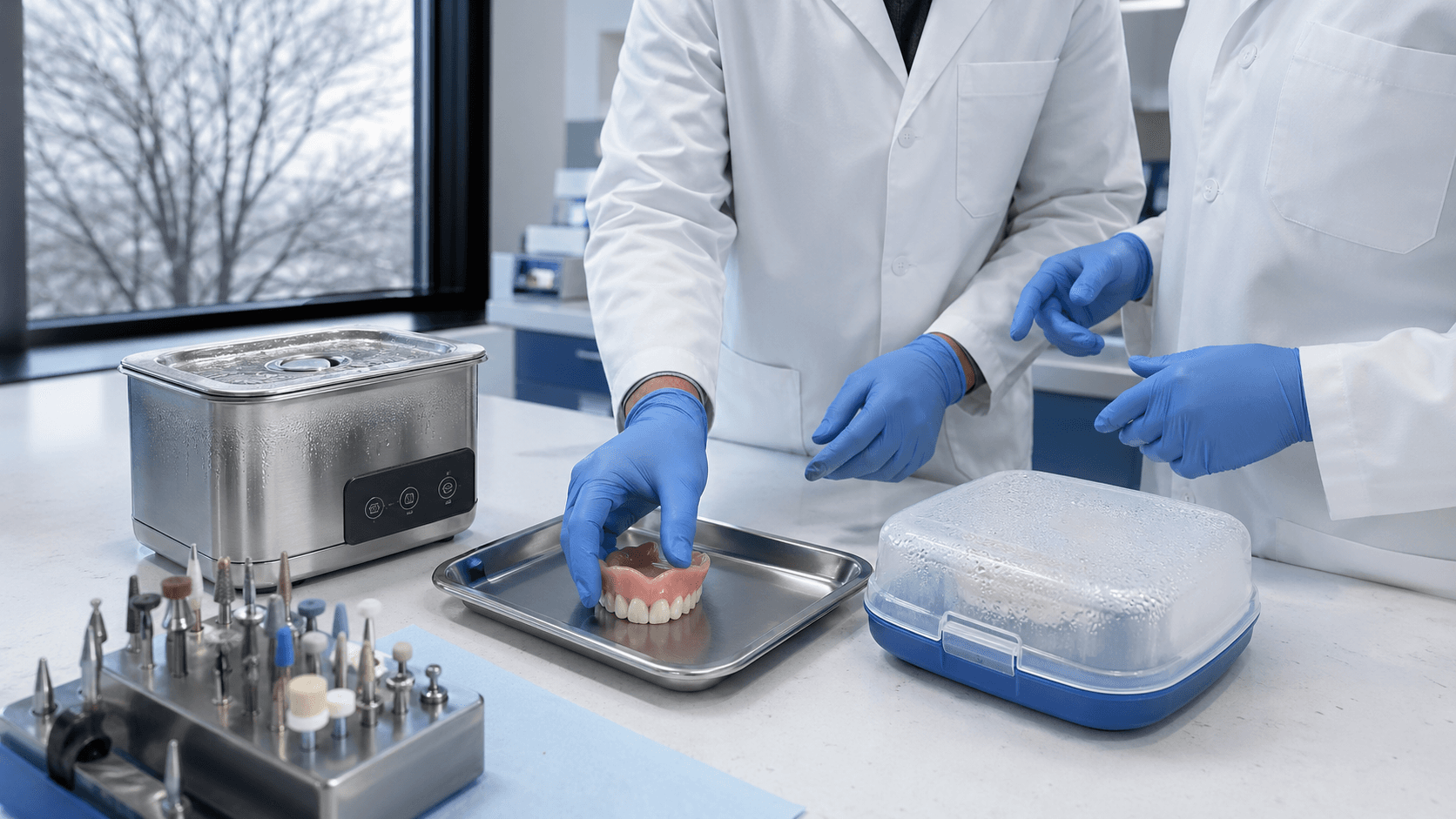
- Dentures are removable and replace all or most of your teeth. They rest on the gums and need to be taken out at night.
- Partial dentures replace just a few missing teeth. They usually connect to nearby teeth or rest on a base that sits along your gums.
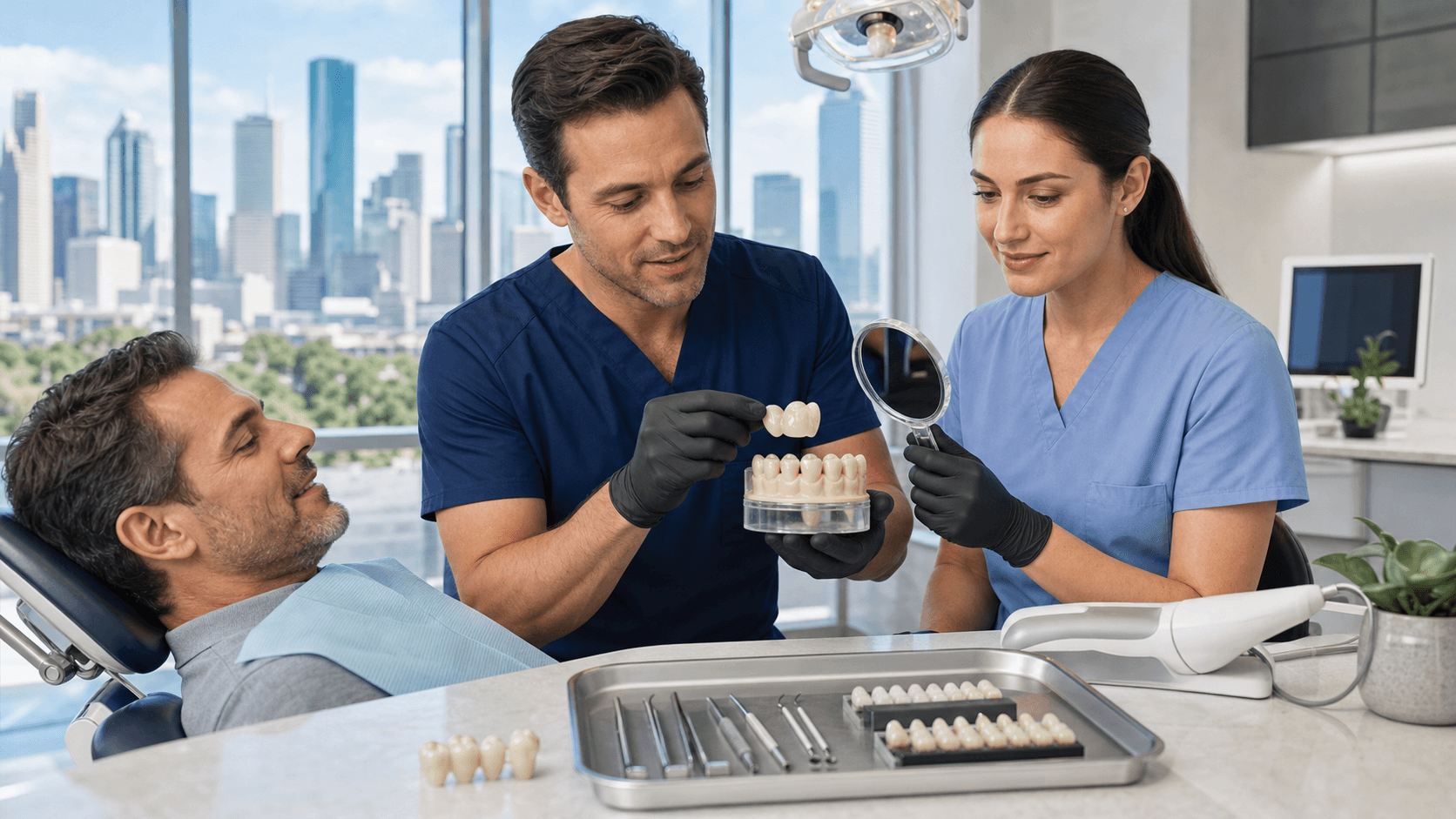
- Bridges span the gap left by one or more missing teeth. They connect to natural teeth or implants on either side.
- Dental implants involve a post placed into the jawbone, topped with a crown or bridge. These stay in your mouth and act a lot like a real tooth.
Palm Center Dental offers a full range of dental prosthetics, including partial and full dentures, fixed and removable bridges, and dental implants, so every patient can find a solution that fits comfortably and supports daily life.
Materials like metal, acrylic, or porcelain can react a bit to changes in temperature. That means a prosthetic might feel a little different on a chilly morning compared to a warm afternoon. Even small shifts can affect how something rests on your gums or connects to nearby teeth.
How Winter Conditions Can Impact Prosthetic Comfort
Mild as it may be, Houston’s winter can still create conditions that your mouth notices. Some people feel a bit more sensitive in places where metal touches soft tissue. Others may notice their prosthetic gets tighter or looser during different parts of the day.
Cooler air, especially outside, can make dental materials contract slightly. While you barely feel it, this change can cause discomfort or a shift in fit. On top of that, indoor heaters make the air pretty dry, which can lead to dry mouth. That dryness can make any rubbing or pressure points more obvious, especially if you have a newer device.
You might also notice changes when drinking cold beverages. Some people with implants or metal parts report extra sensitivity around the crown or base during brisk weather or after having something cold.
Common Daily Challenges and Tips for Comfort
Even small changes in the season can bring different kinds of daily issues when wearing prosthetics. The good news is there are comfort habits that help, even during colder months.
- Stick to warm, soft foods when your mouth feels extra sensitive.
- Limit icy drinks that can create that sharp, uncomfortable feeling near metal areas.
- Drink water to help with dry mouth caused by heaters or cold winds.
- Keep prosthetics clean. Food residue or buildup can affect how loose or tight they feel.
- Check fit regularly, especially if your prosthetic clicks or shifts more than usual.
- Try to stick to your normal cleaning and storage schedule, even during travel or holiday visits.
Palm Center Dental recommends regular checkups so we can monitor the fit of your dental prosthetics, address any new discomfort, and make adjustments right away if winter weather is affecting how your device feels.
Changes in your schedule during winter holidays might mean you miss a regular cleaning routine or fall behind on soaking removable pieces at night. That can speed up buildup or lead to discomfort during the day. A little extra attention to care and cleaning can help reduce those problems.
Additionally, it may help to set reminders for your cleaning routine. Consistency matters most even with changes in your daily plans. If you notice any sticking, squeaking, or changes in the way your prosthetic feels, these can be signs that a simple home cleaning or a visit for a professional adjustment may help. Simple routines, even during busy winter months, go a long way toward preventing issues.
When It’s Time to Check In With a Dental Expert
Sometimes, small problems are easy to ignore until they turn into something you cannot skip. Cold weather may not be the cause of the issue, but it can make a bad fit or sore spot feel worse than usual. Knowing the signs can help you decide when it is best to come in for a look.
- Feeling new pressure or pain while eating or talking
- Noticing that a denture or bridge rocks or shifts more than before
- Sore spots along the gums that do not go away with cleaning or adjustment
- A cracked or chipped part of the prosthetic that affects how it fits
Quiet months like February offer a good chance to deal with these issues. If something feels off, getting help now means you can fix it long before the busy spring season begins. Time off from school or work might make winter a more flexible period for appointments or adjustments.
We often talk to people managing dental prosthetics in Houston, TX during this time of year, as they want to check in on how things are fitting and whether a small tweak can make daily comfort better.
Remember, it's easier to adjust or repair a prosthetic before routine picks up in the spring. If you are unsure about a new discomfort, swelling, or fit, reaching out to your dentist can provide peace of mind and prevent more significant repairs down the line. One small visit in the winter can set you up for smoother, more comfortable days as the year moves forward.
A Comfortable Fit Helps You Enjoy the Season
A chill in the air does not mean your smile has to suffer. Whether you wear full dentures or just have one implant, paying attention to how your mouth feels in colder weather can help you stop small problems from turning into bigger frustrations.
This time of year brings a little more time indoors and a bit more quiet in between busy seasons. That makes it a good moment to pause and see how your prosthetics are working with your daily life. Comfortable, clean, and stable prosthetics can help you feel more like yourself as you ease into the rest of the year with confidence and less worry.
At Palm Center Dental, we understand how even slight seasonal changes can impact the comfort of your mouth, especially when you have a device like a denture, bridge, or implant. Winter is the perfect opportunity to make sure everything still fits comfortably. Noticing any shifting or discomfort? Explore your options for dental prosthetics in Houston, TX. We are here to keep your smile healthy and pain-free all year. Contact us today to schedule your visit.