When a tooth goes missing, even just one, it can change how you eat, how you talk, and how confident you feel when you smile. A dental bridge is a simple way to fill that gap with something that looks and feels close to a real tooth. It connects an artificial tooth to the natural teeth next to it, so your bite feels normal again.
This process isn’t just about appearance, though that part matters too. It’s about restoring balance in your mouth and preventing small problems from growing into bigger ones. If you're considering dental bridge installation in Houston, TX, it's helpful to know what each step involves and how the whole process works, especially with winter weather coming in. December in Houston stays pretty mild, which makes this a good time to plan dental work that calls for a bit of healing time.
What a Dental Bridge Does and When It’s Needed
When someone has lost a tooth or more than one, a bridge fills the space with an artificial tooth that fits neatly between the neighboring ones. That tooth (called a pontic) stays in place by being attached to nearby teeth or, in some cases, to implants.
In Houston, people often choose bridges to deal with teeth lost to decay, damage, or gum issues. Some have a missing tooth from an old accident, others notice a back tooth starting to shift after one goes missing. Leaving a space open can invite those shifts or even affect your bite. A bridge helps avoid those side effects.
There are a couple types of bridges you might hear about:
- Fixed bridges stay in place and don’t get removed during the day. Traditional options use crowns on both sides to hold the new tooth in place.
- Removable bridges clip in and out but aren’t used as often unless someone can’t support a fixed one.
If your surrounding teeth are healthy and strong, a fixed bridge is often the preferred option because it stays secure through normal chewing and talking.
Getting Ready for the Procedure
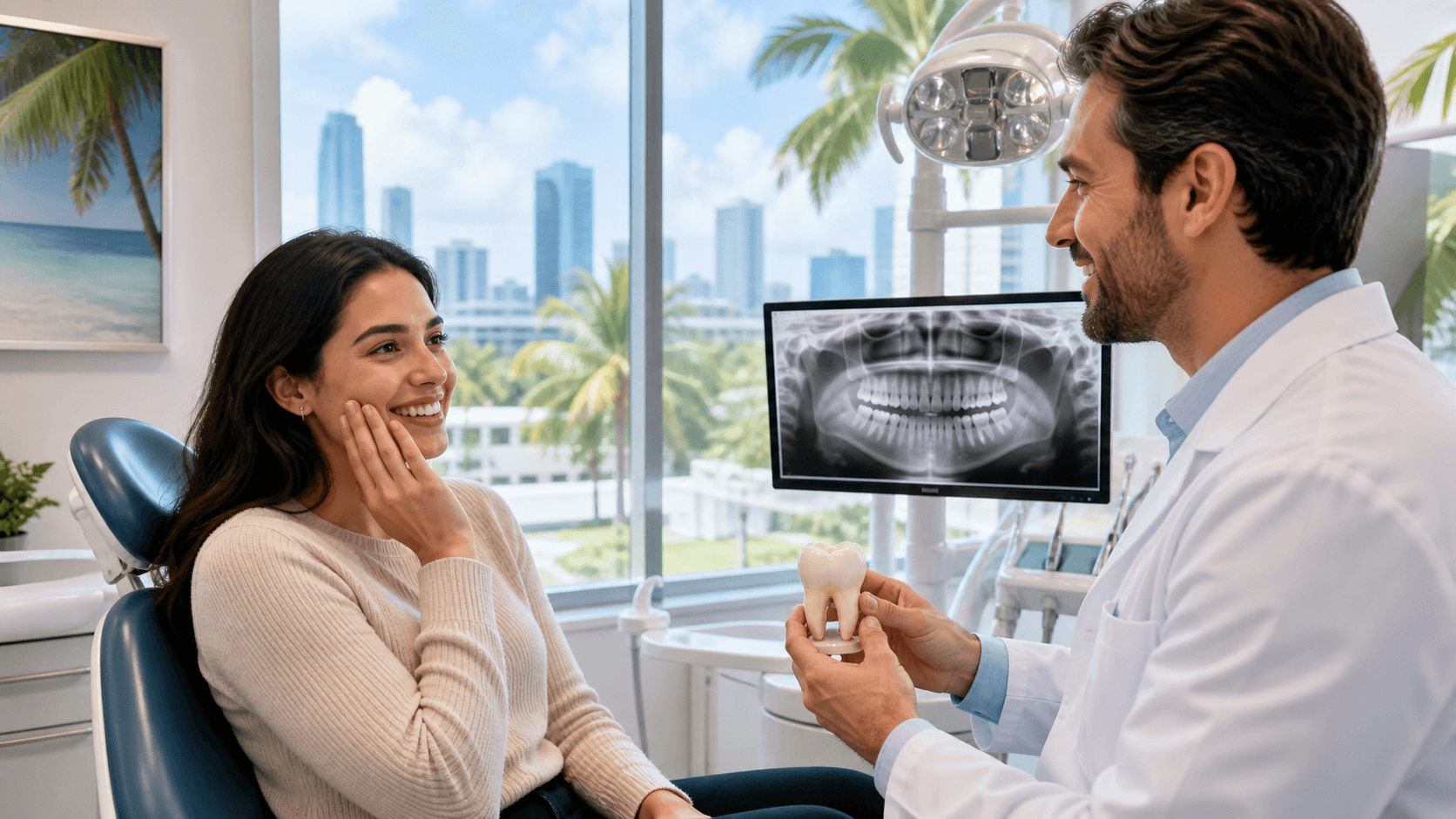
The first step toward getting a bridge is the dental exam. That visit includes x-rays to check both the missing spot and the teeth on either side. We’ll be looking to make sure the teeth that support the bridge are stable enough for the extra work they’ll be doing.
Planning the shape and fit of a bridge depends on a lot of details, including your bite and how the top and bottom teeth line up. The dentist also checks your gums, since they help support the whole area too.
Palm Center Dental in Houston uses digital imaging and custom shade-matching when planning dental bridge restorations. Dr. Ayomide Ogunye takes time to discuss all options, including bridges, dentures, and implants, making sure every patient receives a plan that feels right for their needs and comfort.
In Houston, getting this type of work done in December makes sense. Things slow down a little during the holidays, and our winter weather doesn’t get too cold. You won’t have to worry about freezing temperatures making soreness worse, and you’ll be more comfortable during recovery.
Step-by-Step: How the Installation Works
Once everything checks out, we move into the prep stage. That starts with trimming down the teeth next to the gap. This helps make room for the crowns that’ll anchor the bridge in place on either side. It’s a careful, small change, just enough to help everything fit snugly.
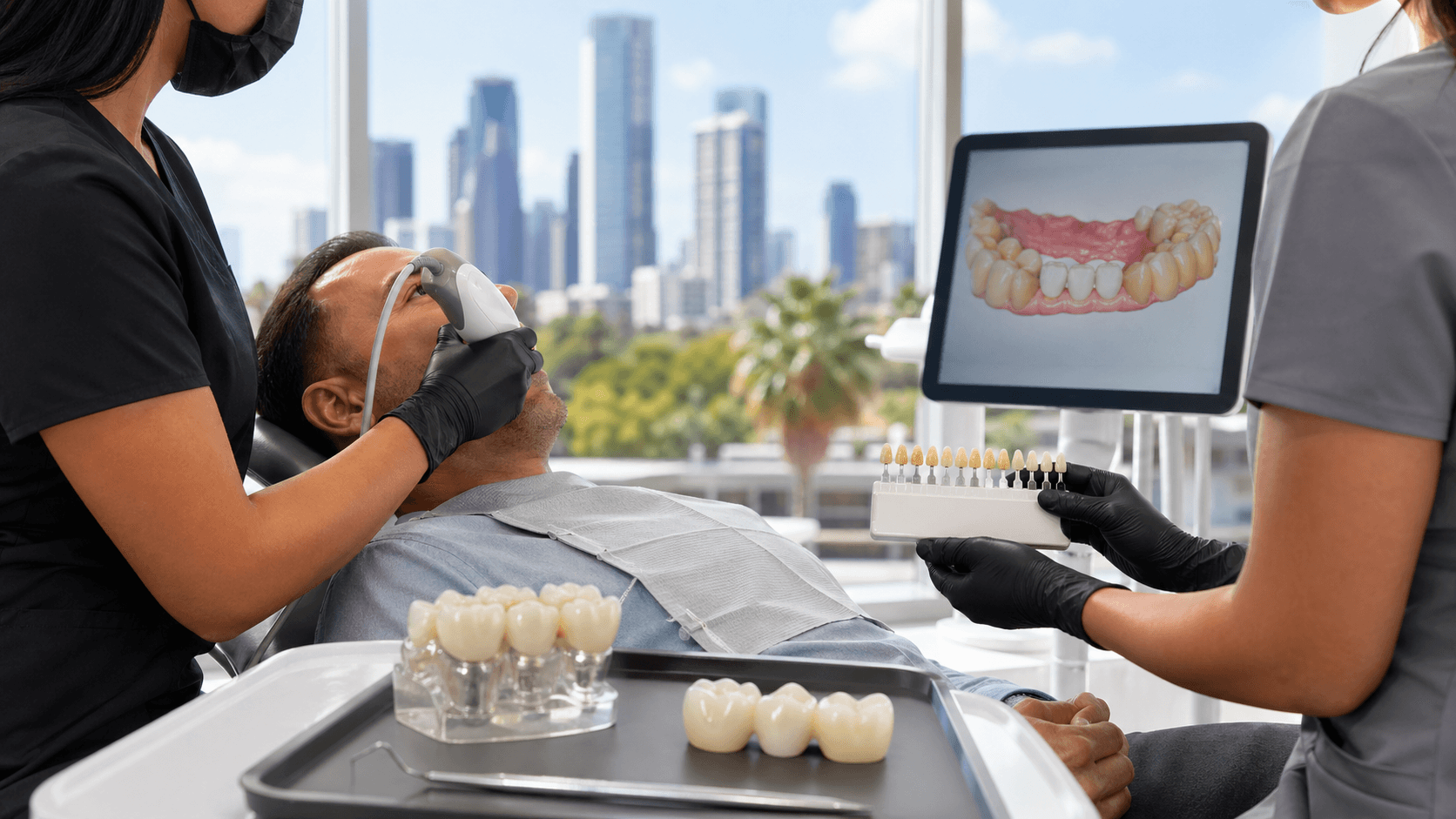
Next, we take digital impressions or molds. These give the lab all the details needed to make a bridge that matches the size, shape, and look of your natural teeth. If you're getting a front tooth replaced, the color match matters even more.
- The teeth beside the gap are shaped to hold crowns
- Impressions or scans are sent to the lab to make the bridge
- A temporary bridge is often placed while the final one is prepared
The temporary bridge does more than just fill space while you wait. It helps protect the reshaped teeth underneath and gives you a chance to get used to speaking and chewing again before the permanent work is done.
When the final bridge comes in, you’ll come back for a short appointment to have it fitted. The dentist checks the fit and bite, then cements it in place. Adjustments are made right then if anything feels a little off.
What Recovery Looks Like and How to Care for Your Bridge
After your new bridge is placed, you might feel a little pressure or mild soreness. That usually eases up after a few days. In the meantime, eating soft foods and chewing on both sides a little evenly can help your mouth adjust more quickly.
Talking sometimes feels a bit different at first too, especially if a front tooth was replaced. Most people get used to it fast, especially with practice and time.
To keep your bridge in good shape:
- Brush twice a day, paying close attention around the bridge
- Use floss threaders or small brushes made for cleaning under and around bridges
- Rinse with water or mouthwash to help keep your gums clear of buildup
Regular care at home matters, but having local follow-up is just as important. Staying nearby for a few weeks after helps if you need small bite adjustments or if any sensitivity sticks around. In a place like Houston, where driving long distances is common, having dental checkups close to home really helps make that follow-up easier.
Your Smile, Your Confidence: Take the Next Step
Missing teeth don’t just change your smile, they can make daily things like chewing and speaking a little uncomfortable. A dental bridge helps give that comfort back and makes your smile feel natural again.
For many people, winter is a good time to take care of procedures like these. If you’re already thinking about a fresh start for the new year, getting your dental bridge installation in Houston, TX before January means you’ll be stepping into the new year with added comfort and peace of mind.
When you're thinking about restoring a missing tooth, getting a bridge could be one of the simplest ways to feel normal again when chewing, smiling, or speaking. A well-made bridge not only fills the gap but protects nearby teeth and helps keep things lined up properly. To find out more about what's involved in a comfortable and lasting dental bridge installation in Houston, TX, we're here to walk you through each step. At Palm Center Dental, we treat every plan like it matters; because it does. Give us a call to get started.