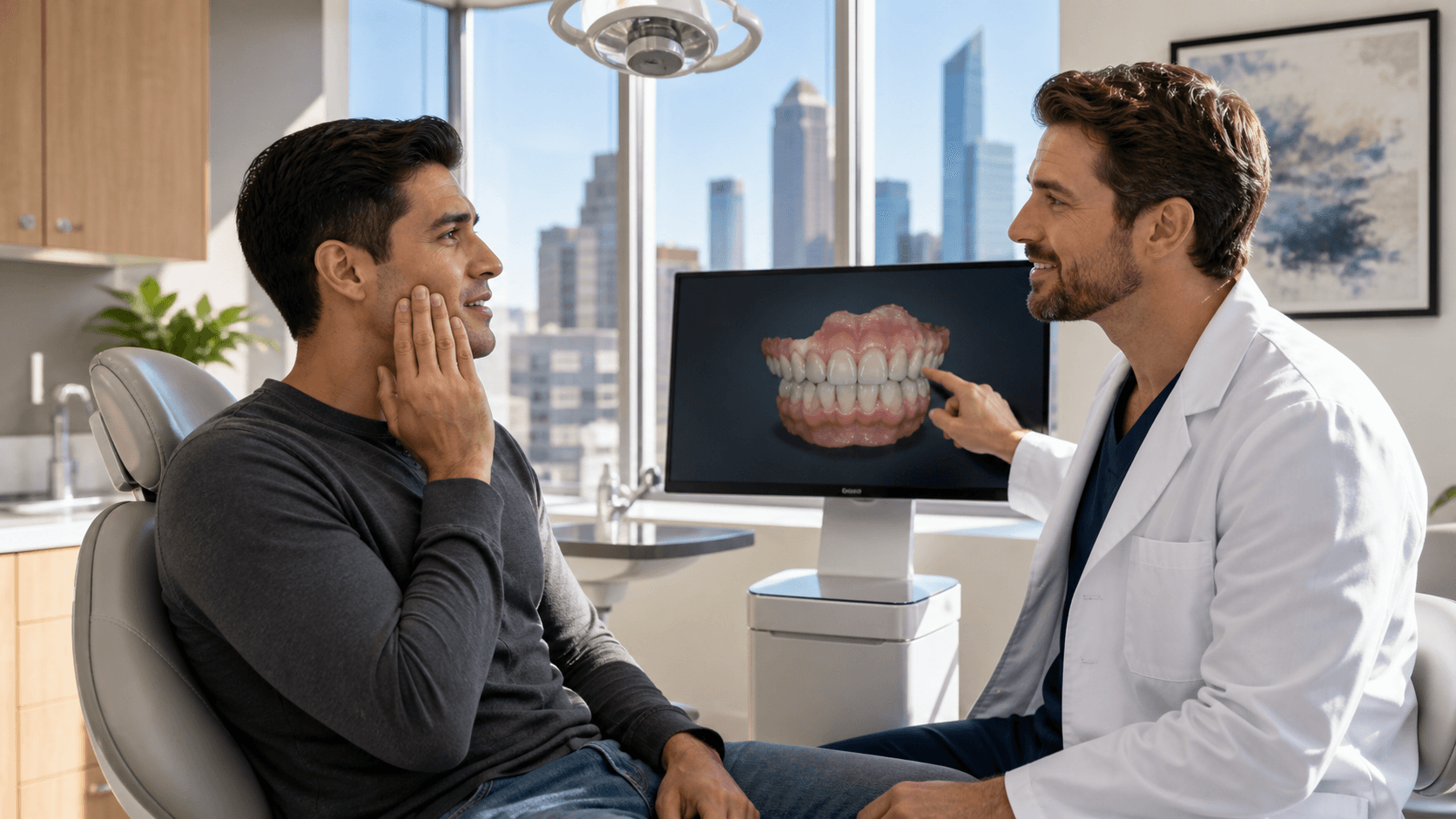
Wisdom tooth pain has a way of showing up at the worst time. You might be busy with classes, work deadlines, weekend games, or planning holiday travel around Houston when that deep ache starts in the back of your mouth. When it hurts to chew, talk, or even sleep, everything in your day feels harder.
Here, we will walk through why wisdom teeth start to hurt in your late teens and twenties, what signs mean you need fast care, and simple, dentist-approved ways to get some relief at home. We will also talk about how planning wisdom teeth removal in Houston, TX, can make things easier, especially around fall and holiday-season schedules.
Find Relief From Wisdom Tooth Pain Before Surgery
Wisdom teeth are the last teeth to come in, usually in the late teen years or early adulthood. By this time, your other teeth are already in place, your jaw is mostly done growing, and there often is not much room left. That is why these teeth tend to act up right when life is getting busy.
Throbbing wisdom tooth pain can:
- Make it hard to fall asleep or stay asleep
- Distract you during class, work, or long drives
- Flare up after sugary snacks and holiday treats
- Leave your jaw feeling sore and tired by the end of the day
Our goal is to give you safe, simple steps you can use while you are waiting to see a dentist. Short-term care can keep things calmer, help prevent an emergency, and make your eventual wisdom tooth removal go more smoothly.
Why Wisdom Teeth Hurt and When to Worry
Wisdom tooth pain has a few common causes. Understanding what might be happening can help you know when home care is enough for the moment and when it is time for urgent help.
Typical reasons wisdom teeth hurt include:
- Eruption pressure, when the tooth is pushing through the gums
- A flap of gum over a partly erupted tooth that traps food and bacteria
- Infection around the gums, called pericoronitis
- Teeth that grow at an angle and press on the tooth in front of them
Sometimes, the pain is a dull ache that comes and goes. Other times, it becomes sharp, constant, and distracting. You should not wait or rely only on painkillers if you notice:
- Fever or feeling generally sick
- Swelling in your cheek or jaw
- Trouble opening your mouth wide
- Pain that spreads to your ear, throat, or neck
- Trouble swallowing or breathing
Around fall and the holidays, schedules tend to fill up with events, travel, and family plans. It can be tempting to push dental care to "after everything settles down." The problem is, infections can move quickly, and what starts as a small irritation can turn into a real emergency.
A prompt exam with a dentist in Houston lets you know if wisdom teeth removal in Houston, TX needs to happen soon or if your teeth can be watched for a while. It also gives you a safe plan for pain control in the meantime.
Home Strategies to Ease Wisdom Tooth Discomfort
While you are waiting for your dental visit, there are a few home steps that may help calm things down. These are not a replacement for seeing a dentist, but they can bring some short-term comfort.
Over-the-counter pain relief can help take the edge off. Common options include:
- Ibuprofen
- Acetaminophen
Always follow the directions on the bottle. Do not take more than the recommended dose, and do not mix pain medicines without talking to a dentist, doctor, or pharmacist first. If you are pregnant, have stomach or liver problems, or take blood thinners, ask a medical professional what is safe for you.
Gentle, non-drug options can also make a big difference:
- Place a cold compress or wrapped ice pack on your cheek for up to 15 minutes at a time
- Rinse your mouth with warm saltwater a few times a day to soothe your gums
- Carefully clean around the painful tooth using a soft toothbrush
- Use a water flosser on the lowest setting if you have one to flush away trapped food
Changing what and how you eat can protect the sore area:
- Pick soft foods like yogurt, mashed potatoes, scrambled eggs, and smoothies
- Keep foods and drinks lukewarm, not very hot or icy cold
- Avoid hard foods like chips, nuts, or crusty bread
- Skip sticky candies and very spicy snacks that can irritate the gums
Some popular "tricks" are actually risky for your gums and cheeks. Please avoid:
- Placing aspirin or other pills directly on the gums
- Using alcohol or undiluted essential oils in your mouth
- Trying to cut or poke the gum tissue on your own
These can burn or damage your mouth and may make an infection worse, not better.
Preparing for Wisdom Teeth Removal in Houston, TX
Once you can see a dentist, the first step is a calm, careful exam. A typical consultation for wisdom teeth includes:
- Digital X-rays to see the position and roots of your wisdom teeth
- A gentle check of your gums, bite, and jaw movement
- A review of your medical history and any medicines you take
- A clear talk about whether removal is recommended now or can be monitored
If removal is a good idea, the next step is planning how to keep you comfortable. Many patients feel nervous about pain or being awake during the procedure. Your dental team can discuss options such as local numbing, nitrous oxide, or other forms of sedation, based on what is right for your health needs and comfort level.
Since this is a busy time of year in Houston, it helps to think ahead:
- Try to choose a date that lines up with a school break or a lighter work week
- Arrange a trusted adult to drive you home if you will have sedation
- Stock your kitchen with soft foods and drinks before your visit
- Plan a quieter couple of days afterward to rest and recover
Simply having a date on the calendar and clear instructions can lower anxiety. Many people feel better once they know what to expect and have a plan to finally deal with the tooth that has been bothering them.
When Wisdom Tooth Pain Becomes a Dental Emergency
Sometimes wisdom tooth problems move past the stage of "annoying" and become an emergency. You should not wait for a routine visit if you notice:
- Sudden, intense pain that keeps getting worse
- Swelling in your face, cheek, or under your jaw
- Pus, bleeding, or a bad taste from the area
- Pain medicine wearing off too fast or needing more than directed
- Fever, chills, or feeling very tired or weak
During busy seasons in Houston, from school events to holiday trips, it might feel easier to push through and hope the pain fades. The risk is that an infection in a wisdom tooth area can spread to nearby teeth, into the jawbone, or to other parts of the body. That is why quick care is so important.
At Palm Center Dental, emergency visits for wisdom tooth pain focus on fast relief and safety. The dentist will:
- Examine the area and review your symptoms
- Take X-rays if needed to check the tooth and bone
- Offer same-day steps to reduce pain when possible
- Prescribe antibiotics if there are signs of infection
- Help plan the timing for wisdom teeth removal in Houston, TX once it is safe
If home care is no longer helping or you find yourself watching the clock for the next dose of pain medicine, it is time to get professional help.
Take the Next Step Toward Lasting Comfort
Wisdom tooth pain does not have to control your days, your sleep, or your plans with friends and family. With smart home care, clear warning signs in mind, and a solid plan for removal, you can move from constant discomfort toward long-term relief.
At Palm Center Dental, our team focuses on gentle treatment, clear explanations, and an anxiety-friendly setting. We know wisdom teeth can feel scary, and we are here to guide you from that first worried question all the way through a safe, smooth recovery so you can get back to your life in Houston with a healthier, calmer smile.
Take The Next Step Toward Comfortable, Healthy Wisdom Teeth Care
If you are ready to address pain or crowding, we invite you to schedule your appointment for wisdom teeth removal in Houston, TX with Palm Center Dental. Our team will walk you through every step, from evaluation to recovery, so you know exactly what to expect. To find a convenient time or ask questions before you book, simply contact us and we will help you get started.