Discover When Implants Beat Dental Bridges
Missing a tooth can sneak up on you. At first, you might just avoid chewing on that side or smile a little less in photos. But as fall plans fill up with school events, tailgates, work parties, and holiday get-togethers around Houston, that gap can start to feel like a bigger deal.
When it is time to replace a missing tooth, most people are choosing between a dental bridge and a dental implant. Both can fill the space and help your smile look complete again. The real question is which option will support your long-term health, comfort, and daily routine.
Our goal here is to help you spot clear signs that dental implants in Houston, TX, may be a smarter, longer-lasting choice than a traditional bridge. At Palm Center Dental, Dr. Ayomide Ogunye and our team spend a lot of time walking patients through these choices in a calm, no-pressure way, so you can feel confident about your next step.
When Tooth Loss Affects More Than Your Smile
A single missing tooth might not seem like a big deal at first, but your mouth works as a team. When one player is gone, the others have to pick up the slack, and that can lead to problems over time.
Here is what can start to happen when a tooth is missing:
- Your bite can shift, which may cause uneven wear on other teeth
- Chewing can become harder, especially on foods you love
- You might avoid crunchy or chewy favorites, like nuts, roasted meats, or crusty breads
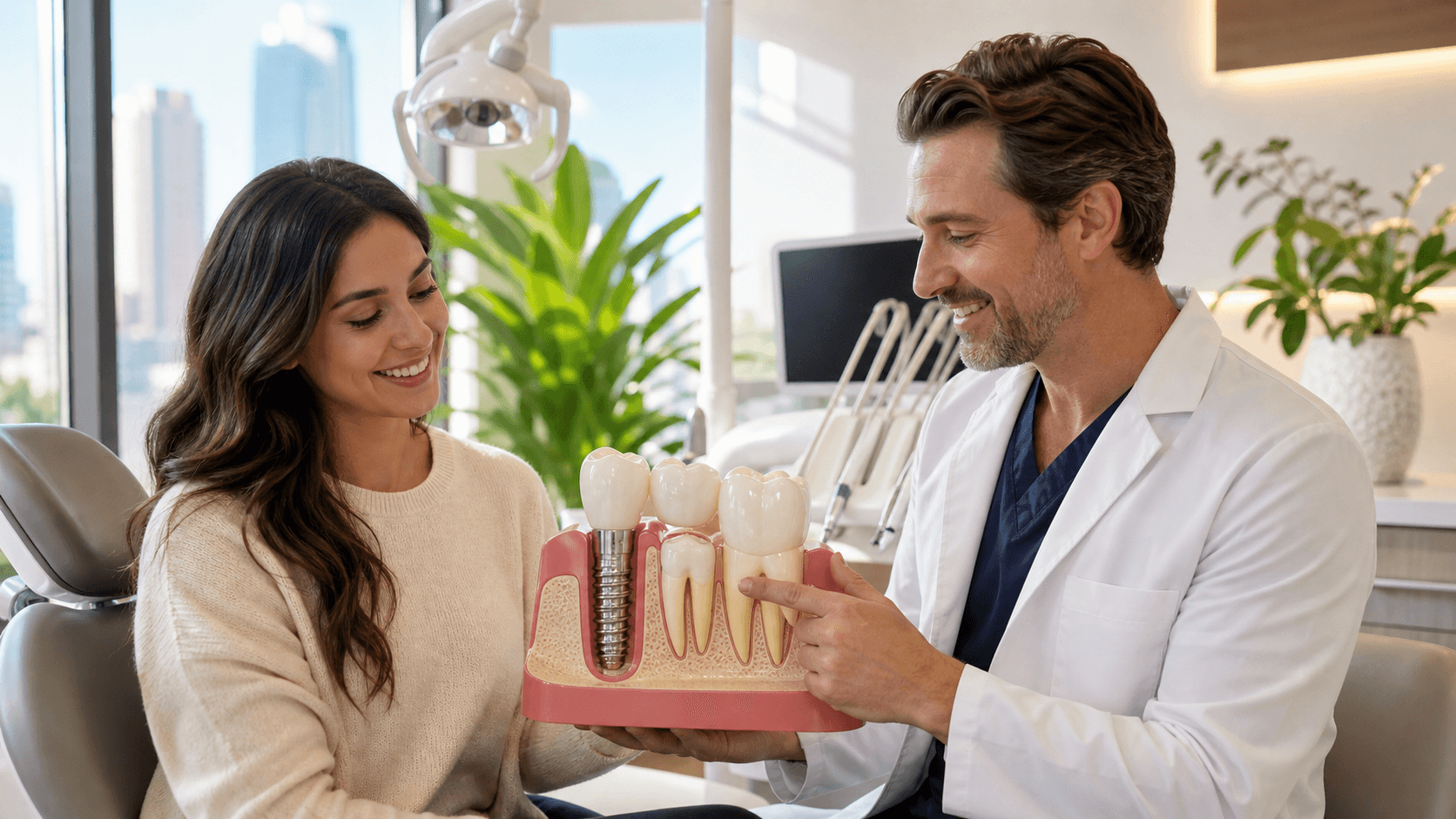
A bridge and an implant both replace the visible part of the tooth, but they work very differently. A bridge sits on top of the gums and uses the neighboring teeth for support. It does not replace the missing tooth root under the surface.
A dental implant is different. It is placed into the jaw where the tooth root used to be. This replacement root can help support the bone in that spot and keep your facial structure more stable over time.
If you are already noticing signs like:
- A slightly sunken look in your cheeks or jaw area
- Teeth that feel like they are drifting or tilting
- Spaces that seem to be getting wider
then, implants may be a stronger choice for your long-term oral health. By acting like real tooth roots, they can help keep your bite more stable and protect your smile from changing shape as the years go by.
Signs Your Surrounding Teeth Need Extra Protection
Traditional dental bridges depend on the teeth next to the empty space. To place a bridge, those neighboring teeth are usually reshaped so that crowns can sit on top and hold the false tooth in the middle.
That reshaping can be a concern if those teeth are already not in perfect shape. Warning signs that a bridge might not be the best fit include:
- Large fillings in the teeth next to the gap
- Tiny cracks or chips that you already know about
- Teeth that feel sensitive to hot, cold, or pressure
If those teeth are filed down even more to support a bridge, they may be more likely to need extra work in the future. That could mean more visits, more repairs, and more time in the chair.
Dental implants work another way. Each implant can stand on its own, like a new root with a crown on top. The nearby teeth stay untouched. This is especially helpful when:
- Several teeth in a row are missing or weak
- You want to keep the remaining natural teeth as strong as possible
- You have already had a lot of dental work and want to avoid more on certain teeth
By acting like independent tooth replacements, implants help protect what you still have instead of asking weak teeth to do even more work.
Long-Term Comfort, Cost, and Convenience in Houston
When you are weighing bridges against dental implants in Houston, TX, it helps to look beyond the first phase of treatment and think about the long run.
Here are some key differences many patients care about:
- Lifespan: Bridges often need to be replaced after years of use, while implants can last for many years with good home care and regular dental visits
- Maintenance: Bridges can require a special way of flossing under the false tooth, which some people find tricky
- Stability: Implants are anchored in the bone, so they feel firm and secure while eating and talking
From a long-term point of view, that can mean:
- Fewer repeat treatments to replace worn-out work
- Less stress on neighboring teeth that might otherwise need crowns later
- More freedom to enjoy foods you love without worry about something shifting
For many Houston patients, lifestyle benefits are a big deal. Being able to bite into a burger, enjoy chips and salsa, or smile wide in group photos without thinking about a loose or awkward tooth replacement can be a huge relief. Since implants allow you to brush and floss almost like natural teeth, daily care often feels simpler and more natural too.
When Implants Fit Your Health and Daily Routine
Dental implants are not right for everyone, but there are some clear signs that you may be a strong candidate. You might be a good match if you:
- Have healthy gums with no untreated gum disease
- Are in generally good overall health
- Do not smoke, or are open to cutting back with your dentist's guidance
- Are willing to brush, floss, and keep regular dental visits
There are also certain situations where implants are often a better choice than a bridge, such as:
- You are missing several teeth in a row in one area
- You have already had a bridge fail or break down
- You are thinking ahead about a full-arch solution and want a stable base for the future
Timing matters too. Starting implant treatment in the fall can work well with a busy calendar. Many people like beginning the planning and placement stages before the main holiday rush. That way, follow-up visits and healing can fit more easily around school breaks, work schedules, and spring and summer events down the road.
As a family-focused practice here in Houston, we understand that life does not slow down just because you need dental work. We do our best to help plan treatment that fits into your real-world schedule, not the other way around.
Take the Next Step Toward a Stronger, Confident Smile
If you notice shifting teeth, discomfort when chewing, or worry about how many times your bridge might need to be replaced in the future, it may be time to look closer at implants. Paying attention to these signs early can help you protect your oral health, your comfort, and your confidence when you smile.
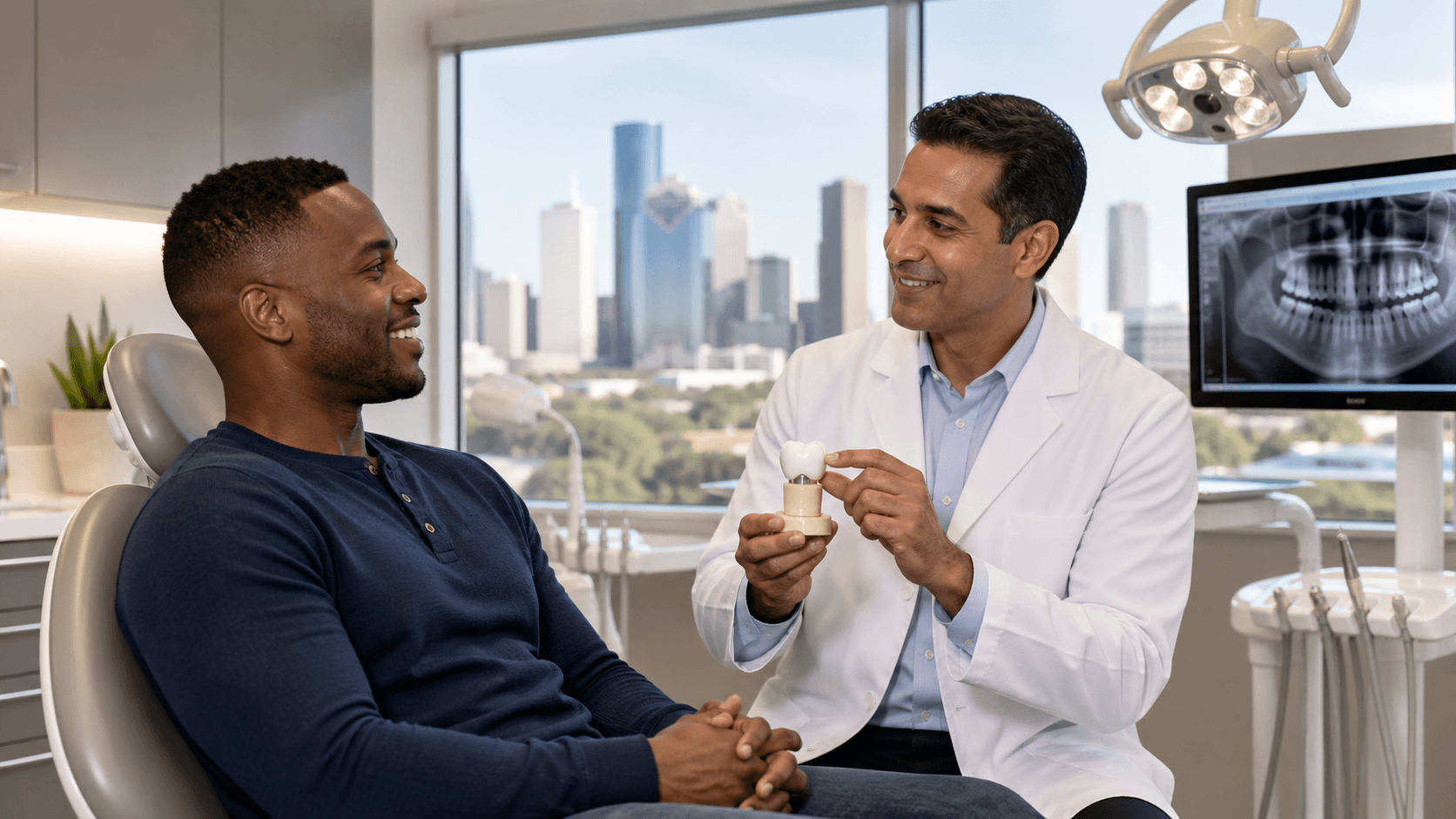
At Palm Center Dental, Dr. Ayomide Ogunye carefully reviews your X-rays, bone health, medical history, and cosmetic goals to see whether dental implants in Houston, TX, are the better choice for you or if a bridge is still a good fit. With clear explanations and a caring team, you can decide on a plan that helps your smile stay strong, steady, and ready for every photo, event, and family meal ahead.
Restore Your Confident Smile With Lasting Implant Solutions
If you are ready to replace missing teeth with a stable, natural-looking option, we are here to help you explore dental implants in Houston, TX that fit your needs and goals. At Palm Center Dental, we carefully evaluate your oral health, walk you through each step, and create a personalized treatment plan. Reach out to our team today through our contact page to schedule a visit and take the first step toward a stronger, more confident smile.