Tooth pain can show up when you least expect it. One minute you’re going about your day in January, maybe sipping something warm or working through the post-holiday slump, and the next thing you know, your mouth is throbbing and won’t let up. That sudden ache is more than just annoying, it might be something real that needs to be looked at right away.
During Houston winters, toothaches can come on strong. The dry air, sudden cold fronts, and winter travel all add stress to our teeth and gums. If your mouth is hurting and ice packs or pain relievers aren’t doing the job, it might be time to deal with what’s really going on. A tooth pain emergency in Houston, TX can turn serious fast, especially if you don’t catch it early. Let’s take a closer look at what causes these types of pain, how to spot when it’s more than just sensitivity, and what steps to take to stay healthy.
What Makes Tooth Pain Show Up So Fast?
Sometimes toothaches seem to appear overnight. But most of the time, there’s already something going wrong under the surface. Here’s what can set the pain off:
- Cavities are one of the biggest culprits. A small one might go unnoticed for a while, but once it gets deeper, it exposes the nerve and pressure builds up fast.
- Cracks in the tooth, whether from biting something hard, clenching your jaw, or older dental work wearing out, can open pathways for cold air or bacteria to reach the inside of a tooth.
- Old fillings or crowns might not hold up like they used to and can shift or break. That sudden change often sparks sensitivity or pressure-related pain.
Houston winters don’t bring snow, but cooler temps combined with heater use can dry out your mouth. That lack of moisture makes it easier for tooth surfaces to weaken or for pain to feel stronger. Seasonal travel can also lead to air pressure changes that affect sinus pressure. That tightening feeling in your face might actually be coming from a tooth that’s inflamed or infected.
Signs Your Toothache Might Be an Emergency
Not all toothaches are emergencies, but the ones that are tend to let you know pretty clearly. Here are some signs that it’s not something to ignore:
- The pain is sharp and constant and doesn’t get better with brushing or rest.
- There’s swelling in your jaw or around your gums, and maybe even a little bleeding or pus. That could mean infection.
- If the pain spreads to your ear, temple, or down your neck, it might be a sign something deeper is going on.
- You feel pressure when you bite down, or certain foods make the pain shoot up even more.
If any of this sounds familiar, it’s a good idea to get checked soon. These warning signs don’t usually go away on their own, and waiting too long could make things harder to treat.
Why Waiting Can Make Things Worse
It’s tempting to try to wait it out. Maybe grab a pain reliever, rinse with salt water, and hope it’s better by morning. But the problem with dental pain is that it usually doesn’t fix itself. And in winter, the habits and foods this season brings can quickly make things worse.
- If the pain is linked to infection, batteries in your immune system are already fighting cold-weather bugs. Add in a dental infection, and the body gets overwhelmed fast.
- A cracked or broken tooth might not seem like a big deal in the moment, but chewing on it, even something soft, could split it further.
- Cold drinks or treats, including those leftover holiday sweets, can hit exposed nerves and cause even more decay or pain.
We all tend to snack more or stay up late during the winter months. That late-night cookie at the back of the cupboard could be the thing that tips a sore tooth into an emergency. Playing it safe and getting help early is often a better option than hoping it fades.
How Winter Habits in Houston Can Affect Dental Health
Winter brings changes to our routines, even in places like Houston where it doesn’t freeze often. These small shifts can have a big impact on our dental health.
- Lower temperatures and more indoor heating dry out the air, which lowers the amount of saliva in your mouth. That means less natural protection for your teeth.
- Most people drink less water in the winter. Dehydration doesn’t just make you tired, it makes it easier for decay to set in.
- Brushing and flossing routines sometimes get off track post-holidays. Between parties, travel, and being thrown off your schedule, it’s easy to miss a few days.
- Winter treats, like hot cocoa, sticky holiday candies, or baked pies, are cozy but loaded with sugar. Thin enamel or small cracks can turn into big issues when we eat these regularly.
We don’t always feel the effects of these habits right away. But your mouth does. That small ache you feel could be the result of two months of wearing down. Catching it early could prevent a longer, more painful recovery.
What to Expect When You Seek Help for Tooth Pain in Houston
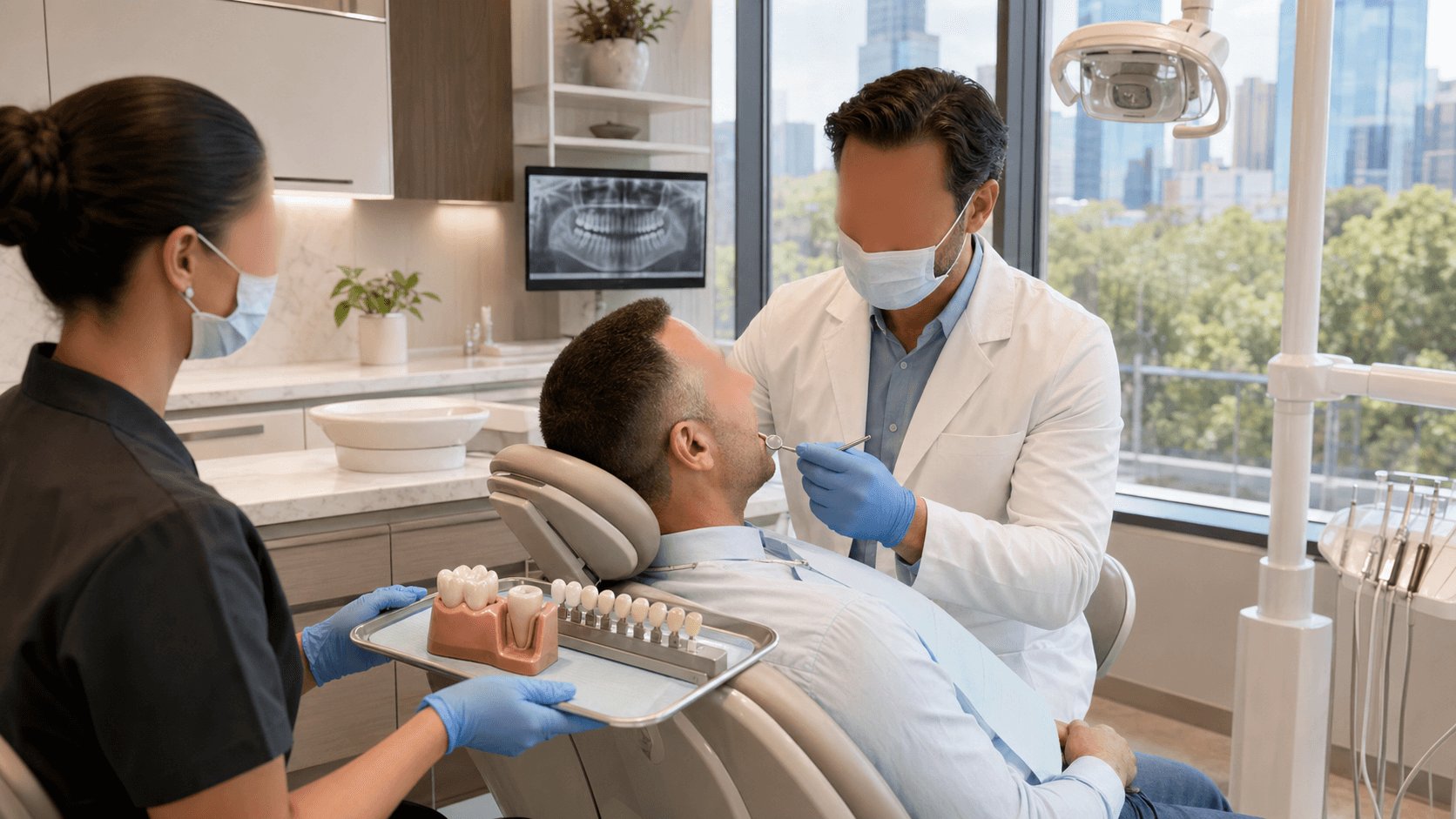
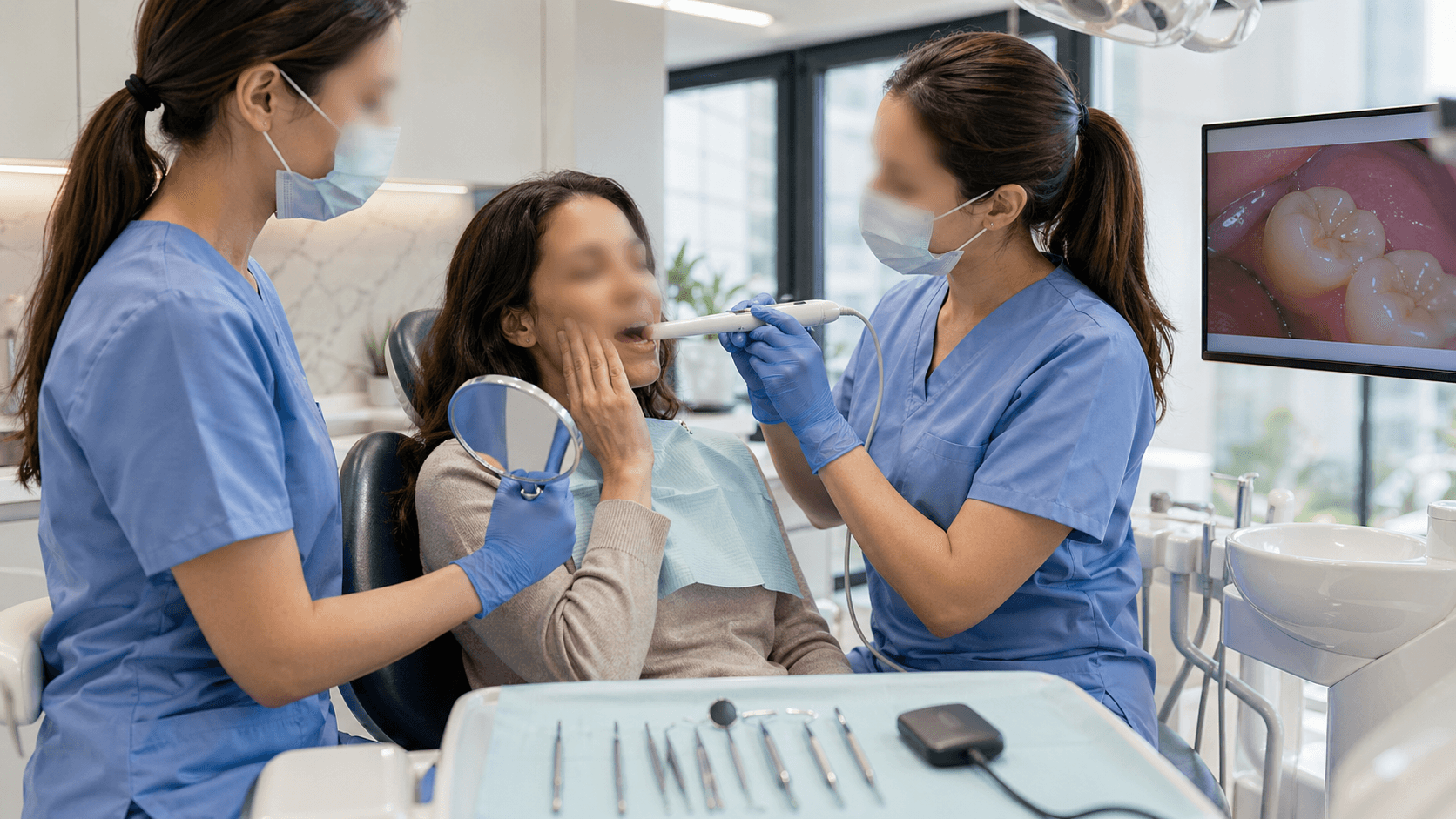
When the pain doesn’t stop or seems to be getting stronger, getting it checked is the next step. At Palm Center Dental in Houston, Dr. Ayomide Ogunye and our team provide a complete dental evaluation and take time to understand your symptoms so we can identify the underlying cause.
- We’ll ask things like how long the pain’s been there, if anything makes it better or worse, and whether there are other symptoms to be aware of.
- X-rays are often needed to get a deeper look at the tooth roots, jaw, and areas below the gumline. These can often spot infections, abscesses, or fractures.
- Treatment depends on the cause. Sometimes it’s a quick filling or cleaning. Other times it may need more support, especially if the nerve is involved or an infection has spread.
We offer emergency dental appointments and a full range of treatments, including restorative care such as fillings, crowns, implants, and sedation management when anxiety or discomfort are concerns. Getting help right away helps avoid deeper damage, and it makes the treatment much easier. The more we know early on, the better chance we have of catching things before they grow into jaw pain or full-blown swelling.
Stay Ahead of Tooth Pain Before It Strikes
Knowing what leads to a tooth pain emergency in Houston, TX can help us all watch for signs before they become a problem. Discomfort that fades may not feel urgent, but paying attention to it often makes a big difference later on.
- Watch for small changes, like twinges when chewing, new sensitivity to cold, or a strange taste near a specific tooth.
- Don’t ignore puffy gums, bleeding during brushing, or bad breath that won’t go away.
- Keep water close, even when it’s cool outside. Staying hydrated helps with saliva levels and lowers bacteria.
The good news is most dental emergencies are avoidable. Knowing what to look for and acting early gives us a better chance of staying comfortable through every season, even during cold, dry Houston winters.
Your Trusted Partner for Dental Emergencies in Houston
Persistent discomfort or a worsening ache can signal that your dental issue needs prompt attention. Winter in Houston can be tough on your teeth with all the routine changes and temperature shifts. At Palm Center Dental, we understand how quickly a minor problem can become urgent, and our caring team is ready to help you find relief with gentle, effective solutions. Facing a potential tooth pain emergency in Houston, TX? Reach out to us today, and let’s get you scheduled for the care you deserve.