Hearing that you need a root canal can make your stomach drop a little. Most of us picture drills, long dental visits, or pain that won’t go away. But root canals aren’t as scary as they sound. In fact, many people feel much better afterward because the pain they were living with finally goes away.
If you’re getting a root canal in Houston, TX, preparing ahead of time can help you feel more at ease. Understanding what’s happening and what comes next takes a lot of the fear out of the process. Let's walk through what you should know, what to expect, and how to get ready.
What Is a Root Canal and Why You Might Need One
Inside every tooth is a soft center called the pulp. It holds nerves and blood vessels that keep the tooth healthy. When this area gets infected or inflamed from deep decay, cracks, or injury, it starts to hurt. That’s when a root canal may be needed.
Here are some common signs that something might be wrong:
- Constant pain that doesn't go away
- Sensitivity to hot or cold, even after the source is removed
- Swollen gums near the problem tooth
- Discomfort when chewing or biting
- A pimple-like bump on the gums
A root canal helps remove the infection, clean out the damaged tissue, and save your tooth. Getting care sooner keeps the problem from spreading to other parts of your mouth and helps protect your natural smile. It's the kind of early fix that can save you bigger trouble later.
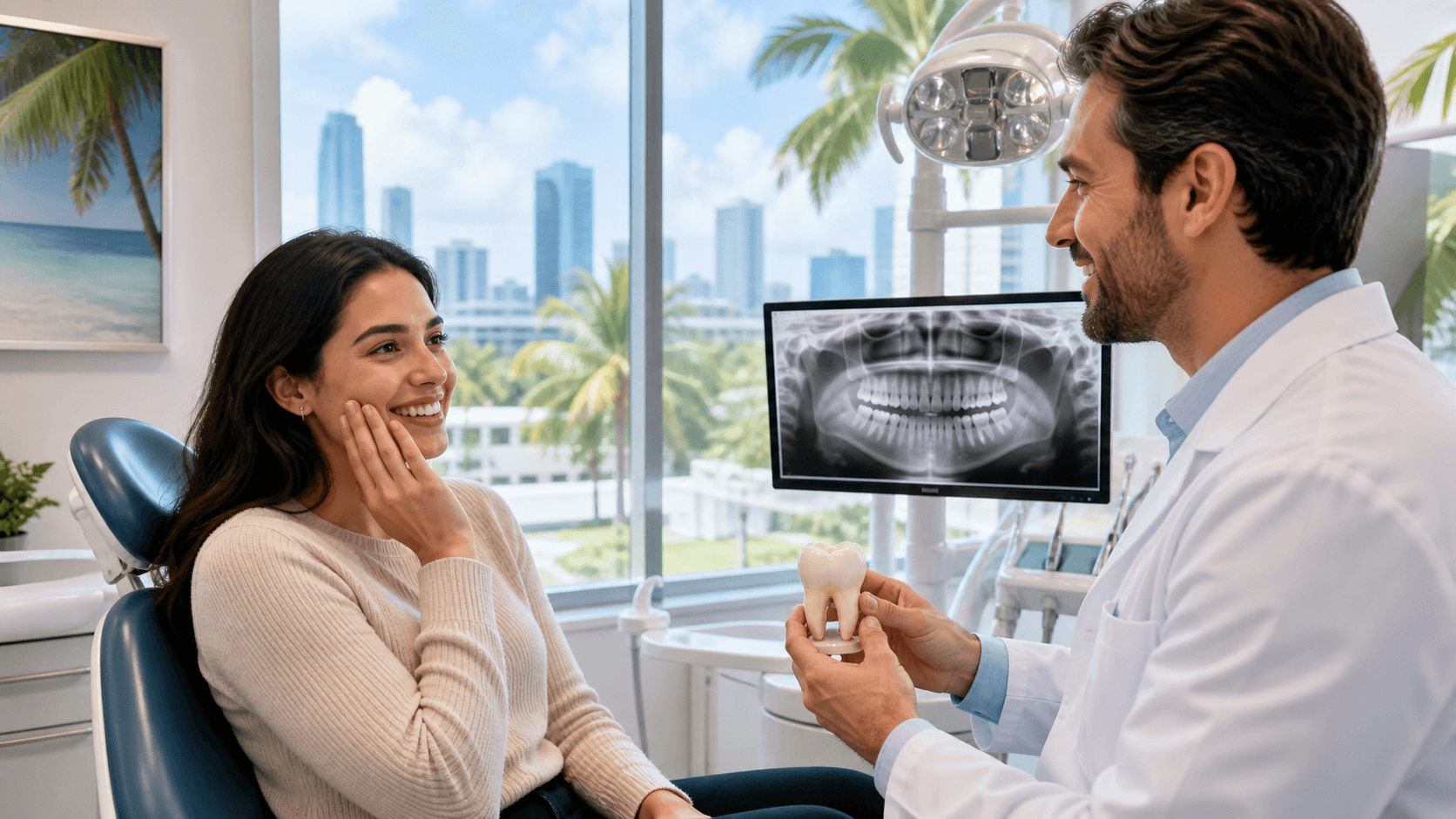
Palm Center Dental uses digital X-rays and modern imaging tools to diagnose root problems accurately before treatment begins, and our team can provide sedation for anxious patients if needed.
How to Get Ready Before the Appointment
Once you’ve scheduled your root canal in Houston, TX, it helps to do a few things ahead of time so you arrive feeling more prepared. That starts with gathering the right info.
When you call to book the procedure, try asking:
- How long will the appointment last?
- Should I eat beforehand?
- Will I be able to drive after the visit?
- Is there anything I should bring?
Then, the night before your appointment, keep things simple:
- Brush and floss gently, especially around the sore area
- Avoid chewing on the side with pain
- Get a good night’s sleep
- Make sure you know how to get to the office on time
Getting these basics in place makes it easier to focus on your visit without added stress. A little prep can go a long way.
If you’re feeling nervous about the procedure itself, it may help to bring a pair of headphones so you can listen to your favorite music or a calming podcast in the waiting room or while you wait to get started. The dental team will do their best to answer all your questions and to keep you informed, but sometimes it helps to have a small comfort from home.
What to Expect During the Procedure
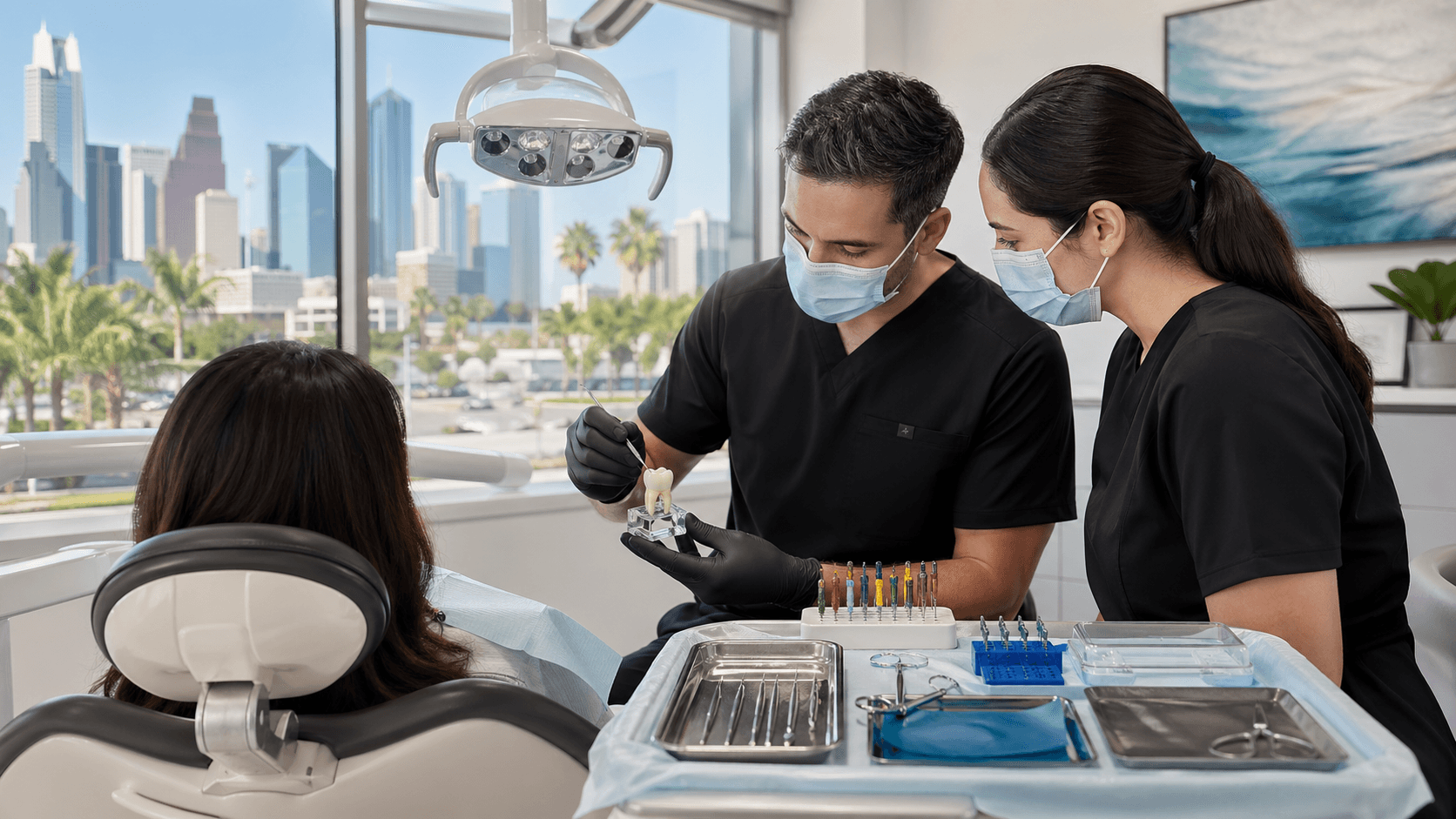
The thought of a root canal can be more uncomfortable than the actual treatment. What surprises many people is how manageable it feels once they’re in the chair. The area around your tooth will be numbed so you stay comfortable from start to finish.
Here’s a general idea of what takes place:
- We numb the area so you don’t feel pain
- A small space is made to reach the inside of the tooth
- We clean out the infection and damaged pulp
- The space is filled and sealed so it stays protected
- A temporary or permanent cover is placed on top
The entire process usually takes less than a couple of hours, though it can vary depending on the situation. During each step, we’ll let you know what’s happening and make sure everything feels okay. Keeping that open communication helps ease worries and lets you stay in control.
Our root canal treatments are performed with local anesthesia, and we explain every step so you always know what to expect. We use careful techniques to minimize discomfort and complete the procedure as smoothly as possible. Once the numbing wears off, any aching usually fades quickly, and most people are relieved to feel their tooth pain go away.
Aftercare Tips for a Smooth Recovery
Once your root canal is done, it’s normal to feel a bit of soreness around your jaw or gums. Most of the time, that goes away within a few days with a little patience and care.
To help your mouth heal comfortably:
- Use cold compresses on the outside of your cheek
- Eat soft foods like yogurt, eggs, or mashed potatoes
- Try not to chew on the side of your mouth that was treated
- Brush gently and follow any instructions we send home
- Take any prescribed medicine as directed
If you notice swelling, more pain, or any reaction that concerns you, let us know. We want your healing process to go as smoothly as possible, and we’re always ready to answer questions after your visit. Most people feel much better once the infected tissue is gone. Taking it easy that first day or two can keep discomfort low and give your tooth a chance to settle. Then it’s back to your usual routine, but with a lot less pain. Try to avoid chewing hard or sticky foods on that side until your tooth is fully healed and your dentist checks that everything looks good.
Your Next Steps to Keep Your Smile Healthy
Knowing what to expect, taking time to prepare, and caring for your tooth afterward can make the whole process smoother. A root canal doesn’t just stop pain, it helps keep your natural tooth in place and supports better oral health for the long run.
Once you're past the recovery stage, it’s a good idea to stay on top of regular checkups and keep an eye on anything that feels off. Small problems can turn into bigger ones if left alone, so staying ahead helps you avoid more complicated treatments. Don’t forget to keep up with your daily brushing and flossing to help prevent new issues from forming in the future. Keeping your teeth healthy and pain-free is easier when you build those simple habits early.
Facing the prospect of a root canal in Houston, TX can feel overwhelming, but you’re not alone. With our attentive care and clear guidance, the process can be much more comfortable than most people expect. At Palm Center Dental, we’re dedicated to simplifying your experience, answering your questions, and supporting you every step of the way. Let’s make caring for your smile feel safe and straightforward, contact us today to get started.