Stop Seasonal Tooth Pain Before It Ruins Your Plans
Seasonal tooth pain has a way of popping up right when life gets busy again. Late summer in Houston often means wrapping up vacations, getting kids ready for school, and jumping back into work and sports. Sudden pain in a tooth can throw all of that off, even if it seems mild at first.
Temperature changes from hot days to cooler evenings, strong AC, allergy flare-ups, and constant snacking on cold or sticky treats can all irritate a tooth that is already weak. That small zing of pain can be your early warning sign that something deeper is going on inside the tooth. If it is ignored, it can turn into a real emergency at the worst time.
Some of that "mystery" seasonal tooth pain is actually damage from decay, cracks, or old fillings. When that happens, one of the best ways to save the tooth is with a dental crown in Houston, TX. At our family-focused office, we are ready to find the true cause of your pain, calm things down, and protect the tooth so your plans can stay on track.
Why Teeth Hurt More When Seasons and Temperatures Change
Even in a warm climate, your teeth feel the small shifts in temperature around you. Moving between the Houston heat and the cold AC, then spending evenings at outdoor school events, can make sensitive teeth complain.
Here is how that works in simple terms:
- Teeth can expand and contract with hot and cold.
- Tiny cracks or worn enamel react more strongly to these changes.
- When the inner layer of the tooth (dentin) is exposed, it is much more sensitive.
- Strong airflow from the AC or cooler night air can hit sensitive spots.
Common triggers of seasonal pain include:
- Sipping very cold drinks or frozen coffee.
- Enjoying ice cream, popsicles, or shaved ice.
- Sitting near a vent that blows cold air right at your face.
- Allergy or sinus pressure that pushes on the roots of upper teeth.
It is helpful to know the difference between mild sensitivity and a true warning sign.
Short-term sensitivity might feel like:
- A quick zing that goes away in seconds.
- Mild discomfort only when something very cold touches the tooth.
More serious pain can look like:
- A dull ache that lingers after hot or cold.
- Sharp pain when you bite down or release your bite.
- Pain that wakes you at night or makes it hard to focus.
Catching these problems in late summer or early fall gives you time to fix them before your calendar fills up with sports, school events, and holiday plans.
Hidden Dental Emergencies You Should Never Ignore
Not every dental emergency looks dramatic. Sometimes the signs are small and easy to brush off. The problem is that teeth do not heal on their own. When the damage is inside, it usually gets worse over time, not better.
Subtle signs that a tooth is in trouble include:
- Pain or pressure when chewing on one side.
- Sensitivity that lingers after hot coffee or cold drinks.
- A tiny crack you can see or feel with your tongue.
- A tooth that just feels "off" or different when you tap it gently.
Urgent red flags that should never be ignored include:
- Sudden swelling in your gums, cheek, or face.
- Throbbing pain that does not let up.
- A broken or lost filling, especially if the tooth feels rough or sharp.
- A chip or crack from sports, a fall, or biting something hard.
- A tooth that suddenly looks darker than the others.
Putting off care when you notice "minor" seasonal pain can lead to:
- Deep infection inside the tooth.
- Need for root canal treatment.
- Loss of the tooth if the damage goes too far.
We focus on emergency care that aims to calm the pain quickly and protect the tooth. The sooner we can examine the tooth, the more options we usually have to save it and keep your smile strong.
How a Dental Crown Protects Painful or Damaged Teeth
A dental crown is like a custom-made cap that covers and protects a tooth. It fits over the part of the tooth you can see above the gumline. Once it is in place, it gives the tooth strength, support, and a natural shape again.
We often recommend a dental crown in Houston, TX in situations like:
- Large fillings that are cracking or breaking down.
- Deep fractures or chipped teeth that cannot be fixed with a simple filling.
- Teeth that have had root canal treatment.
- Teeth that are badly worn from grinding or clenching.
- Teeth with repeated sensitivity that do not respond to smaller fixes.
Here is what to expect from the crown process:
- Exam and X-rays so we can see the root and bone and plan the best treatment.
- Numbing the area to keep you comfortable.
- Shaping the tooth so the crown can fit securely over it.
- Taking impressions or digital scans to design your custom crown.
- Placing a temporary crown to protect your tooth while the final one is made.
- At a second visit, removing the temporary crown and cementing the final one in place.
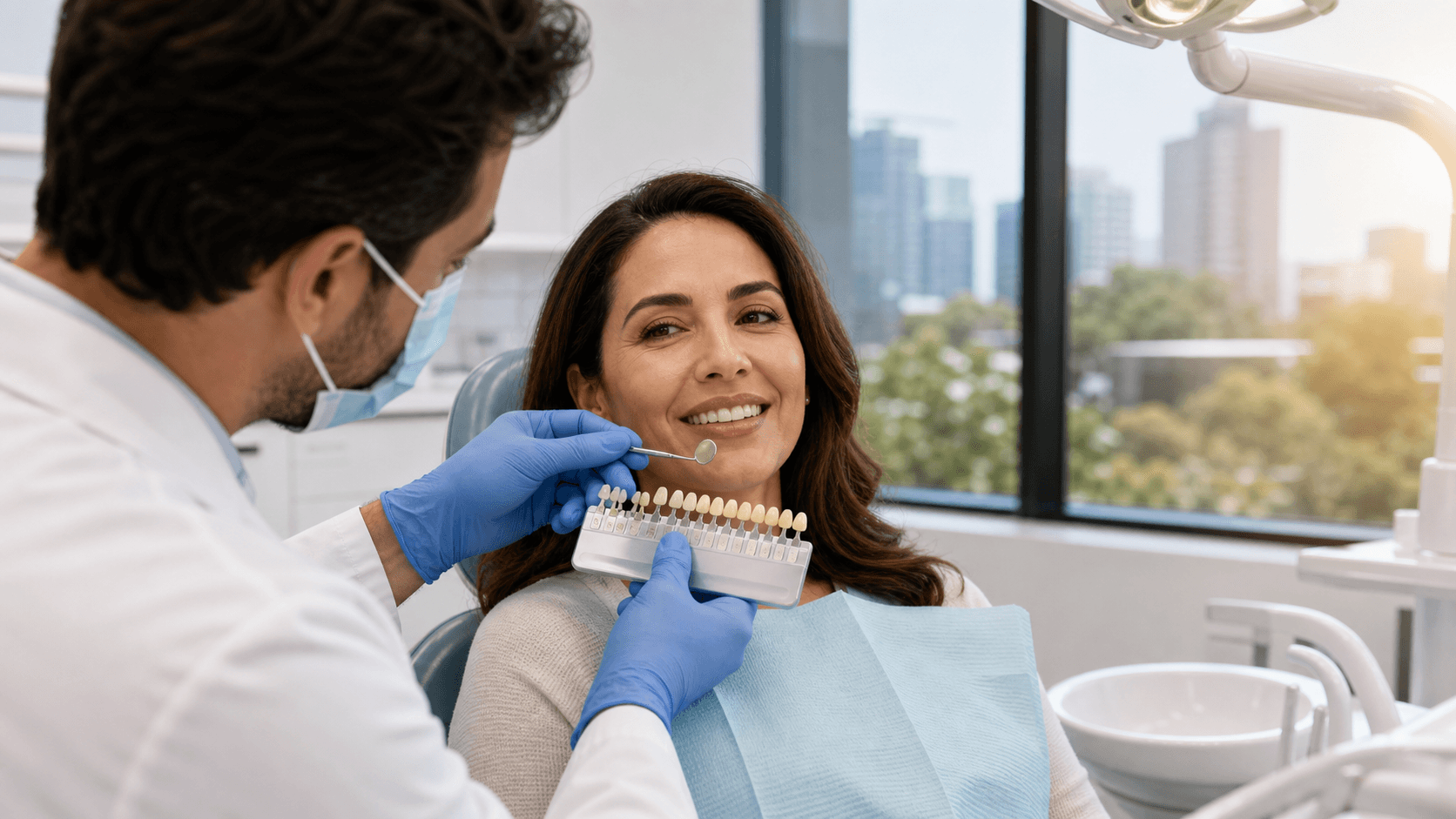
Modern crowns are made to blend in with your other teeth. They can:
- Match the color and shape of your smile.
- Cover teeth that are stained or misshapen.
- Help you chew comfortably again.
This kind of protection can keep a weakened tooth working well through school photos, family pictures, and every season that follows.
Seasonal Activities and When a Crown Is the Safer Choice
Late summer and fall bring a lot of activity. Kids and teens are back in sports and band. Adults are juggling work events, tailgates, and family gatherings. All that action is great for memories, but it can be hard on teeth that are already weak.
Certain habits and activities raise the risk of cracks and chips, such as:
- Contact sports without a mouthguard.
- High-energy marching band or cheer with the risk of falls.
- Biting on hard foods at parties or games, like nuts or hard candy.
- Grinding teeth during stress or while focusing on schoolwork.
For some people, a strong, well-fitted crown is safer than repeatedly patching the same tooth. This is often true for:
- Athletes who face regular contact or impacts.
- People who clench or grind their teeth, especially at night.
- Anyone with big, old fillings that keep breaking.
You can lower the risk of emergencies by:
- Wearing a mouthguard for sports and practice.
- Avoiding using your teeth to open packages at tailgates or events.
- Being careful with very hard or sticky seasonal treats that can pull on weak teeth.
We always look at the whole picture before suggesting a crown. Sometimes a smaller repair is enough. Other times, a crown gives better long-term protection and helps you feel safer during busy, active seasons.
Take Action Now to Avoid Future Tooth Emergencies
This time of year is perfect for a quick checkup before life speeds up. Finding small cracks, worn fillings, or sensitive spots now means we can address them before they surprise you on a school morning or during a big family get-together.
If tooth pain appears suddenly, the best step is to get professional guidance as soon as you can. Gentle home care, avoiding chewing on that side, and staying away from very hot or cold foods can help for a short time, but they are not a fix.
At Palm Center Dental in Houston, our team helps families and busy professionals understand what their teeth are trying to say. Ongoing sensitivity, cracked or worn teeth, and repeated pain when chewing all deserve a closer look. A durable, natural-looking dental crown in Houston, TX may be the key to protecting your smile so you can enjoy every season with confidence and comfort.
Restore Your Confident Smile With Custom Crown Treatment
If you are noticing discomfort, damage, or changes in your tooth, we can help you protect and restore it with a personalized dental crown in Houston, TX. At Palm Center Dental, we carefully evaluate your needs and recommend the right materials and fit so your crown looks natural and feels comfortable. To schedule your visit or ask questions about your options, simply contact us and our team will follow up with convenient appointment times.