Losing a tooth can change the way we smile, talk, or even feel about ourselves. That’s where dental implants come in. These small posts act like natural roots and help bring full function and comfort back to your bite. But the process doesn’t begin and end with just the implant.
The person who plans, places, and manages this kind of care is called a dental implant specialist. Their role is a big one. Working with a dental implant specialist in Houston, TX means getting support that’s focused not just on fixing the space, but on rebuilding it in a way that feels right and lasts.
What Makes Dental Implants Different from Other Tooth Replacements
When we talk about replacing a missing tooth, there are a few ways it can be done. Dental implants are often chosen because they don’t just sit on the surface. They are placed in the bone where the tooth used to be, much like how real teeth are supported.
- The implant itself is a strong post that gets placed in the jaw
- A small connector, called an abutment, is attached on top
- A custom crown is fitted on the abutment to look and feel like a natural tooth
Unlike bridges or dentures that rest on the gums or use surrounding teeth for support, implants act on their own. They help keep the jawbone strong and steady, which can prevent changes in facial shape over time. But placing them takes careful planning. Every person’s bone structure and needs are different. That’s why precision is so important. The better the fit and angle, the better the implant works and feels for the long haul.
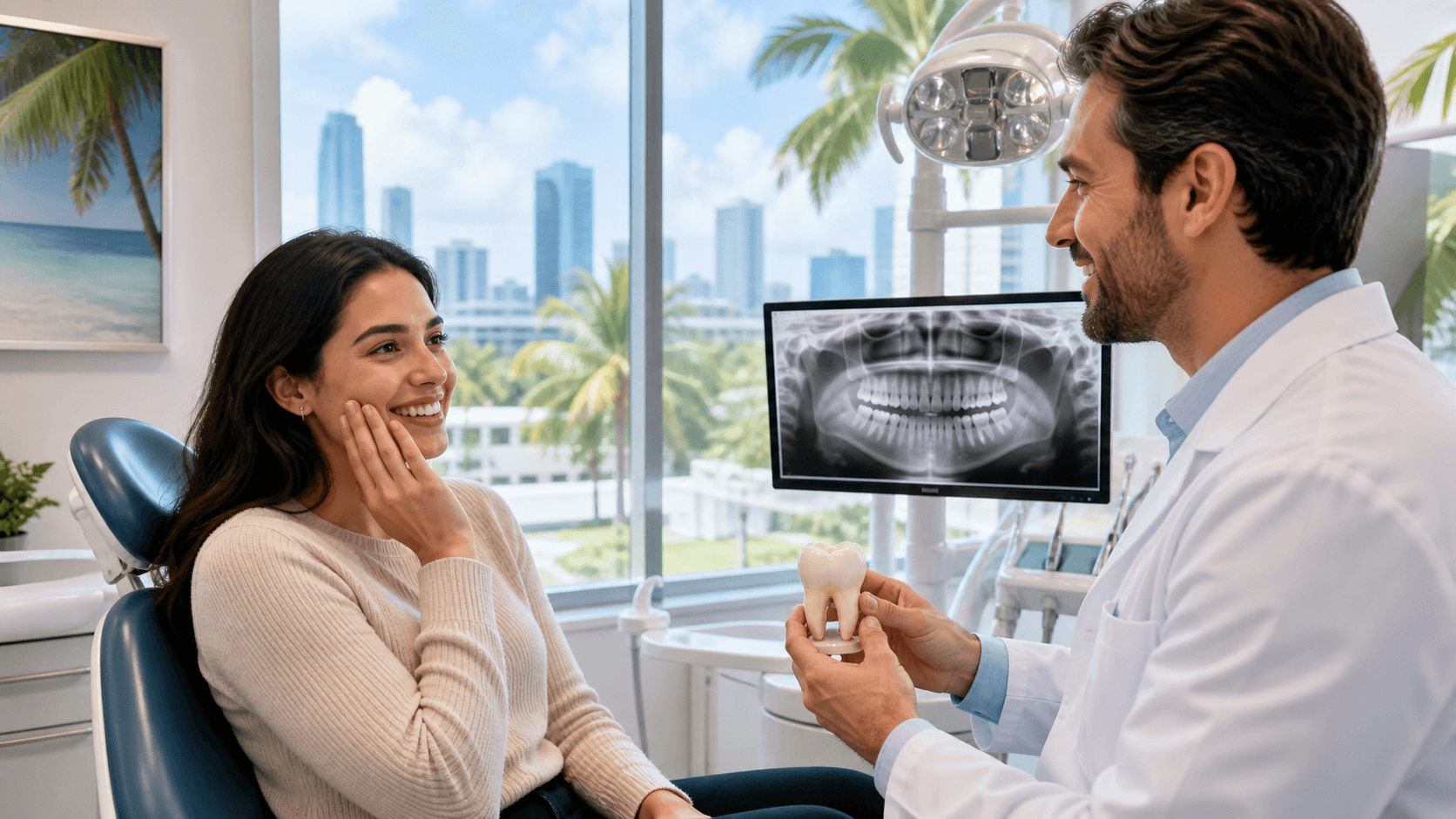
Palm Center Dental uses 3D digital imaging and digital X-rays to create custom treatment plans for dental implants that fit each person’s unique needs for comfort and strength.
What a Dental Implant Specialist Does
Getting the implant right depends a lot on the specialist. While general dentists can offer some treatment options, an implant specialist has advanced experience in placing implants and managing how they fit with the rest of the mouth.
Here’s what that usually looks like:
- Reviewing medical and dental history to be sure implants are a good option
- Taking special scans or 3D images to check bone health and layout
- Making a plan to place the implant safely and so it lines up well with the bite
- Talking with other providers to make sure the crown or final part matches smoothly
Not everyone is ready for an implant right away. Sometimes, there might need to be extra steps like bone support. A dental implant specialist will spot those needs early so care can be done in the right order.
Palm Center Dental offers a full range of implant services, from single-tooth replacement to implant-supported bridges and dentures, making sure all work is matched precisely to your health goals.
How We Help Patients Prepare for an Implant
The first part of the process is getting an exam. We look at the area and talk through any symptoms or concerns. Our next step might be to take a digital scan or X-ray. This helps us look at the bone level and nearby teeth. Spring can be a great season for starting implant prep because healing through April gives enough time to feel ready for summer.
Every person is different, but good preparation often includes:
- Making sure there’s healthy bone where the implant will go
- Checking for any signs of infection or gum problems
- Timing the placement so it fits with your schedule and any follow-up care
We don’t rush the process. Placing an implant means thinking long-term, so our plan is built around what will support the implant over time.
Recovery Support and Long-Term Checkups
After the implant is placed, the healing starts. Recovery doesn’t take forever, but the body does need some time to adjust. The bone fuses around the implant to keep it stable, and that step is key to making the implant feel like a natural part of your mouth.
During this time, here’s how we help support recovery:
- Watching for signs of swelling, discomfort, or anything unexpected
- Helping patients learn how to keep the area clean without irritating it
- Offering checkups so we can make sure the bone is healing well around the implant
As the swelling fades and the implant becomes secure, we move forward with adding the crown. Even after that’s done, we still recommend routine visits. These checkups are a good way to make sure the implant is holding up well, hasn’t loosened, and is fitting comfortably with your bite.
Long-term follow-ups also give us a chance to catch any small issues early. If something shifts or you notice something feels different, we want to hear about it right away. The sooner we can look, the easier it is to keep everything comfortable and working like it should.
We know it can feel like a lot of steps, but each visit builds confidence and keeps your mouth healthy for the long run.
A Confident Smile Starts with the Right Support
When care is shaped by someone who understands how implants work, everything fits together better. The implant feels more natural, the healing goes smoother, and the results can last for years.
Now that it’s spring, it’s a smart time to think about long-term changes like dental implants. With a gentle start and careful planning, there’s time to recover before summer plans begin. Bringing back a full smile often helps people feel stronger, lighter, and more comfortable doing the things they enjoy. When done right, it’s not just about replacing what was lost. It’s about building up comfort and confidence again.
At Palm Center Dental, we take time to make sure every patient feels informed and supported from the first visit through every step of care. Working with a dental implant specialist in Houston, TX means your smile plan is designed with careful attention to comfort, fit, and function. Whether you're exploring implant options or ready to begin, we're here to guide you with care that suits your needs. To get started or find out more, contact us today.