Getting a dental implant can feel like a big step, especially when you’re not sure what to expect. A dental implant takes the place of a missing tooth by putting a new, artificial root into the jaw and later attaching a crown on top. For anyone needing a strong, long-term fix, it’s one of the most reliable choices available. If you’re thinking about a dental implant procedure in Houston, TX, knowing what actually happens during each part can take away some of the guesswork and the nerves.
This kind of care happens in stages, not all at once. From preparing your mouth to placing the implant and letting it heal, every step has its purpose. That’s why it helps to walk through how it all unfolds from the very beginning.
What Comes Before the Implant
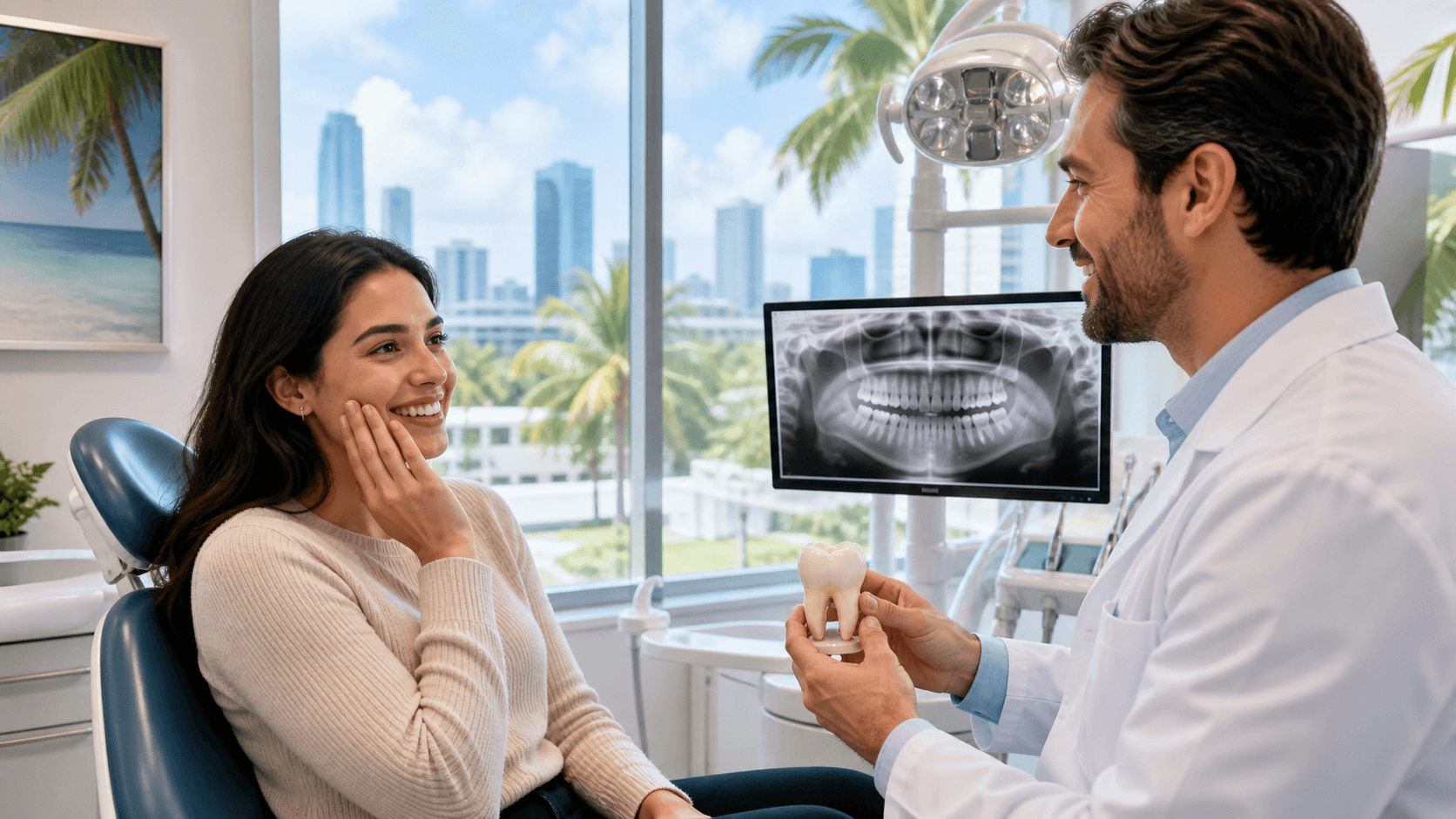
Before anything is done, we always start with a full look at your mouth. It's not just about the missing tooth but also the bone, the gums, and the teeth around it. The first visit usually includes a full exam, a chat about your health and habits, and some digital imaging to see what’s going on under the surface.
- X-rays or 3D scans help check the bone's strength and shape
- We look for signs of gum problems or nearby teeth that might be affected
- If a tooth is still there but badly damaged, it might need to come out first
Some people have enough bone for an implant right away. Others may need a little extra help. If the jawbone has shrunk or softened, a graft might be needed to create a stronger spot to hold the implant. While not everyone needs this, it’s a key part when it's called for. Once everything looks good, we get ready for the real work.
Palm Center Dental in Houston uses digital X-rays and advanced imaging to plan every dental implant precisely. The team works with patients who have gum disease, bone loss, missing teeth, and failed dental work that require a more customized approach.
The Day of the Procedure: What Happens in the Chair
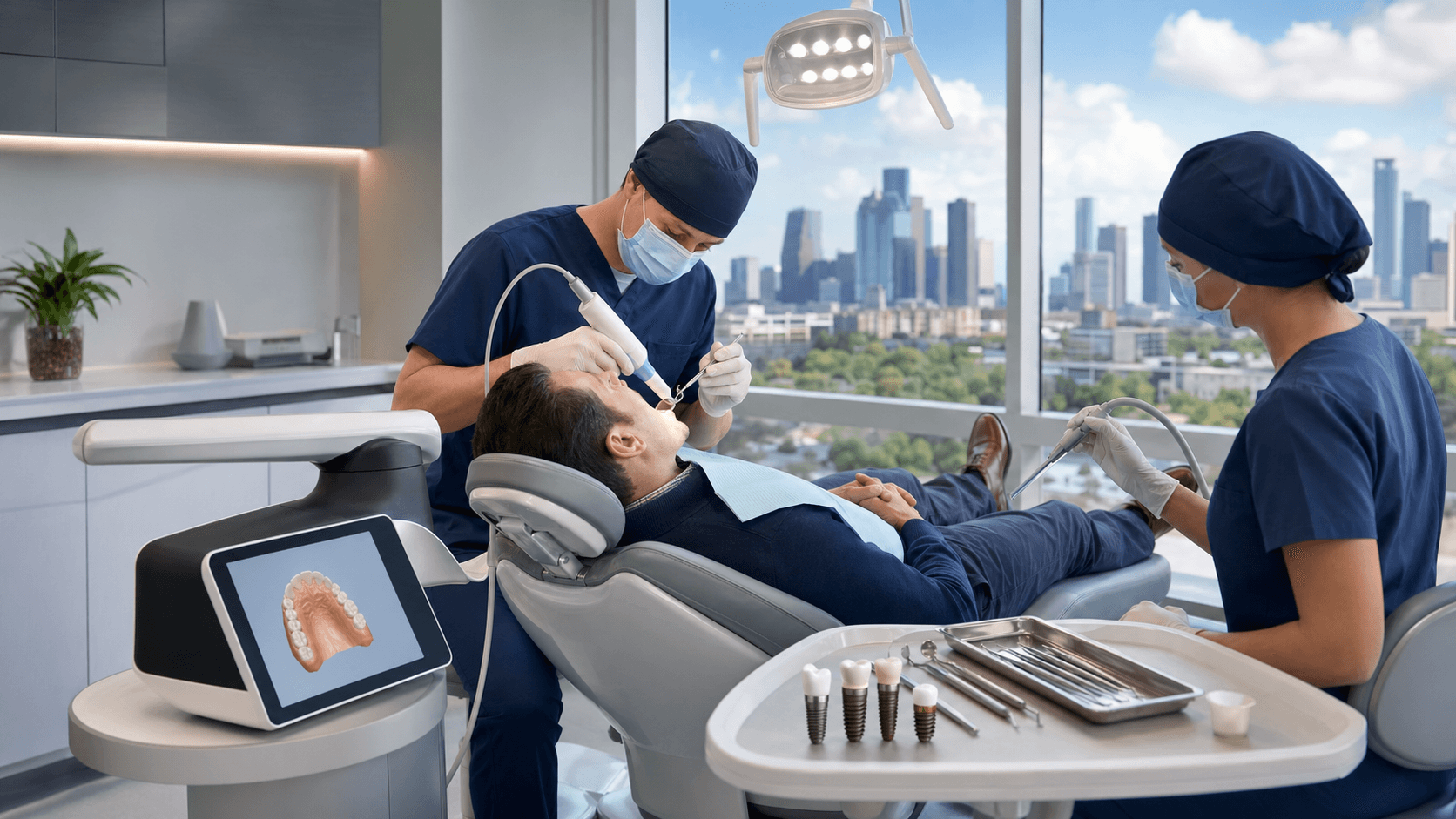
On the day the implant is placed, the main goal is to keep things calm and comfortable. We use numbing medication so you don’t feel pain, and there are different options to help with nerves if needed. Once everything is ready, the dental implant post gets placed straight into the jawbone.
Here’s a quick look at how that goes:
- The gums are gently opened to reach the bone
- A space is made for the implant using specialized tools
- The metal post is placed in that space, then the gums are closed over it
After that, it’s time to rest. We usually give gauze to help stop any bleeding and suggest a cold pack to control any swelling. Most people head home the same day and take it easy for a bit. Good rest helps the mouth start healing right away.
Sometimes we talk about ways to make the first day even easier, like sticking to soft foods and avoiding heavy activity for a little while. Taking any medicine as directed and following the instructions you’re given helps the early stages of healing start off right.
Healing and the Waiting Period
Once the post is in place, the next stage is letting the bone grow around it. That process, called osseointegration, simply means the bone and implant are bonding together to form a solid base. This can take several weeks or even a few months depending on how your mouth heals.
During that time, caring for your mouth matters more than ever. We usually talk about:
- Eating soft, easy-to-chew foods
- Avoiding anything too hot or crunchy during the early days
- Keeping the area clean with gentle rinses and daily brushing
Some people might wear a temporary crown or denture to fill the gap while waiting. Others choose to keep the spot open until the final crown is ready. Either way is fine as long as you follow the healing plan.
It’s normal to come in for a few quick checkups while everything is healing. These visits let us look at the way your mouth is responding and make sure the implant is staying right where it should be. Sometimes we also check to see if any swelling or soreness is improving as expected, and answer questions about foods or tooth care during this stage.
Getting the Final Tooth in Place
Once the jawbone is healed and steady, the next step is putting on the replacement tooth you’ll actually see and use. First, we place a piece called an abutment, which sticks up from the implant and holds the crown that goes on top. Then, we take impressions to make sure the crown matches the shape and color of your real teeth.
- Crowns are custom-made to fit your bite, smile line, and color
- When ready, the crown is attached to the abutment
- The bite is checked to make sure it feels natural and doesn’t push too hard on any areas
The crown might be made of porcelain, ceramic, or another strong material that’s shaped to match your natural teeth. Once it’s in, you can talk, chew, and smile again like normal.
Palm Center Dental uses modern materials for crowns, bridges, and implant restorations. Sedation is offered as needed for patient comfort, and all steps are carefully coordinated by Dr. Ayomide Ogunye and the dental team.
Getting to see your new crown in place after waiting through the healing process is always a big moment. Some people notice it feels a little strange at first, but most say it starts to feel like part of their mouth very quickly. We check the bite, answer any last questions, and talk about how to keep everything clean and lasting well.
A Houston Smile That Lasts
Each part of the dental implant process builds on the last. It’s not rushed for a reason. From planning the first visit to letting the post heal deep in your jaw, the steps are spaced out to help everything go smoothly. The whole process might take a few months, but the results are meant to last much longer.
Getting a dental implant means more than just filling a gap. It brings strength back to your bite and helps protect your mouth in the long run. With regular care and a few checkups along the way, a fully placed implant can feel just like a natural tooth.
When you're thinking about restoring your smile with a strong, lasting solution, we're here to help guide you through each stage of the process. A well-planned and carefully placed implant can make everyday things like chewing and talking feel easy again. We take time to make sure everything feels right from start to finish, so your new tooth fits in naturally. To find out more about what's involved in a dental implant procedure in Houston, TX, call Palm Center Dental today to set up a visit.