Dental emergencies can happen fast, and they never pick a good time. One moment you're fine, and the next you're dealing with a sharp ache, swelling, or a tooth that just cracked during dinner. Around the holidays, when many dental offices close or reduce hours, knowing what’s urgent and what can wait becomes even more important. The colder weather in Houston can also trigger sensitivity, which makes it harder to ignore dental pain that might have been easier to manage weeks before.
While not every dental issue means surgery, some situations can't wait. Severe infections, accidents, or pain that gets worse over time might need more than a routine checkup. That’s when quick answers matter. Knowing the signs of a real emergency can help you make smart choices for yourself or your family. That includes understanding when it’s time to consider emergency dental surgery in Houston, TX, before the situation gets worse or more painful.
When a Dental Issue Becomes an Emergency
Most dental problems give you some warning, but emergencies are different. They aren’t just annoying or inconvenient, they demand quick help. These are the kinds of situations where you shouldn't wait for a regular appointment.
- A cracked or broken tooth, especially with damage near the root
- A tooth that’s completely knocked out during an accident
- Swelling in the face or jaw, especially if it spreads or hurts to the touch
- Bleeding that won't stop after a fall or injury
- Tooth pain that keeps you up at night or gets worse quickly over a short time
In many of these situations, the pain is a sign that something deeper is going on. Infections that reach the root of a tooth or the jawbone can become dangerous if they spread. Sometimes, immediate surgery is the best way to stop that from happening. Waiting too long can raise the risk of the infection affecting your health beyond just your teeth. It’s not just about comfort, it’s about stopping a small problem from turning into something much bigger.
What Happens During an Emergency Dental Surgery
Most people don’t know what to expect with dental surgery, especially during an emergency. That can make the situation more stressful than it already is. But understanding the steps ahead of time can ease some of those worries.
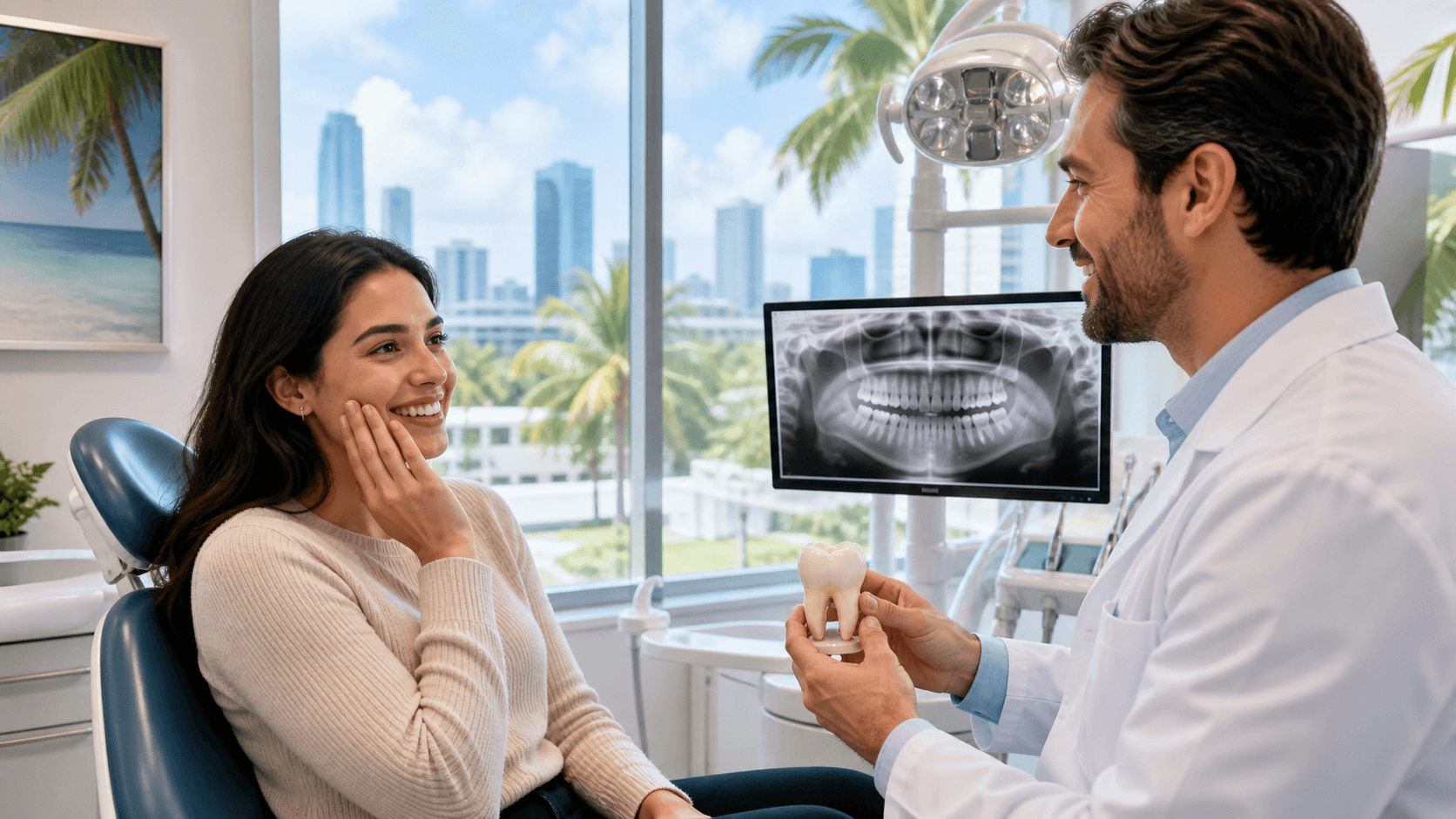
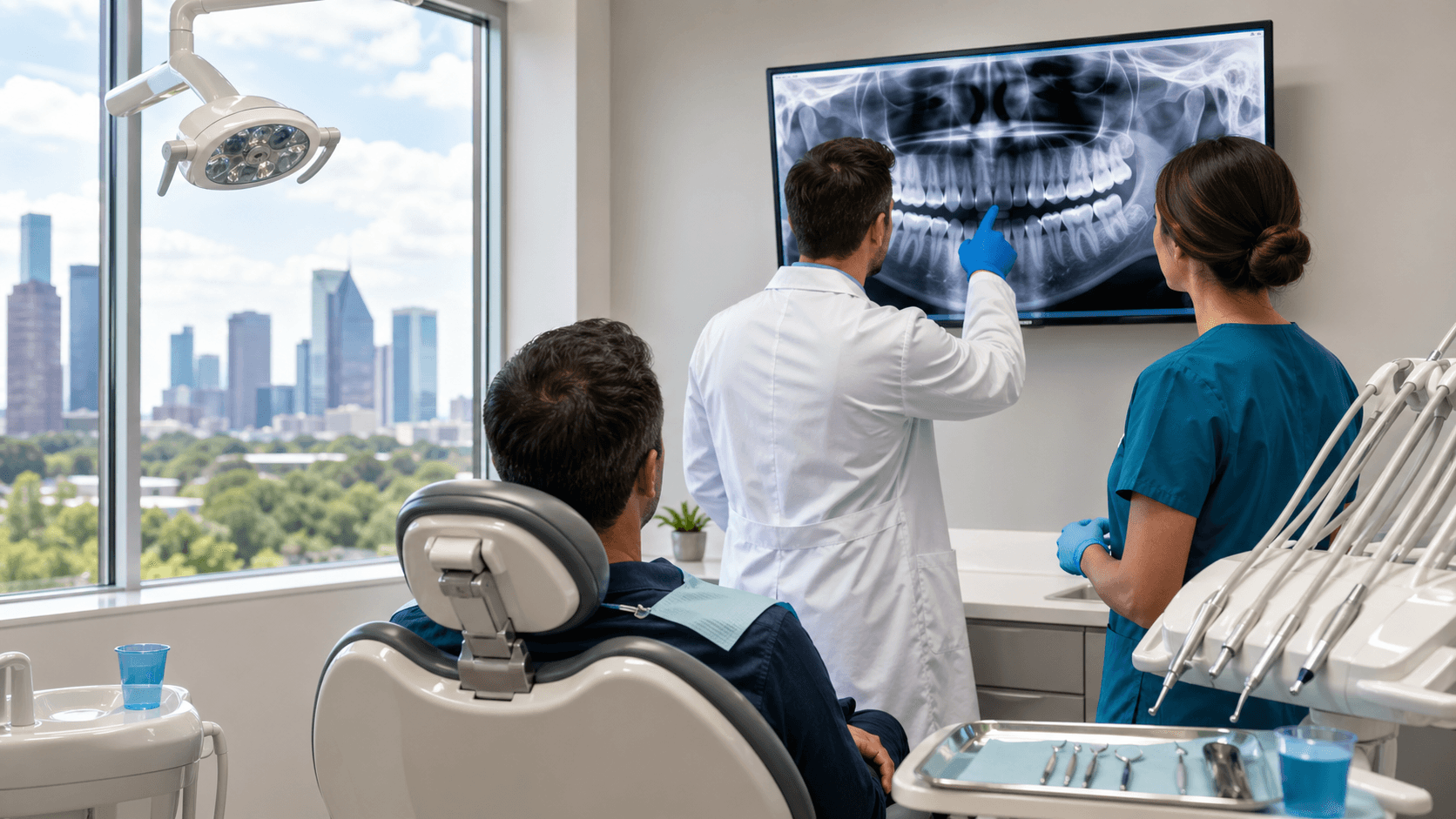
If you come in with a serious issue, the dentist will usually do a quick evaluation. That might include asking what happened, checking swelling, taking a quick X-ray, and seeing how much damage there is. Once it’s clear what’s going on, they'll talk through what's needed to stop the pain or infection.
Sometimes, a tooth needs to be removed right away if it’s broken beyond repair or if the infection inside the root is too advanced. In other cases, they might need to drain an abscess to release pressure and clean out bacteria. Most of these procedures are short and focused on giving you enough relief to continue healing calmly at home. The goal isn’t just care, it’s comfort and protecting your other teeth from being affected.
Palm Center Dental in Houston provides emergency dental surgery, including extractions and abscess care, using digital X-rays and gentle anesthesia for patient comfort. The office offers walk-in visits and same-day appointments, with Dr. Ayomide Ogunye leading the team in delivering fast help for urgent dental problems.
Why Timing Matters in Dental Emergencies
Timing really does make a difference when it comes to your teeth. A small crack might seem easy to ignore, but if bacteria find a way in, it can become a serious infection in just a few days. What starts as a little soreness might turn into something much more painful, requiring more complex care to fix.
When you act quickly, you stop issues from growing. That doesn't just mean better results in the chair. It can also mean less recovery time, fewer return visits, and more peace of mind when you're trying to enjoy the season. Cold weather doesn’t make your teeth weaker, but it can make tooth pain feel sharper and more noticeable. Chilly air or hot drinks can push a small sensitivity into something that ruins your whole day. That’s one reason waiting it out in the winter isn't always the best call.
If a problem is lingering or feels out of the ordinary, noticing it early is the best way to keep things from escalating. Sometimes, what feels like a minor dental concern can worsen rapidly, so taking quick action helps protect both your comfort and overall health.
How to Be Prepared in Houston
Living in a large city like Houston adds a few extra pieces to the puzzle when handling a dental emergency. With so many clinics and offices, and lots of them closed around major holidays, being prepared ahead of time can save valuable minutes when every minute counts.
Here are a few simple ways to stay ready:
- Keep your dentist’s emergency number saved in your phone
- Know which dental offices are open during holidays in your area
- Plan ahead with regular appointments so small issues don’t grow into big ones
- Build a little quiet time in your holidays to care for your health, including your smile
It’s helpful to talk with your dental provider about their urgent care options before the season changes. Having clear instructions for what to do if an emergency happens will make acting quickly much easier. Regular checkups and being proactive with dental concerns can further lower your risk of sudden emergencies. If you’ll be away from home, consider making a list of dental contacts in the area or packing a small dental first aid kit as part of your travel routine.
Even with good planning, emergencies can’t always be avoided. When they do happen, it helps to know that your dental provider has a calm, steady approach during stressful moments. Families appreciate a thoughtful space where questions are answered clearly and care is always the focus.
Staying Safe with Your Smile
Knowing the warning signs and acting fast helps protect your health and ease dental pain before it gets worse. Situations like cracked teeth, infections, or knocked-out teeth may lead to emergency dental surgery, but getting care quickly can help everything feel better sooner.
Pain and swelling that show up suddenly are never a good sign to ignore. Whether you’re hosting family, traveling, or just trying to enjoy a quiet holiday season, having a plan brings peace of mind. Dental trouble never picks a good day, but being prepared gives you more control over how things go. Taking action early helps your smile stay healthy long after the new year begins.
Remind yourself to listen to the signals your teeth and gums send you. Sudden discomfort, odd swelling, or new pain can sometimes indicate deeper problems, so it’s always better to check than to wait and hope things improve without help. Support from a responsive dental office means you do not have to face emergencies alone.
When dealing with sudden pain or injury, knowing where to turn can make all the difference. During serious situations, we're here to help you feel safe and supported through every step. Whether it's a cracked tooth or swelling that won't go away, we can take a closer look and guide you through the next steps. Read about our approach to emergency dental surgery in Houston, TX and what to expect during your visit. Contact Palm Center Dental and let us know how we can help.