Tooth pain isn’t something most people plan for. It can show up suddenly or build slowly over time. Either way, when a tooth is badly damaged or infected, removing it might be the smartest next step. We understand that deciding on a tooth extraction in Houston, TX, isn’t always easy. But sometimes, it’s the best way to stop pain, protect nearby teeth, and prevent bigger problems down the road.
With spring rolling in, now can be a good time to take care of dental needs before summer travel and school breaks begin. It's often easier to find open appointments and give yourself space to heal without feeling rushed. Whether it's a planned extraction or something that pops up, acting soon means fewer surprises later.
Common Reasons a Tooth Might Need to Come Out
Teeth are tough, but they’re not invincible. Sometimes, there’s just no way to save one. We always look for other options first, but when a tooth can’t be repaired, pulling it becomes the next best choice. Here are a few common reasons that might happen:
- Deep decay that spreads too far and can't be fixed with a filling or a crown
- A broken or cracked tooth that goes below the gumline or splits the root
- A serious infection that starts in the tooth and affects the surrounding bone or gum
Infections and damage that reach deep into a tooth can make it unsafe to leave in place. Even if pain comes and goes, the problem underneath is often getting worse. Taking the tooth out can stop that cycle and keep your mouth healthier overall.
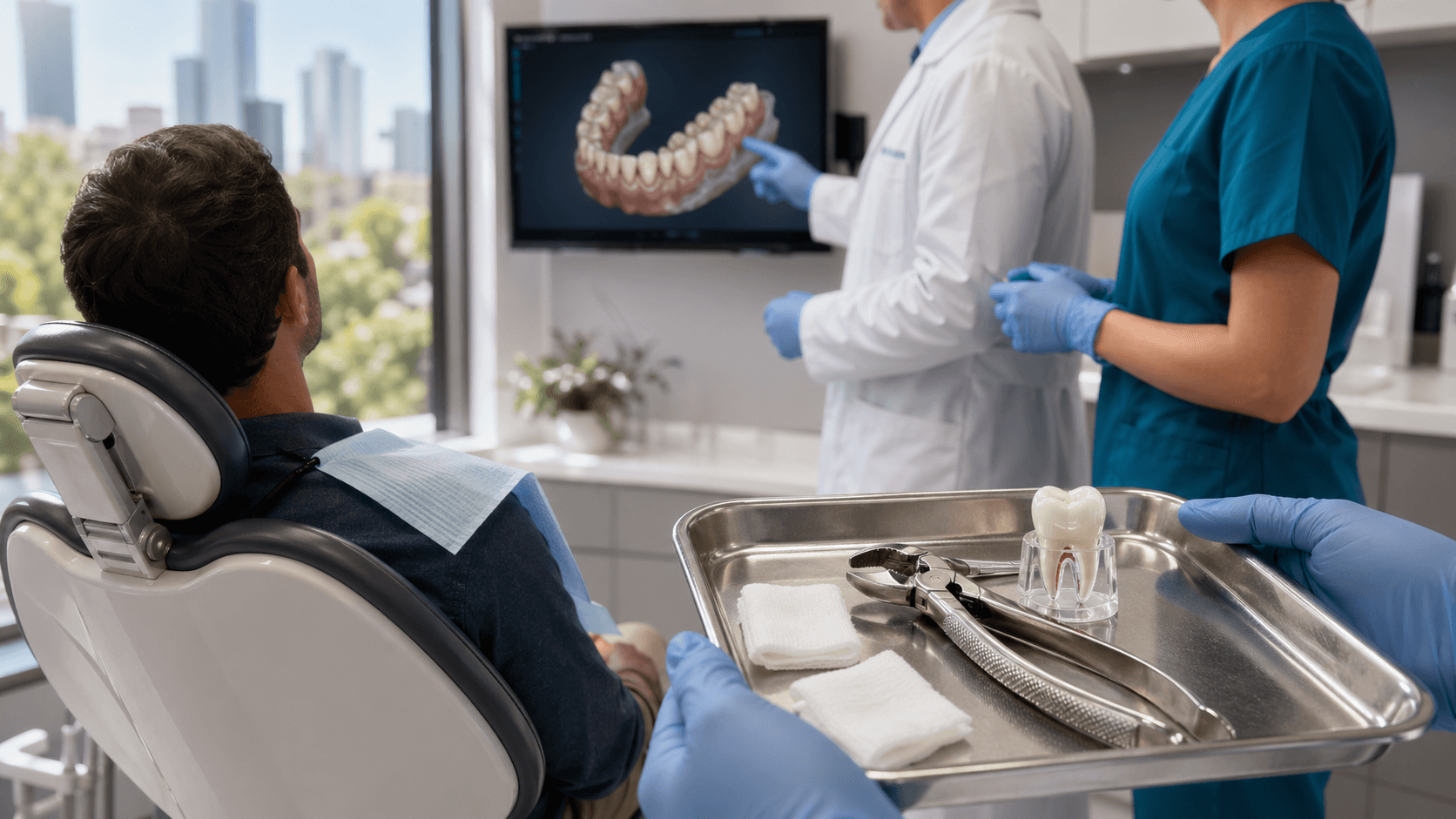
Palm Center Dental uses digital X-rays and 3D imaging for careful diagnosis and planning of tooth extractions, making the process precise and less stressful for patients.
Wisdom Teeth and Overcrowding
Not every extraction is about damage or decay. Sometimes, it’s about space. Wisdom teeth, for example, don’t always have room to grow the way they should. They can push against other teeth, twist as they try to come in, or stay stuck beneath your gums.
- Removing wisdom teeth early can prevent pain, infection, or pressure
- Teeth that have no room can cause others to shift or crowd together
- Planned extractions in early spring give you time to heal before summer
Many teens and young adults have their wisdom teeth removed as a preventive step. Catching it early makes the process simpler, and healing goes more smoothly when it’s not done in a rush. We often see people use spring break or slower weeks this time of year to schedule those procedures with plenty of time to recover comfortably.
Palm Center Dental offers sedation options, such as nitrous oxide, to help you relax during more involved extractions or if anxiety about dental work is a concern.
What to Expect During the Process
Getting a tooth pulled might sound scary, but most extractions are simple and safe. We walk through everything beforehand so nothing feels like a surprise. Here's how it usually works:
- First, we take a look with X-rays or 3D images to understand the tooth's shape, roots, and position.
- On the day of the extraction, we numb the area so you’re comfortable while we work.
- The tooth is gently moved and lifted out using tools designed for that purpose.
- Gauze or simple stitches help the gum start healing right after the tooth is out.
Some teeth take a little more time than others, especially if they haven't broken through the gums yet. But most people are surprised at how quick the appointment feels. You’ll need someone to drive you home, especially for deeper extractions where sedation is used.
Healing and Next Steps After a Tooth Is Removed
Right after the extraction, your mouth will need time to rest. Most people feel a little sore for a few days, but that usually fades quickly.
- You might notice mild swelling or tenderness, which is normal
- Soft foods and gentle brushing help protect the healing spot
- It’s important to follow all instructions so the area closes up safely
Once everything feels better, we often talk through what comes next. If the tooth was in a spot where it affected your bite or smile, replacing it might be the next step. Missing teeth can lead to shifting over time, so planning ahead can help avoid future issues. Even if a replacement isn’t needed right away, we like to keep checking on everything and make sure healing stays on track.
Follow-up appointments give us a chance to answer questions and take another look at how your gum and bone are doing. Each mouth heals at its own pace, and we’re here to guide that process every step of the way.
Getting Help So You Can Smile Comfortably Again
Needing a tooth pulled might sound like a big deal, but it’s often just a smart step toward feeling better. Whether it’s a deep infection, a cracked tooth, or stubborn wisdom teeth, removing the problem means we protect the rest of your smile.
This time of year gives plenty of open time in spring schedules to get ahead of those aches or plan a simple procedure before things get more hectic. Taking care of it now means fewer disruptions later and a more relaxed recovery. The goal is always to help you feel comfortable again, with fewer surprises and a plan to keep everything moving forward.
Experiencing discomfort, noticing signs of infection, or dealing with crowded teeth can be stressful, but our team at Palm Center Dental is here to support you every step of the way. Whether you need a straightforward solution or a more detailed plan for your care, we offer expert guidance to help you make the best decision for your health. If you’re considering a tooth extraction in Houston, TX, reach out to us to schedule an appointment at a time that fits your spring plans.