Dental problems can pop up out of nowhere. One moment you're fine, the next you're dealing with swelling, sharp pain, or even a broken tooth. When something serious happens, a regular dental visit might not be enough. That's when emergency dental surgery steps in. It's care that can't wait, often needed when the damage or infection is too far along for basic treatment.
We understand how stressful these moments can be. Tooth pain can feel overwhelming and hard to ignore, especially if it hits late at night or during a busy week. If you’re wondering whether it’s time to take it seriously, this guide can help. We'll walk through when a dental issue becomes an emergency, how you can tell surgery might be needed, and why acting fast, especially in winter, can make things easier.
If you live in this area and are dealing with a sudden problem, knowing what to expect from emergency dental surgery in Houston, TX can take a little pressure off while you plan your next move.
When a Dental Emergency Becomes Surgery
Not every dental emergency means surgery, but some conditions cross that line quickly. A lost filling or chipped tooth, for example, might just need a repair. But when things get more severe, like a deep infection or an injury to the jaw, it may take more than a quick fix.
Signs that might mean surgery is needed include:
- Swelling that spreads fast or makes it hard to open your mouth
- A tooth that's been fully knocked out and can't be placed back right away
- Bad pain that spreads into your neck or ear
- A broken jaw or major facial trauma from an accident
- Signs of infection like a high fever, red gums, or pus
Waiting too long in these situations can make healing harder. Infection can spread. Damage can go deeper. Quick action may keep the problem from turning into something more serious. It's always best to notice these signs as early as possible because urgent action protects your teeth and health.
Common Reasons for Needing Emergency Dental Surgery
There are a few common issues that might lead us to recommend surgery without delay. These are problems that can’t safely wait.
- Impacted wisdom teeth: When wisdom teeth don’t come in straight or get stuck under the gums, they can cause swelling, pain, or infection. This often happens during young adulthood, but it can flare up at any time and require surgery to remove the tooth.
- Tooth abscess: This is a pocket of pus caused by a bacterial infection. It's usually painful and won’t heal on its own. If it spreads to other areas, it becomes dangerous, so we may need to drain the infection or remove the tooth quickly.
- Broken or shattered tooth: When a tooth breaks so badly that it can’t be salvaged with a filling or crown, surgery might be the only option. This could follow a fall, sports accident, or biting something too hard.
Many emergencies, including abscesses, impacted teeth, and severe fractures, are managed through our emergency dental services at Palm Center Dental, with immediate care provided for both adults and children.
Some of these problems can happen quickly, while others might build up over days or even weeks. It’s important to pay attention to changes in your mouth, such as increasing pain, swelling, or difficulty chewing, so you can address problems early. While not every case leads to surgery, these examples show the kind of damage where acting fast really matters.
What to Expect During Emergency Dental Surgery
Coming in for emergency treatment can feel nerve-wracking, especially if it's your first experience with dental surgery. We find that knowing a little about what’s coming can ease a lot of fear.
- Before anything begins, we'll take a close look at the tooth, gums, or jaw and talk through the steps.
- You'll get numbed first. In more involved situations, mild sedation may help you stay comfortable and relaxed.
- The procedure length depends on what needs to be done, but many can be finished within an hour.
- Afterward, we'll place gauze or give other instructions to keep the area clean and reduce swelling.
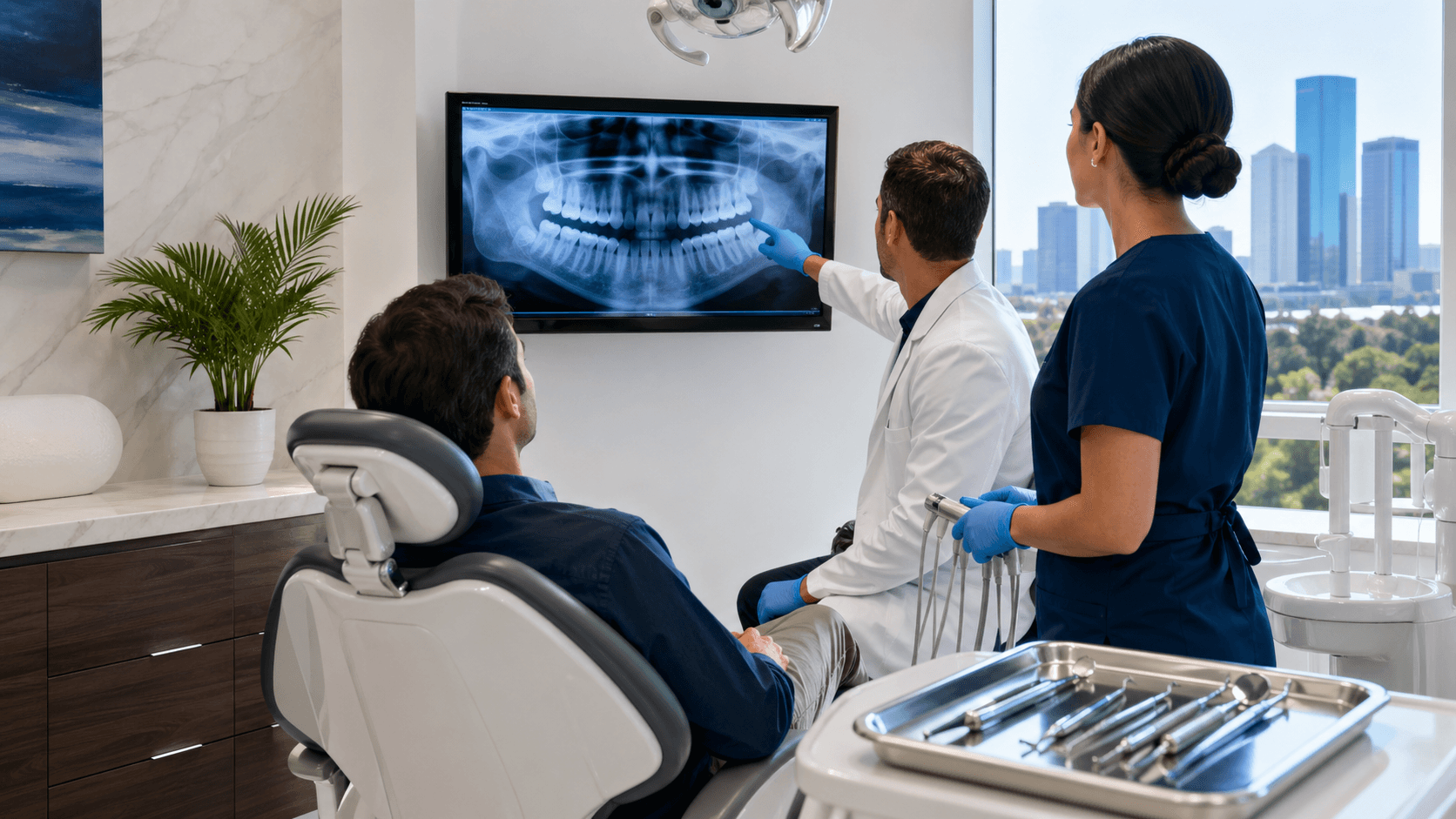
Our office uses digital X-rays and modern diagnostics so your needs are addressed quickly and clearly, and sedation options are available when anxiety or pain are concerns.
During the visit, your dental team will keep you updated on each step, taking time to make sure you are comfortable. Recovery might bring a few days of soreness or tiredness. Eating soft foods and getting rest makes the biggest difference early on. We always check in or schedule a follow-up to make sure things are healing well.
If you have questions before or after surgery, reaching out for advice can help the process feel smoother. Modern dental offices are ready to ease discomfort quickly and give guidance for home care, so don’t hesitate if something is unclear.
Winter in Houston: Why Timing Matters
The mild winters here in Houston, Texas, work in your favor after surgery. Cooler outdoor temps can help reduce discomfort, swelling, and the urge to be outside doing too much right away. That helps you stay inside and rest, which is what your mouth needs most in those first few days.
Early February is a smart time to take care of dental pain. Spring is filled with sports, events, and travel. Getting surgery out of the way before things pick up means you’re healing during a quieter time.
Winter schedules are usually more flexible too, with fewer work interruptions and easier gaps for booking follow-up care. Instead of squeezing appointments into a packed calendar, you’re more likely to find options that work for you.
For many families and working adults, planning a dental procedure in winter means less disruption and a chance to recover before the busier spring season arrives. The cooler weather can also feel soothing, and it's much easier to focus on rest when most outdoor activities are on hold.
How Prompt Care Can Protect Your Smile
When something feels off in your mouth, ignoring it tends to make things worse. Trouble that starts small, like pressure in your gums or a dull ache in your jaw, can quickly grow into a bigger issue. Taking action early, especially during a slower time of year, can help you avoid pain, missed time, and longer healing later.
We understand surgery might sound scary, but it can bring fast, lasting relief. Many people feel better within days and are glad they didn’t wait. Keeping an eye out for changes in the way your teeth feel, how you bite down, or how your gums look is a good habit all year, but it's especially helpful in winter when illness and infections can rise.
Letting dental pain go unchecked rarely makes it disappear. Instead, it often means longer treatments and tougher recoveries down the line. Even if symptoms seem small, like a little swelling or an unusual twinge, they're worth your attention. Quick response helps protect your smile and keeps future appointments simple.
Even small signs deserve attention. A swollen spot, a cracked tooth, or a lingering headache near your jaw isn’t something to brush off. When you're aware and willing to act quickly, you're doing the best thing for your future comfort and health. Winter may be the perfect time to turn dental pain into a fresh start for your smile.
Sudden pain, swelling, or dental injuries deserve prompt attention before they become more serious. Acting early often means easier recovery, especially here in Houston, Texas, where winter gives you a little more time to rest and heal comfortably. From infections to broken teeth, we’re ready to help when the situation just can’t wait. See how we approach emergency dental surgery in Houston, TX and contact Palm Center Dental today to schedule your visit.