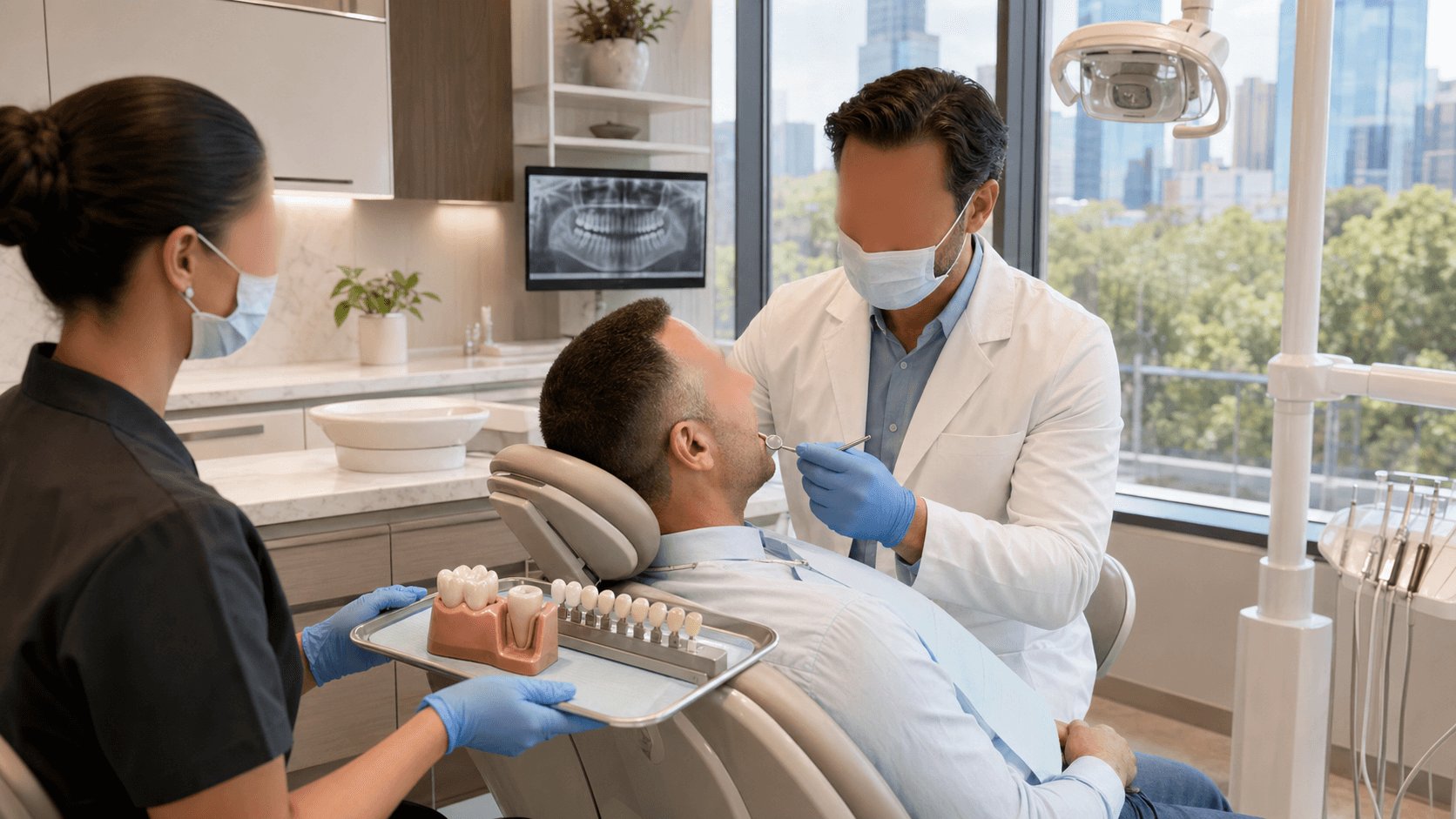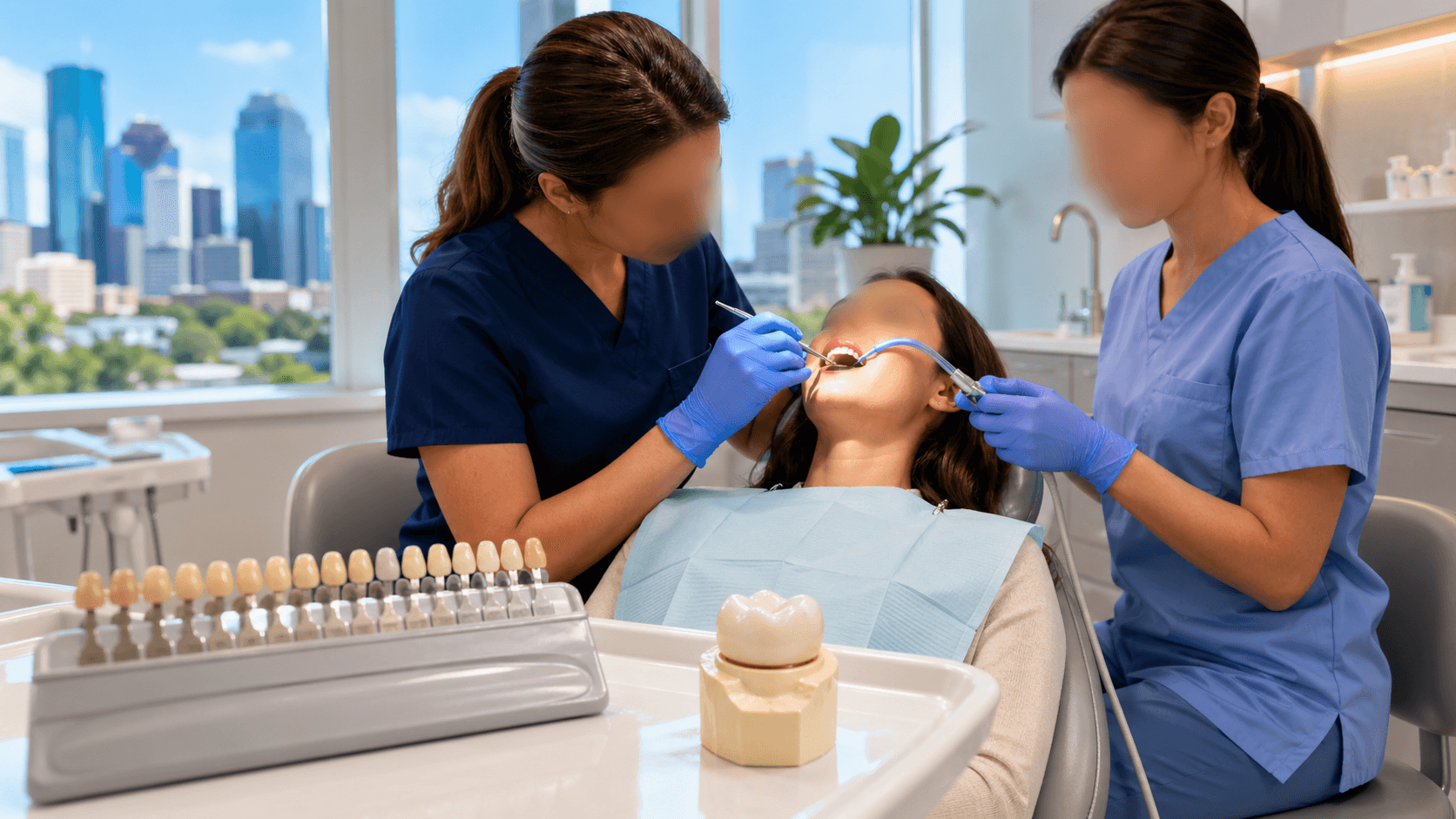
A healthy smile shouldn't hurt when you bite or feel sensitive when you eat. If a tooth feels worn down, cracked, or hurts after a cavity has been filled, you might need more support than a regular filling can give. That’s where dental crowns come in.
Getting a dental crown in Houston, TX can be a simple and smart way to protect a tooth that’s been damaged or weakened. It fits right over the tooth to give it the structure and strength it needs to work like it used to. Winter can be a good time for this kind of care, especially when routines tend to be a little calmer after the holidays. Let’s take a closer look at what crowns do, when they’re needed, and how the process works.
What Is a Dental Crown and When Do You Need One?
A dental crown works like a little cap that fits over a tooth to make it stronger and more protected. It’s often used when a tooth can't hold its shape or strength on its own anymore.
Here are some common reasons people need a crown:
- A deep cavity that’s too big for a filling to fix
- A cracked or broken tooth that hurts when chewing
- A tooth that had a root canal and needs extra support
- A worn-down tooth from grinding over time
If chewing on one side feels different, or a part of your tooth feels sharp or weaker than it should, it might be time to check in with your dentist. A crown can help hold everything together so your smile keeps working the way it's supposed to.
Palm Center Dental offers crowns as part of their prosthodontic services, designed to restore broken, worn, or weakened teeth so you can chew comfortably again.
Different Types of Dental Crowns
Not every crown is made from the same material. The right one depends on where the tooth is, what your bite looks like, and a few other things your dentist will think through.
Here are some of the most common crown types:
- Porcelain crowns are a popular pick for front teeth. They’re tooth-colored and blend in well with your smile.
- Ceramic crowns are strong and also look like natural teeth. They're a solid choice when appearance matters but you need good durability too.
- Metal crowns (like gold or other alloys) may not blend in as well, but they hold up well in the back of the mouth where chewing pressure is higher.
- Porcelain-fused-to-metal crowns mix both looks and strength, offering a balance of function and appearance.
Each material has pros and cons. Some options look more natural, while others last longer under pressure. We help make the choice based on your mouth’s needs and what works best for your comfort and daily habits.
Getting a Dental Crown: What the Process Looks Like
The process of getting a crown usually takes two visits, but the steps are simple and easy to follow.
- First, we’ll take a close look at the problem tooth with a full exam and possibly an X-ray.
- Then, we prepare the tooth by shaping it a bit to make space for the crown. A mold or digital scan is taken so the crown fits just right.
- A temporary crown is added to keep the tooth covered and safe while the custom piece is being made.
- At the second visit, a permanent crown is placed and adjusted so it feels smooth and sits well when you bite.
From start to finish, this process usually takes a couple of weeks. In between visits, it’s normal to be careful with harder foods or sticky snacks, just to protect the temporary crown. Mild soreness or tenderness can happen, but it usually fades quickly.
Digital X-rays and impressions at Palm Center Dental allow for precise fitting and comfortable crown placement, with care taken throughout each step to match the color and shape of your natural teeth.
During your visits, your dentist will answer questions and make sure you know what to expect. The first visit is mostly about checking your tooth and getting it ready. After that, having a temporary crown helps protect your tooth until the final one comes back from the lab. This way, your tooth is shielded while waiting for the best fit for your mouth.
On the second visit, the dentist will remove the temporary crown and make sure your new, permanent crown fits perfectly. It will be carefully placed and checked to make sure your bite feels comfortable and that you can chew the way you want to. Sometimes, a few adjustments are needed to get things just right, and your dentist will help you notice how things feel before finishing the process.
Taking Care of Your New Crown
Once your new crown is in place, caring for it doesn’t take anything special. Your regular brushing and flossing habits still do the trick. That said, a few small changes can help your crown last longer.
Here’s what we recommend:
- Brush twice a day and floss gently around the crown
- Skip hard foods like nuts or ice right after your crown is placed
- Avoid sticky candies that might pull at the crown, especially in cold weather
- Chew on the other side if there’s soreness for a few days
- Call us if the bite feels off or anything becomes uncomfortable
Cold air and drinks in winter can make newly treated teeth feel a little more sensitive. That’s normal. Warm salt rinses can ease mild pain, and most symptoms go away after a brief adjustment period.
If you notice your crown feels loose or comes off, get in touch with your dentist so they can place it back properly. Crowns are made to be sturdy, but chewing on hard foods or ice can sometimes put extra pressure on them, especially in the first few days after placement. Keeping up with regular dental checkups helps your dentist see that your crown fits well and continues protecting your tooth for years ahead. Good care means less chance of cracking or loosening, so your smile feels strong and steady.
Winter Timing: Why Now Is a Good Time in Houston
In Houston, winter doesn’t bring freezing temps, which makes this season a pretty comfortable time for dental visits. After the holidays are over and schedules calm down, many people find it easier to plan personal care.
- Most schools and office routines feel less crowded in late January and February
- Appointments are easier to stick to without the rush of spring break or summer plans
- Cooler temperatures mean less swelling in the mouth after dental work, which can make healing more comfortable
By starting crown treatment now, you give yourself time to adjust at a pace that’s calm and steady. Building that into your routine early in the year can help you stay ahead of more serious problems down the road.
This time of year, there’s usually plenty of time to focus on healing before things get busy again. It’s also helpful that, in Houston, you don’t have to worry much about harsh, cold weather keeping you from heading to a dental appointment or slowing down healing. This makes winter a popular time to finish dental work that helps you feel better long-term.
A Stronger Smile Starts with the Right Care
A dental crown can do more than protect your tooth. It can help restore comfort when you chew, improve how your smile looks, and keep your mouth working like it should.
The steps are simple, recovery is quick, and the benefits stick around for a long time. If you’ve been dealing with a weak tooth or discomfort while eating, it's worth thinking about. Winter is a great time to take action, and your future self will be glad you did.
When a damaged or worn-down tooth is affecting your daily life, choosing a dental crown in Houston, TX can restore both strength and comfort. At Palm Center Dental, we guide you through every step with care tailored to your needs and schedule. Protect your smile and enjoy eating with confidence again by reaching out today to book your appointment.