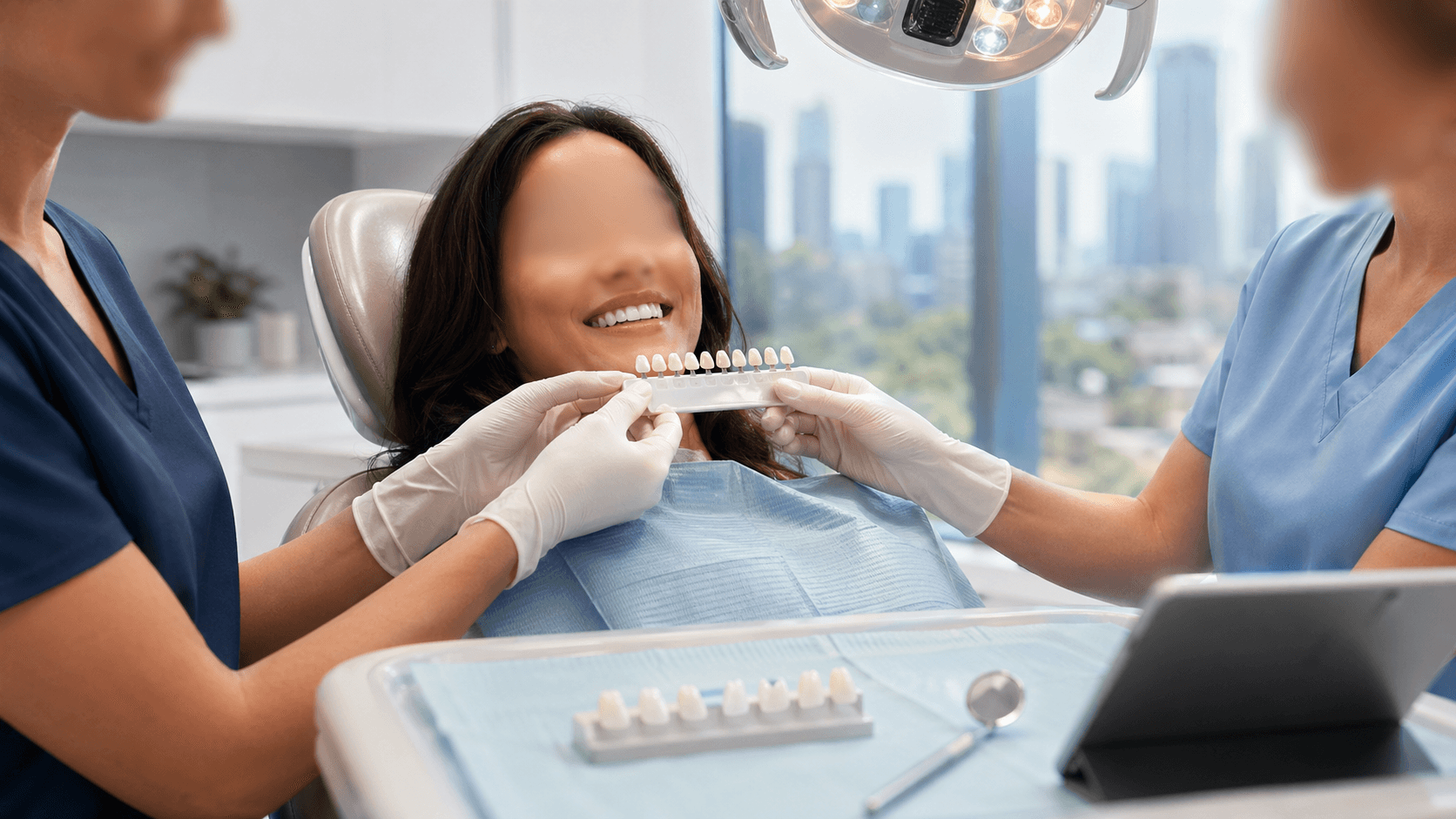
A lot of people want a smile that feels more even, brighter, or just more like the one they imagine when they look in the mirror. One common way to get closer to that goal is with veneers. These thin covers fit over the front of your teeth and can help fix things like staining, uneven shapes, or small gaps.
If you've been thinking about dental veneers in Houston, TX, you probably have questions about what kind to get, how they work, and when the best time to start might be. That’s what we’ll walk through here. Being informed can make decisions about your smile feel a lot easier and a lot less overwhelming.
Understanding What Veneers Are
Veneers are small covers that go over the front side of your teeth. They’re designed to blend in with your natural teeth, so only you and your dentist know they’re there. They can help with a wide range of concerns.
- Stained teeth that don’t respond well to whitening
- Chipped or worn-down edges from daily wear
- Spaces or uneven spots between teeth
- Teeth that are oddly shaped or don’t match the rest
Each veneer is made based on your teeth, your goals, and how your smile fits together. No two sets are exactly the same, which helps them look a lot more natural when they’re done right. Whether you want to fix one tooth or several, there’s always some level of custom work involved.
Palm Center Dental uses digital imaging to plan and custom-craft veneers, making sure the color, shape, and size blend naturally with the rest of your teeth for the most comfortable fit and appearance.
Different Types of Veneers to Know
There’s more than one choice when it comes to veneers, and they all have their own feel and function. The two most common types are porcelain and composite resin.
- Porcelain veneers: These are made from thin pieces of ceramic. They usually last longer and have a natural shine that looks a bit more like enamel. They can take more time to make, but many people like them for their strength and polished look.
- Composite veneers: These are made from a tooth-colored filling material. They’re often placed faster and can usually be shaped directly on your tooth. While they may not last as long as porcelain, they are easier to fix if something chips later.
The look, feel, and durability can depend on how you care for your teeth too. Some smiles do better with porcelain, especially if you want a big change across several teeth. Others might do fine with composite for a smaller update or if you're not quite ready to commit to more prep.
When considering the best pick, it's good to talk things through with your dentist. They can help weigh which type fits your smile goals, your habits, and how long you want your new look to last. It's normal to have questions since this process is about creating a result that matches your style and makes you feel good. Because each type serves a different need, knowing the basics can guide your decision.
What the Veneer Process Looks Like
The steps to getting veneers can be different for each person, but there’s a general path we follow to make things go smoothly.
- First, we talk through what you want. This includes your goals, how you feel about your current smile, and what kind of change you’re after.
- Then, we prep your teeth. Some veneer types need a little shaping, and others might go right on top. We’ll only remove what’s needed.
- Next comes the fitting. This is where we place the veneers and check the color, size, and shape. If something feels off, we adjust.
- Finally, we bond them in place. Once they’re set, we’ll go over how to care for them and what to expect.
It helps to keep communication open throughout the whole process. If something doesn’t feel comfortable or looks different than you imagined, that’s the time to speak up. Your input helps get the final result just right.
Palm Center Dental provides detailed previews and shade matching before final placement, so you can see your expected result and feel good about the fit before the veneers are permanently applied.
Lots of people worry that the process might be uncomfortable, but most steps involve only minor changes and can be done with care. Most of the time, getting used to the feel of veneers is quick, and you’re able to get back to your usual routine soon after. Dentists aim to make every phase as smooth and easy as possible, guiding you so you always know what's happening next.
Factors to Consider When Picking Your Veneers
The best type of veneer for you depends on more than just the material. Your smile is unique, and several things can shape the decision.
- Your natural tooth shape: Some people have flatter teeth, while others have rounder or longer ones. Veneers should match how your teeth naturally sit.
- Your smile goals: Are you fixing one chipped tooth or changing several? Big changes might point toward a different material.
- Your gum and tooth health: Healthy teeth and gums help veneers stay in place and feel better over time.
- Your style: Some people want movie-star bright. Others prefer a tone closer to what they already have. We can match or adjust the color depending on what feels right for you.
All of these details help make the decision less stressful. You don’t have to decide everything at once. Talking it through step by step makes it easier to feel confident in your choice.
Your lifestyle habits can also play a part in picking the right veneer. For example, if you often drink coffee or tea, or enjoy foods with strong color, your dentist might suggest a type of veneer that resists stains. If you play sports or grind your teeth, mentioning this helps tailor the plan so your veneers have the best chances for long-lasting results. Honest conversations support choices that fit your life, not just your smile.
Timing Your Treatment in Houston’s Winter Season
Starting veneers at the right time can make the process more relaxed. February tends to be a quieter month for many people with fewer school events or vacation plans. That extra space on the calendar gives you more time to plan and rest between appointments.
Houston’s winters are pretty mild compared to a lot of other places. That makes it easier to move between appointments, avoid weather-related delays, and even feel more comfortable during the short healing period. Cold air doesn’t usually cause problems here like it might in colder states, and that’s helpful when your mouth needs a few days to adjust to new material.
If you begin this kind of treatment now, you’re likely to be done and fully healed before things pick up for spring break or end-of-school season. It’s one less thing to juggle, and your smile is ready in time for the next chapter.
Planning ahead by taking your personal schedule into account allows you to move through the process at your own pace. Dentists are happy to work around your needs, so you won’t feel rushed. Starting when life is a little less busy means you can focus on each part of your transformation and enjoy more flexibility as you heal and adjust.
A Smile That Feels Right for You
Choosing veneers is personal. It’s not just about looks but about what feels good and fits with the way you carry yourself every day. Whether you’re fixing a chipped tooth or refreshing your whole smile, having a clear plan makes the process smoother and less stressful.
Understanding what types of veneers are out there, how they’re shaped for each person, and when to start can help things go more smoothly from the very first visit. When everything aligns, veneers can stop being just a cosmetic fix and start feeling like the smile you were always meant to have.
Ready for a smile that truly reflects you? We’re here to guide you through every step, from choosing the ideal material to understanding what happens during placement, so you can feel confident about your decision. We’re proud to offer personalized care for anyone considering dental veneers in Houston, TX, with options designed around your goals and comfort. At Palm Center Dental, your smile matters, and we’re excited to help it shine, reach out today to get started.