What That New Crown Pain Is Really Telling You
Pain after a new dental crown can be confusing. Is it normal healing or a sign that something is wrong with your tooth? When your mouth hurts, it is hard to enjoy your day, focus at work, or relax with family.
A dental crown is a custom cap that covers a damaged or weakened tooth. Many people need crowns because of deep decay, large fillings, cracks, or to improve how a tooth looks. A little soreness after treatment is common, but strong, sharp, or lingering pain is not something to ignore.
In this guide, we will explain what normal pain feels like, when it becomes a red flag, and why the timeline matters. Mid-summer in Houston is busy, with kids getting ready for school, vacations, and lots of photos and social events. Getting crown pain checked now can help you enjoy the rest of the season without that constant ache in the back of your mind.
Normal Discomfort After a New Dental Crown
Right after your crown visit, your mouth has been through a lot. It is normal to feel:
- Soreness where the numbing injection was given
- Mild gum tenderness around the new crown
- Sensitivity to hot and cold
- A slightly strange or "off" feeling when you bite
That odd bite feeling usually settles as your jaw muscles and brain get used to the new shape of the tooth. The key is that things should get a little better each day, not worse.
Here is a general healing timeline many people experience:
- First 24 to 48 hours: Mild throbbing or pressure around the tooth, which usually responds well to over-the-counter pain relievers taken as directed.
- Days 3 to 7: Noticeable improvement, with most pain fading. You may still feel sensitivity when chewing or sipping very hot or cold drinks.
- One to two weeks: Most discomfort is gone. You might feel an occasional quick twinge, but it does not last or interfere with normal eating.
To help normal recovery feel smoother, you can:
- Eat softer foods, like yogurt, eggs, pasta, or rice
- Chew on the opposite side of your mouth at first
- Rinse gently with lukewarm saltwater to soothe the gums
- Avoid very hot or very cold foods and drinks for a few days
- Use a dentist-recommended toothpaste for sensitive teeth
Consistent improvement is the big sign that things are on track. Dental offices often plan follow-up checks for new crowns to make sure the bite feels right and the tissue around the tooth is healing well.
Warning Signs Your Crown Pain Is Not Normal
Not all pain is normal healing. Some types of discomfort are a warning that your tooth or crown needs attention as soon as possible.
Red flags to watch for include:
- Sharp or stabbing pain when you bite down
- Pain that wakes you up at night or makes it hard to sleep
- Swelling in your face or gums near the crowned tooth
- Pus, a bad taste, or bad odor from the area
- Sensitivity that gets worse instead of better over several days
These symptoms can have different causes, such as:
- A bite that is too high, so the crowned tooth hits before the others and takes too much pressure
- Remaining decay or a crack deep in the tooth, close to the nerve
- Infection or an abscess in the tooth or surrounding gum tissue
- An allergic or inflammatory reaction to the crown material, which is rare but possible
If pain gets stronger after three to five days, instead of easing up, that is not typical. If your tooth still hurts a lot after two weeks, that also is a sign that something is not right. Often, a simple bite adjustment, medication, or further treatment like root canal therapy can calm things down and protect the tooth, especially when the problem is found early.
When Tooth Crown Replacement in Houston, TX Is the Best Fix
Sometimes, adjusting the bite or treating the nerve is not enough. In those cases, tooth crown replacement in Houston, TX may be the best long-term answer.
You might need a new crown if:
- The crown never felt like it fit correctly from the start
- The crown feels loose, wobbly, or moves when you chew
- The edges of the crown expose too much tooth, causing ongoing sensitivity
- The crown is cracked or chipped, affecting how it looks or how your teeth meet
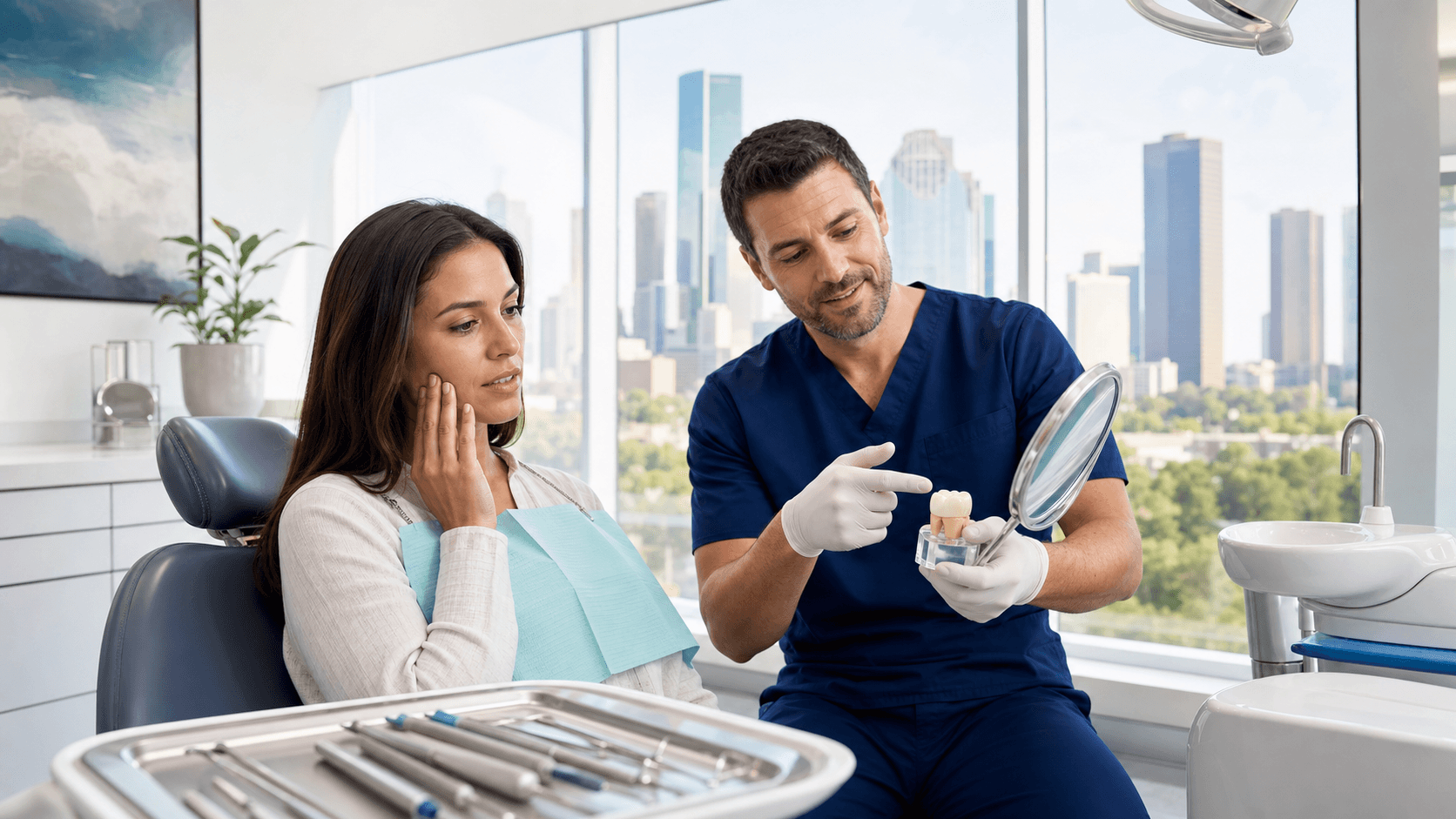
When a crown is causing trouble, a dentist will usually:
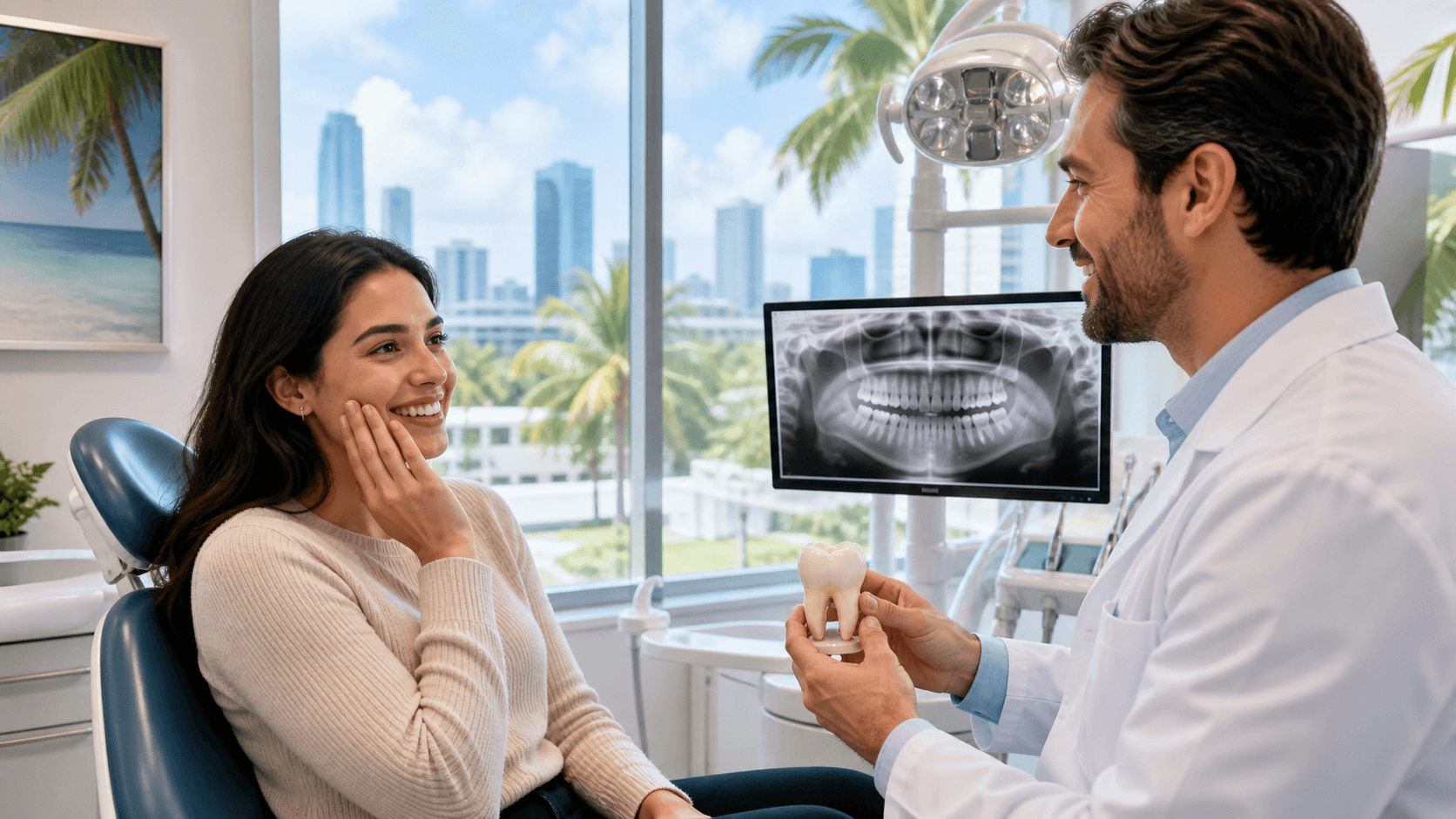
- Take digital X-rays to check the tooth, roots, and bone
- Look closely at how your teeth come together when you bite and chew
- Check the health of the gums around the crown
- Review your dental history and symptoms to decide if the bite needs adjusting, the nerve needs treatment, or the crown should be replaced
Modern crown materials include porcelain, zirconia, and other tooth-colored options that blend well with your natural smile while still being strong enough for daily chewing. Replacing a problem crown can improve comfort, protect the tooth for the long term, and refresh your smile before fall events, school functions, and end-of-year gatherings start to fill your calendar.
At-Home Relief Tips Before You Call Your Dentist
If you cannot see a dentist right away, there are a few safe steps you can take to feel more comfortable in the short term.
Helpful options include:
- Over-the-counter pain relievers, used only as the label or your doctor directs
- A cold compress on the cheek for short periods to reduce swelling and dull the ache
- Avoiding tough, sticky, crunchy, or very hot- and cold foods that trigger pain
- Chewing on the opposite side of your mouth for now
It also helps to watch your habits. Try not to grind or clench your teeth, something many people do more when they are stressed, traveling, or off their usual routine during summer. Do not use your teeth to open packages or bite hard items like ice or pens.
Just as important is what you should not do:
- Do not try to file or adjust the crown yourself at home
- Do not ignore visible swelling, fever, or spreading pain
- Do not depend on painkillers for more than a couple of days without getting professional advice
Keeping simple notes can help too. Write down when the pain starts, what makes it better or worse, and where exactly you feel it. Sharing these details with your Houston dentist can make it easier to find the cause and choose the right solution.
Your Next Step to a Pain-Free, Confident Smile in Houston
Mild discomfort after a new crown, especially in the first week, is normally part of the healing process. The most important sign is steady improvement. Worsening, sharp, or lingering pain is not normal and should be checked so the tooth does not suffer more damage.
Summer schedules fill up fast with trips, camps, and back-to-school tasks, and tooth pain has a way of showing up at the worst time. Taking care of crown pain now can help you enjoy the season with a more comfortable, confident smile. If it has been a while since your last checkup, a visit with Palm Center Dental can also help catch early crown issues, protect your teeth, and keep your smile ready for every photo and event ahead.
Restore Your Confident Smile With Long-Lasting Crown Solutions
If you are noticing discomfort, cracks, or worn edges on your existing crown, now is the right time to explore tooth crown replacement in Houston, TX. At Palm Center Dental, we carefully evaluate your bite, aesthetics, and long-term oral health to recommend the most suitable crown materials and treatment plan. We invite you to contact us so we can schedule a visit and help you protect your tooth before problems become more complex.