Why Houston Weather Can Make Teeth More Sensitive
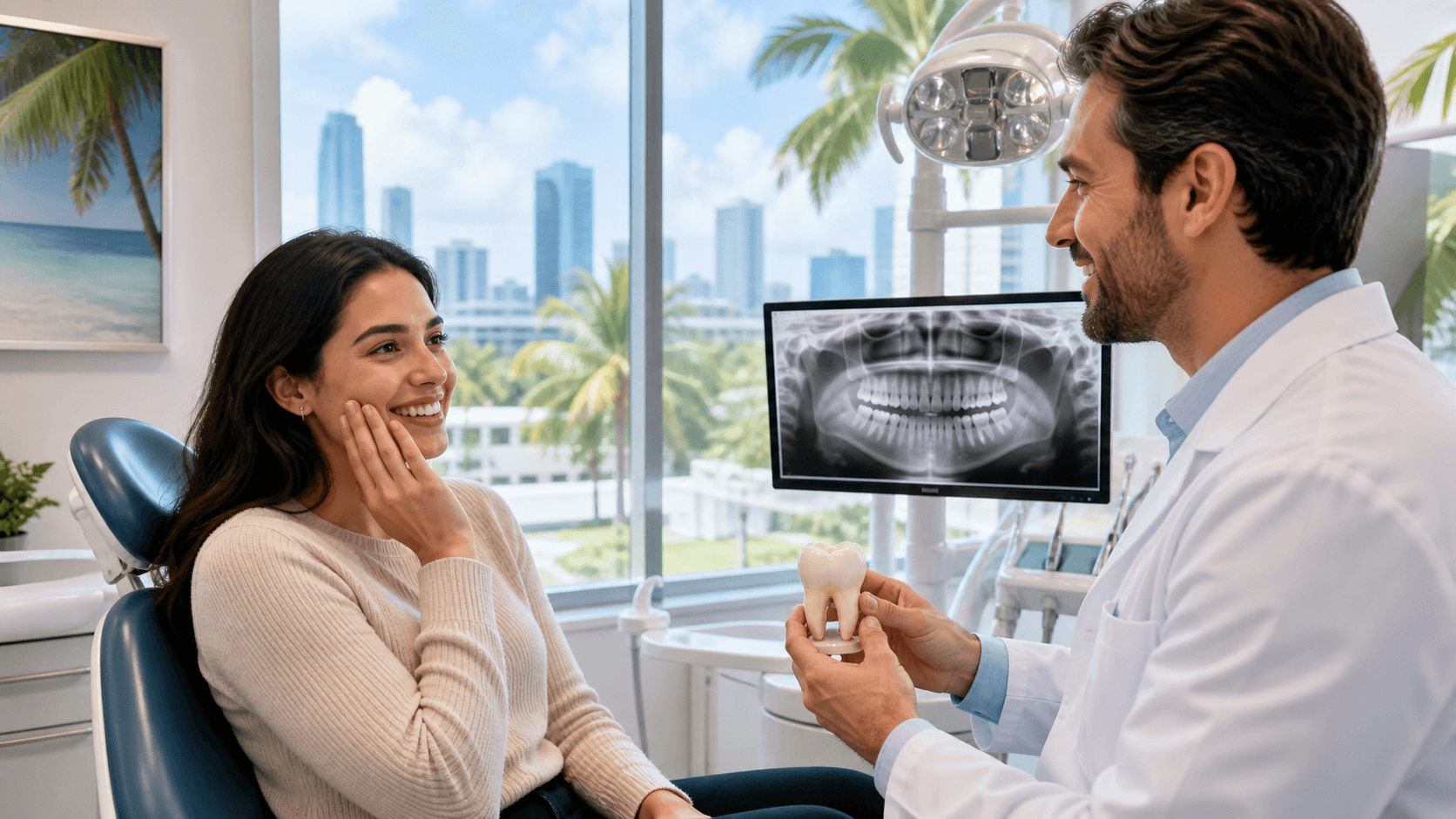
Seasonal tooth sensitivity is very real, especially in a city like Houston. As our routines change with school starting up again, football season, and more time outdoors, you may notice that certain teeth give you a little "zing" when you drink something cold or breathe through your mouth. That sharp twinge is your tooth reacting to temperature, pressure, or both.
Teeth with worn enamel, exposed dentin, or older dental work can react more strongly to hot and cold drinks or even to air from talking and laughing. Some people feel it only once in a while, but for others the sensitivity starts to linger. When that happens, it is a sign that the tooth might be weak or damaged, not just a bit "touchy."
At that point, a well-made dental crown in Houston, TX, can sometimes be the answer. A crown can protect a tooth that is past the point of help from sensitive toothpaste alone and give it strength and comfort again.
Seasonal tooth sensitivity: What is really going on
Temperature changes can affect teeth because teeth are not solid rock. They are living structures with nerves, blood supply, and tiny pores. When things get hot, tooth material can expand a little. When things cool down, it can contract. If you have:
- Thin or cracked enamel
- Old fillings
- Gum recession
- Exposed root surfaces
those small changes can irritate the tooth's nerve.
In our part of Texas, people tend to enjoy a lot of iced drinks, cold treats, and air conditioning. That back and forth between cooler air and warm outdoor air, plus hot coffee or ice water, means your teeth get hit with many different temperatures every day.
That "zing" you feel usually comes from the dentin layer under the enamel. Dentin has tiny tubes that run toward the nerve inside the tooth. These tubes can get triggered by:
- Acidic foods and drinks, like citrus and soda
- Teeth grinding, especially at night
- Brushing too hard or with a stiff brush
- Gums pulling away and exposing root surfaces
Large fillings or older dental work can also start to react more as time goes on. Materials wear down, tiny gaps can form, and temperature changes find their way to the nerve that used to be better protected.
Sometimes sensitivity is just a quick twinge that comes and goes. But if that sharp feeling lingers, or if it starts to hurt with sweets or light pressure, it may be more than a minor annoyance. It can be a sign of:
- Tooth decay under a filling
- A crack running through the tooth
- Nerve irritation or inflammation
A professional exam can tell the difference between normal seasonal sensitivity and a tooth that needs real repair.
Signs Your Tooth Needs More Than Sensitive Toothpaste
A little sensitivity once in a while is common. But there are some red flags that should not be ignored, such as:
- Sensitivity that does not improve after a few weeks of using sensitive toothpaste
- Pain when biting down on something chewy or crunchy
- Discomfort that wakes you up at night
- A tooth that looks darker or more yellow than its neighbors
- Visible chips, cracks, or rough edges
When you come in for an exam, we look beyond the surface. To figure out what is really going on, we may:
- Take digital X-rays to check for deep decay or issues under fillings
- Do bite tests to see if a certain cusp or part of the tooth is cracked
- Use a cold or air test to see how the nerve responds
- Carefully check your existing fillings, crowns, and bite alignment
We always want to know the exact cause before we suggest a dental crown in Houston, TX or any other treatment. A crown is a strong option, but it needs to be the right match for the problem.
Waiting too long can let a small crack spread, or allow decay to reach the nerve. A tooth that could have been saved with a crown might end up needing a root canal or even an extraction if it is put off. With back-to-school activities, sports, and holiday plans, a sudden toothache can throw off the whole family's schedule.
How a Dental Crown Protects Sensitive Teeth
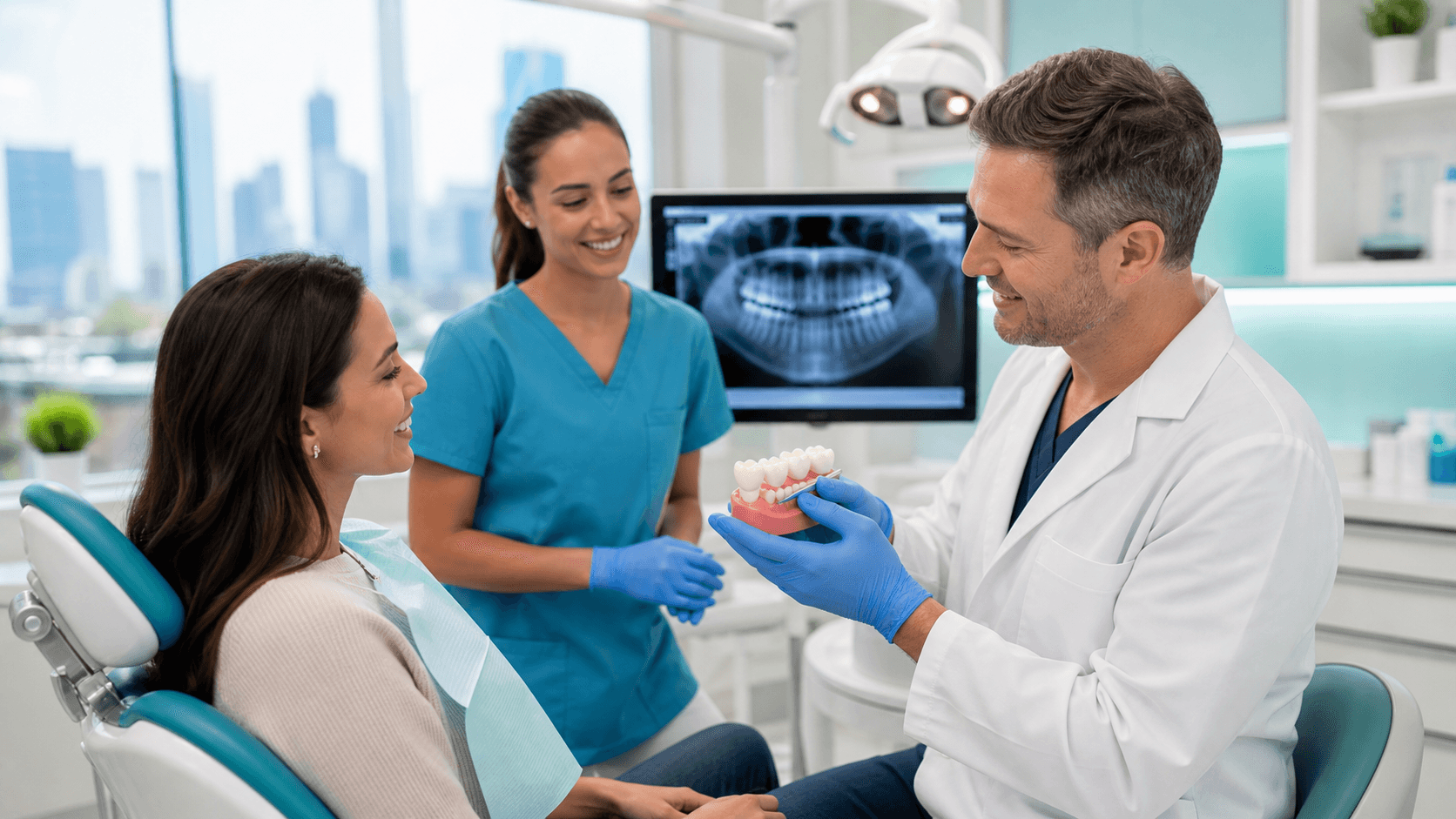
A dental crown is a custom-made cap that covers the visible part of the tooth above the gumline. Think of it like a protective helmet for a tooth that has been damaged, worn down, or weakened by decay.
A crown:
- Wraps the tooth in a strong material, often porcelain or ceramic
- Seals out hot and cold liquids and air
- Spreads out biting pressure across the whole tooth
- Protects what is left of the natural tooth from further wear
We often recommend a dental crown in Houston, TX when:
- There are large fractures or cracks in the tooth
- A tooth has deep decay, especially after a root canal
- A tooth has a big filling that keeps breaking or leaking
- Teeth are worn down from grinding or clenching
In these cases, there is usually enough healthy tooth to save, but not enough structure to hold a regular filling. A crown gives that tooth a second chance.
Modern crowns are designed to look and feel like your natural teeth. Materials like porcelain and ceramic can be shaded to blend with your smile. Newer techniques help us create very precise fits so the crown feels comfortable when you bite and chew, and the restoration can last for many years with good care.
What to Expect When Getting a Crown at Palm Center Dental
If you need a crown, knowing what will happen can make the whole process feel easier. A typical crown visit goes something like this:
- First, we examine the tooth, talk about your symptoms, and take any needed X-rays
- We gently numb the area so you stay comfortable
- The tooth is shaped so the crown can fit over it properly
- We take an impression or scan so the lab can make your custom crown
- You leave with a temporary crown that protects the tooth while the final crown is made
When your permanent crown is ready, you come back for a shorter visit. We remove the temporary crown, try in the new one, check the color and fit, and make small adjustments so your bite feels right. Then we cement the crown in place.
We know many people feel nervous about dental work. At Palm Center Dental, we focus on a calm, family-friendly atmosphere. We talk you through each step, check on you often, and offer simple comfort options to help you relax.
After your visit, you get clear instructions on how to care for your temporary and then your final crown. Some mild soreness or sensitivity when chewing is normal at first, but strong or lingering pain is not, and we always want you to let us know if something feels off.
A well-fitted crown can greatly reduce or even stop sensitivity in that tooth. It can also help balance your bite, which protects other teeth from extra stress. Regular cleanings and checkups with our team help keep both your crown and your natural teeth in good shape as seasons, routines, and daily habits change.
Restore Your Smile Comfortably and Confidently
If you are ready to address a damaged or worn tooth, we can help you find out whether a dental crown in Houston, TX is the right solution. At Palm Center Dental, we take time to explain your options so you feel informed and at ease every step of the way. To schedule an appointment or ask questions about treatment, simply contact us and our team will follow up promptly.