Losing a tooth can change more than just how your smile looks. It can affect the way you eat, speak, and even how confident you feel in everyday life. That’s where dental implants come in. They take the place of missing teeth in a way that looks and feels natural.
If you’re thinking about long-lasting options, a dental implant dentist in Houston, TX may be the right person to talk to. Implants are a steady fix that help support your whole mouth, not just fill a gap. Understanding when to see someone who does this kind of work can save you time, pain, and extra visits down the road.
A lost tooth might not seem urgent if you’re not in pain, but ignoring it can quietly lead to bigger changes throughout your mouth. Over time, simple daily habits can become harder, and you may start to notice subtle shifts in how your teeth fit together or how easy it is to enjoy your food. Dental implants are designed to give you back that sense of ease and help restore normal function. Thinking about this kind of care sooner instead of later can help you avoid more complicated or costly procedures down the line, while also preserving your natural appearance.
What Makes Dental Implants Different from Other Options
There are a few ways to fill the space when a tooth goes missing. Dentures and dental bridges are common options. They sit on top of the gums or hook onto nearby teeth to stay in place. But dental implants do something those other choices can’t.
- Implants are placed directly into the jawbone, acting like replacement roots
- Once healed, they hold a crown that looks like a real tooth
- They don’t shift when you eat or talk
- They don’t rely on support from other teeth
This extra support from the jaw helps keep the bone strong and healthy. When a tooth is missing, that area of bone can begin to wear down slowly. Implants help prevent that loss from happening. That’s a big reason many people choose them when they want something that will last and feel secure.
Palm Center Dental in Houston provides dental implants using digital imaging, custom crowns, and modern techniques for long-term stability. Dr. Ayomide Ogunye evaluates each case and recommends the best path forward, ensuring your implant fits well and looks natural. Sedation options are available to make the process low-stress for anxious patients.
Traditional bridges and partial dentures have been around for years, and while they can replace missing teeth in certain situations, they don't address the underlying changes that happen when the jawbone doesn’t have a root to support. Implants can offer a more permanent solution for people who want to maintain a stable bite, preserve facial structure, and enjoy simple pleasures like eating crisp foods or speaking clearly. Longevity and confidence are among the key reasons people consider this path.
Signs It Might Be Time to Think About Implants
Some signs are easy to overlook until they get worse. A gap in your smile can seem like a minor thing, especially if it doesn't hurt. But missing teeth usually bring other problems along quietly.
- You're avoiding chewing on one side
- Teeth near a missing one start to shift
- You feel self-conscious when smiling
- The space causes food to trap or gum irritation
- Dentures feel loose or uncomfortable
Over time, nearby teeth can begin to lean into gaps. That changes your bite and may lead to jaw soreness or uneven wear. If you notice any of these changes, a conversation with someone who focuses on implants can help. They’ll check whether your gums and bone are ready for this kind of care and walk you through any concerns.
Even minor changes in your bite or gum comfort can be signs that further complications may follow. Small shifts sometimes lead to extra strain on other teeth, and the longer these go unaddressed, the greater the risk of needing more extensive repair. Being aware of seemingly small daily annoyances, like certain foods becoming difficult to eat or noticing little awkward changes when brushing, means you’re paying attention to the health of your mouth. An early conversation with an implant specialist can open up a clearer path forward and protect your overall dental wellness.
Why Seeing a Specialist Matters
This kind of treatment isn’t one-size-fits-all. It involves taking X-rays, planning the placement, and sometimes managing other issues first. A dental implant dentist in Houston, TX brings a mix of special tools and hands-on experience that can make each part go more smoothly.
When someone has done this work regularly, they know how to spot small details that matter. They can talk with you about the shape of your jawbone, gum health, and anything that could affect the outcome. It makes the process feel less overwhelming when every piece is explained step by step.
Seeing someone nearby can also make check-ins and follow-up visits easier to manage. That’s especially helpful over winter when health routines often get interrupted or delayed. Having someone local can give you peace of mind, even after the main work is done.
Experience is important because no two smiles are identical. A specialist will understand if supporting treatments, like gum care or bone support, are needed first. Step-by-step planning helps ensure your experience is smooth and successful. Local dental implant providers often coordinate care more closely, making the entire process more manageable from start to finish and giving you extra confidence along the way.
What to Expect From Your Implant Visit
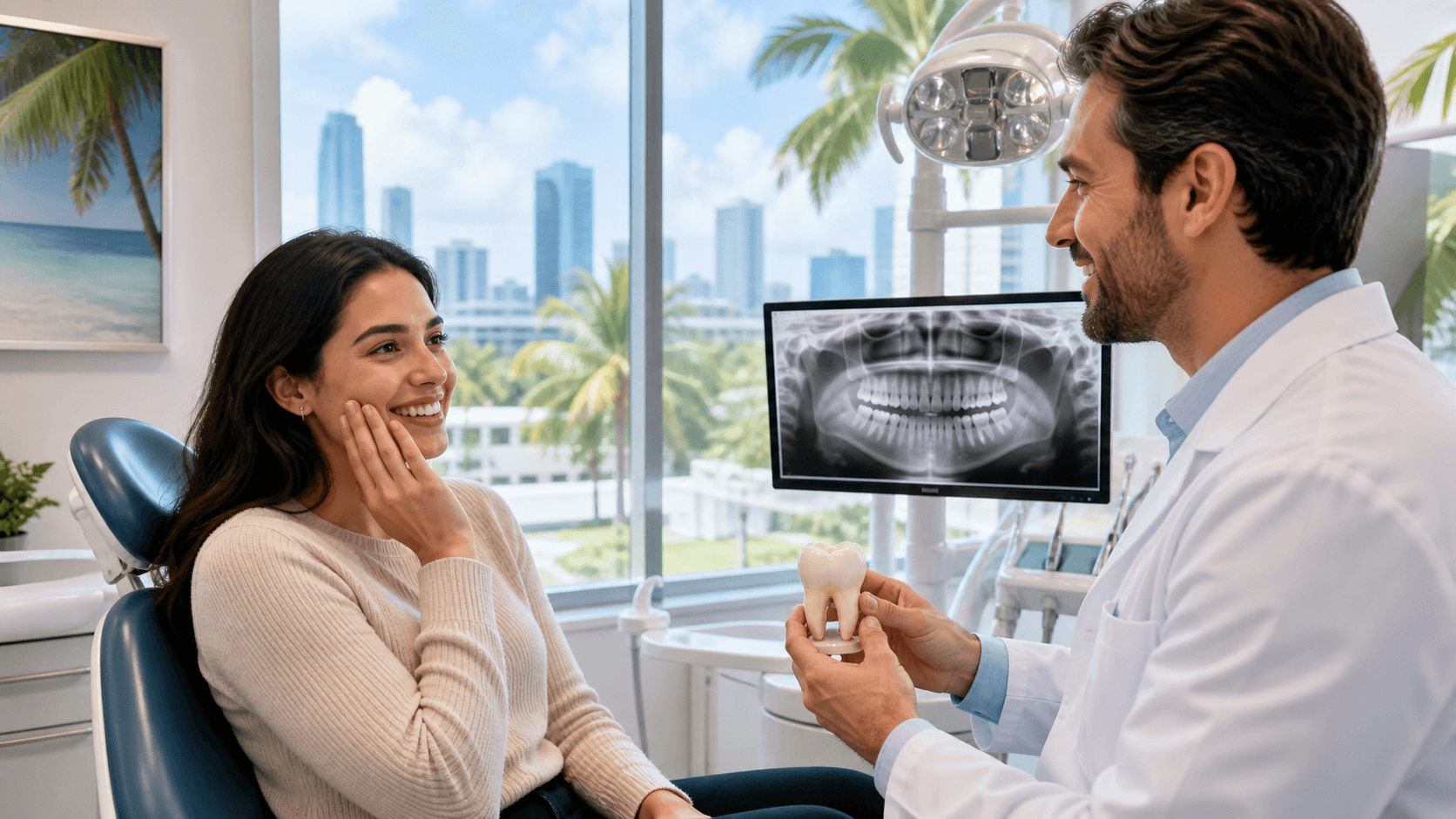
When you're getting started, it's normal to have questions. The first visit is about finding out what's going on and making a plan that fits you. It usually includes an exam, some imaging like X-rays, and a talk through your options.
The implant process itself often happens in stages. That gives your mouth time to heal and adjust before the next step. Some people are surprised how manageable it is. Every mouth is different, and most visits focus on comfort and moving at a pace that keeps you at ease along the way.
If you feel nervous about dental care in general, it’s okay to speak up. Letting someone know your worries makes it easier for them to guide you through it without rushing or missing anything important.
From the beginning, the focus is on communication and understanding your particular needs. At each stage, your comfort and readiness for the next step shape the pace of your care. Gentle explanations during each phase, reassurance if anesthesia or sedation is needed, and clear aftercare instructions all make a difference. Taking the time to ask questions helps you feel prepared and in control of your dental health journey.
Healthy Smiles Start with the Right Support
Taking care of a missing tooth isn’t just about how things look, it’s about protecting your bite and the bone underneath. Even one lost tooth can lead to small shifts that are hard to fix later. Getting help early helps you avoid those issues.
Deciding to move forward with implants might feel like a big step. It’s one many people take after looking at the benefits closely. When you understand what to expect and you’re working with someone who helps you feel safe, the process becomes a lot easier to face. Slower months like early winter can actually be a great time to start, while schedules are more flexible and routines are changing. Making time now can leave you feeling stronger and more at ease in the year ahead.
Building a relationship with a dental implant provider goes beyond just the initial procedure. Your dentist will be there for future check-ins, minor adjustments, and to answer your questions along the way. When you invest in the right support early, you get more than a replacement tooth; you get the reassurance that your smile, confidence, and daily comfort are protected.
When you're noticing changes in your bite or a gap that's started to bother you, it might be time to talk with someone who can help you feel confident again. A personalized exam can show whether your mouth is ready for an implant or if more steps are needed first. Meeting with a trusted local expert can take the guesswork out of next steps and make the process feel less stressful. Learn how a dental implant dentist in Houston, TX can support your long-term dental health. Call Palm Center Dental to get started.